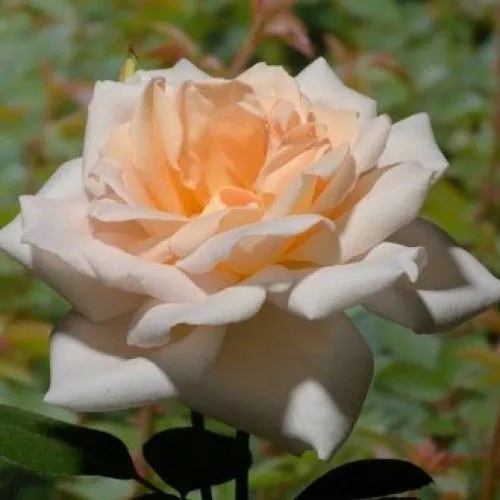
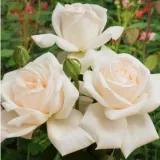
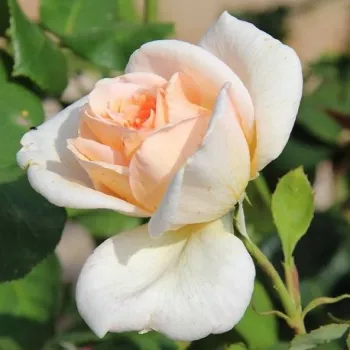
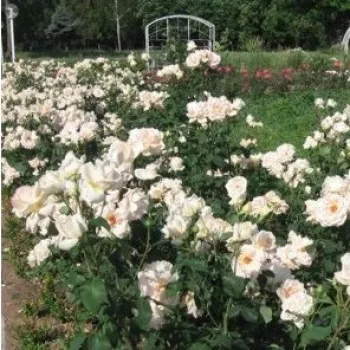
GRAND MOGUL – cream-white tea-hybrid rose – Delbard-Chabert
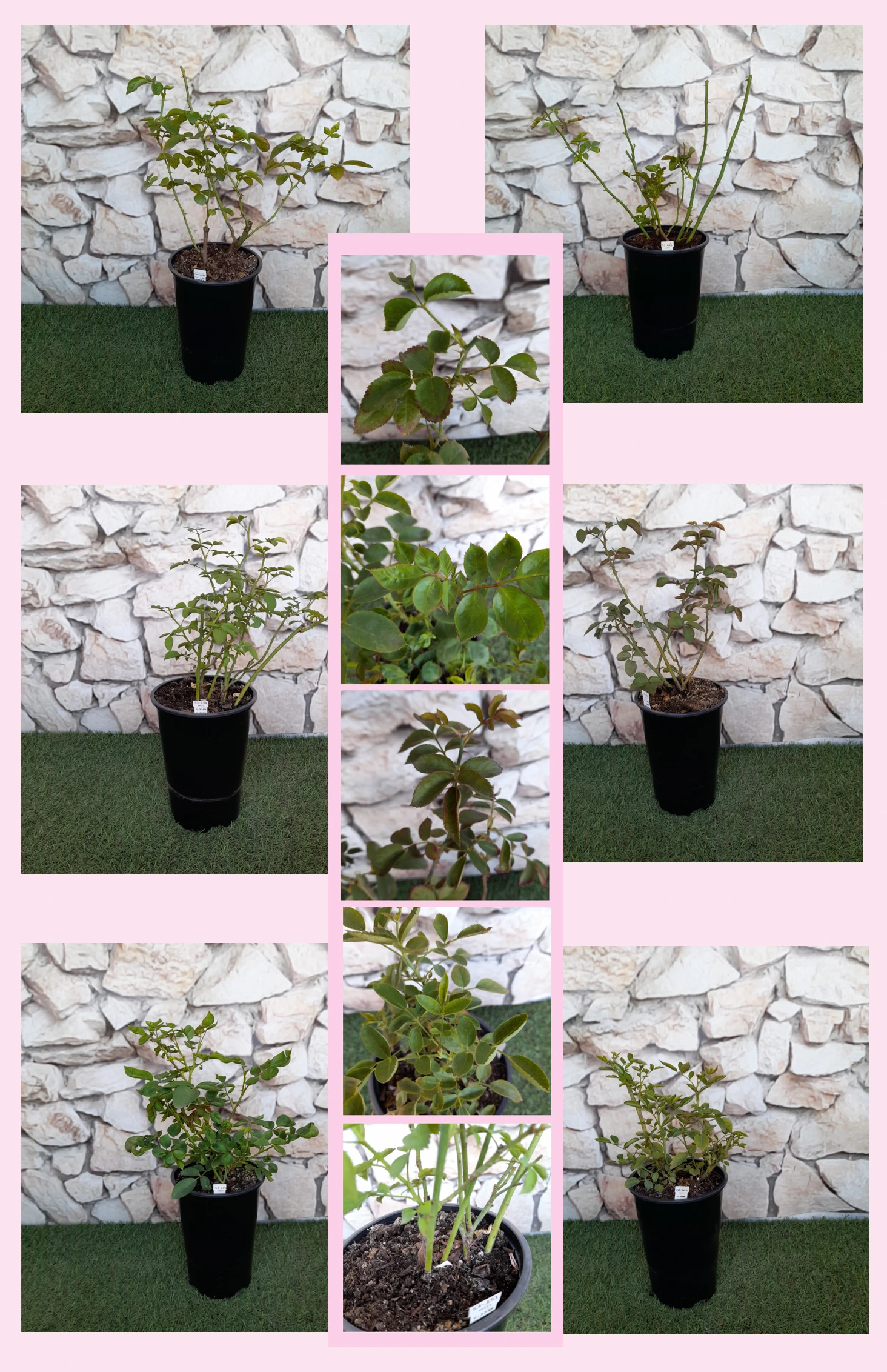
Step onto your front path after rain and let GRAND MOGUL wrap you in classic hybrid tea elegance, with creamy, high-centred blooms that bring a quiet sense of balance to compact London gardens. Bred for upright structure and medium maintenance, it fits easily into busy lives: simple pruning, a sunny spot and regular deadheading keep it performing reliably from year to year. Own-root plants give reassuring longevity, regenerating from the base for lasting ornamental value even if a stem is damaged, while the 2-litre container size offers quick, neat establishment in small front borders or large pots. In typical British conditions it responds well to good drainage on heavier soils and copes steadily with humid, disease-prone summers, easing your care routine. Within three seasons you see the full development: first strong roots, then confident shoots, then a settled, mature display that rewards considered planting choices and supports a more sustainable, low-input garden rhythm.
Usage options
| Target area | Reasoning |
|---|
| Front garden focal point |
The high-centred, exhibition-type blooms sit on upright stems, giving a smart, formal look that instantly lifts a terraced-house front bed. Planted near the entrance, it offers a calm, elegant welcome with flowers at eye level for homeowners. |
| Cutting for the house |
Medium-sized, double blooms on long, straight stems and a classic rose fragrance make this hybrid tea ideal for cutting, providing vasefuls of creamy flowers from summer into autumn for hobby-gardeners. |
| Long-term feature in mixed border |
As an own-root rose it forms a durable framework that can regenerate from the base, supporting a long planting life with stable height and structure in mixed borders for long-term-planners. |
| Low-input, tidy appearance |
Moderately dense, glossy foliage and generally healthy growth help the plant stay presentable with modest care, suiting smaller gardens where you prefer less spraying and simplified routines for busy-owners. |
| Sunny, rainwater-managed bed |
Performs best in full sun with reasonable drainage, working well in beds where you direct rainwater away from paths yet still need a rose that copes with our humid, fungus-prone summers for urban-gardeners. |
| Container on patio or balcony |
Its upright habit and moderate spread allow planting in a generous 40–50 litre container, creating a vertical accent of ivory blooms that leaves floor space free in compact outdoor sitting areas for balcony-owners. |
| Structured rose hedge or row |
Regular spacing at around 50–55 cm creates a refined, linear effect, with each plant contributing upright shoots and repeat flushes of bloom, ideal for edging paths or defining a front boundary for design-conscious. |
| Colour-constant, calm scheme |
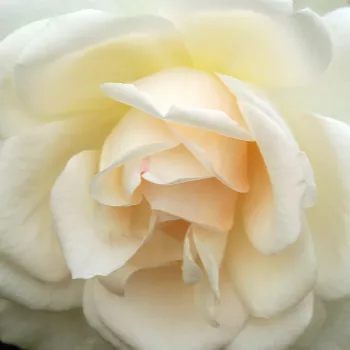
The soft, cream-white flowers with gentle buttery tones age to near white, keeping the palette restrained and harmonious so you can easily partner it with lavender, nepeta or heuchera in serene schemes for colour-sensitive. |
Styling ideas
- Terrace-Entrance – Line a short front path with GRAND MOGUL and soft mounds of Alchemilla mollis for lime-green froth under cream roses – ideal for urban homeowners wanting a smart but gentle welcome.
- Ivory-Border – Combine with dwarf coral bells and low, silver-leaved perennials to create a restrained, textural scheme where the rose provides upright blooms – suited to small family gardens seeking calm structure.
- Cutting-Corner – Plant in a sunny back-garden corner with gypsophila and nepeta so you have airy fillers and fragrant stems to cut together – perfect for beginners experimenting with home-grown bouquets.
- Container-Focus – Use a single plant in a 50-litre pot flanked by herbs such as sage and lavender to frame a seating area – good for balcony and patio spaces that need one strong vertical feature.
- Evening-Path – Set along a garden path with low solar lighting, where the pale blooms catch dusk light and glossy foliage adds depth – attractive for busy city dwellers enjoying the garden after work.
Technical cultivar profile
| Property | Data |
|---|
| Name and registration |
Hybrid tea rose for garden and cutting use, marketed as GRAND MOGUL – cream-white tea-hybrid rose – Delbard-Chabert; ARS exhibition name Grand Mogul; part of the hybrid tea group. |
| Origin and breeding |
Bred by André Delbard-Chabert in France from ‘Sultane’ × ‘Chic Parisien’; introduced by Georges Delbard SA around 1965, reflecting classic French hybrid tea breeding lines. |
| Growth and structural characteristics |
Upright hybrid tea with moderately dense, mid-green glossy foliage; height about 100–140 cm, spread 65–95 cm, forming a vertical, well-defined shrub of medium vigour and moderate prickliness. |
| Flower morphology |
Medium-sized, double, high-centred blooms with 26–39 petals on mostly solitary stems; pointed buds of the classic cut-rose type, remontant with a generous second flush in suitable conditions. |
| Colour data and phenology |
Cream-white base infused with buttery-yellow tones, ARS code w, RHS 155D and 4D; buds open warm and gradually fade to near white with a light greenish tinge at the petal edges. |
| Fragrance and aroma |
Medium-strength, classic rose scent, noticeable on still days and at close range, adding a traditional hybrid tea perfume to garden paths and to cut stems used indoors in vases. |
| Hip characteristics |
Rose-hip formation is generally sparse due to the fully double flowers; when present, hips are small, spherical, orange-red and around 8–12 mm in diameter, with limited ornamental impact. |
| Resistance and winter hardiness |
Hardy to about −21 to −18 °C (RHS H7; Swedish zone 3; USDA 6b); good resistance to powdery mildew and black spot, moderate susceptibility to rust, coping well in typical UK climates. |
| Horticultural recommendations |
Best in full sun with well-drained soil; space 50–90 cm depending on use. Maintain by occasional feeding, watering in drought, and deadheading; suits beds, specimens, hedging and cutting. |
GRAND MOGUL offers elegant cut-quality blooms, reliable repeat flowering and long-lived own-root resilience, making it a thoughtful choice for gardeners seeking a refined yet practical rose to enjoy over many seasons.