HENRIETTA – yellow-red hybrid tea rose - McGredy
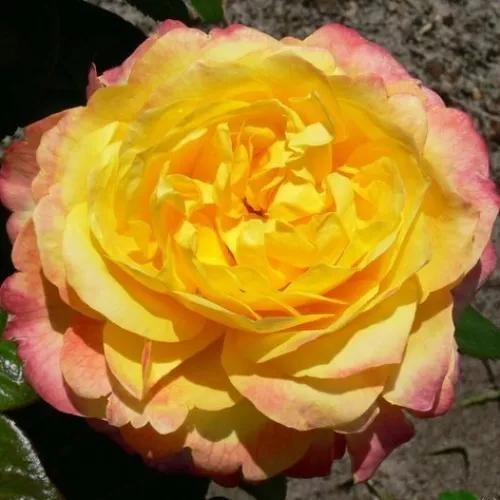
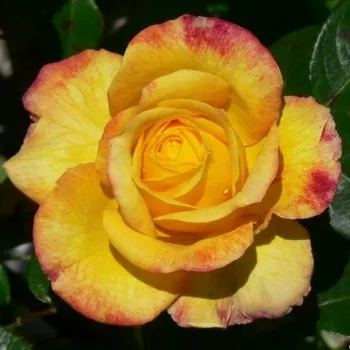
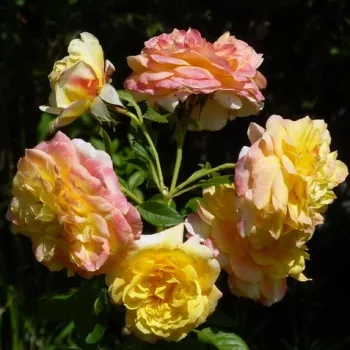
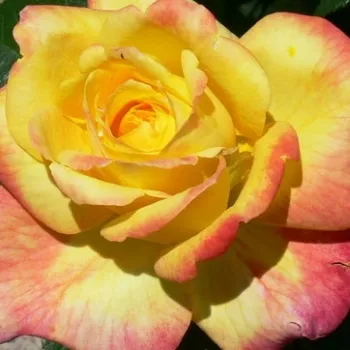
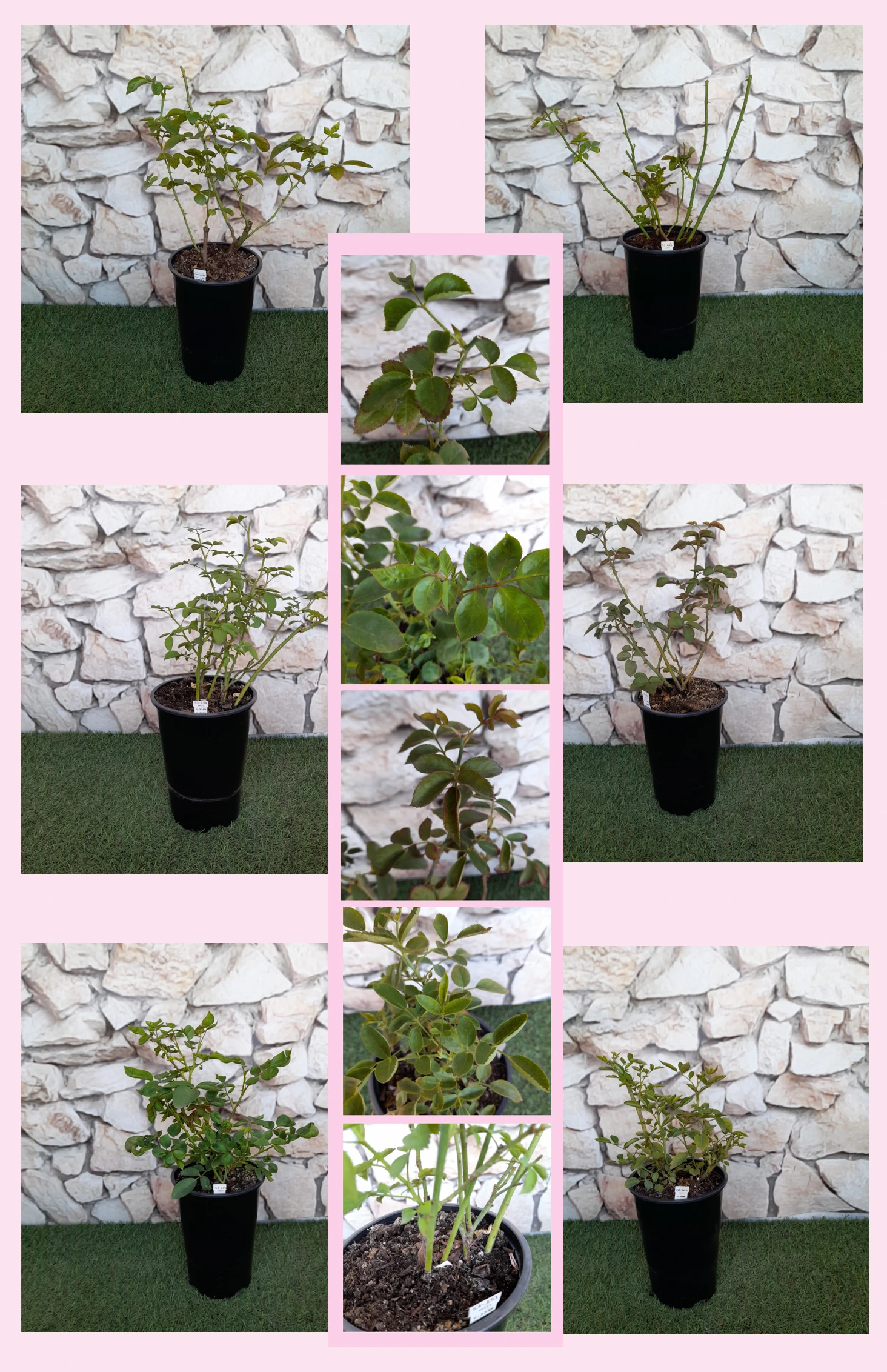
Step through the front gate after rain and meet Henrietta glowing against damp brickwork: tall, upright stems carrying classically shaped blooms that open from ruby-and-gold buds into bi-colour flowers, shifting through shades of ochre, scarlet and soft salmon as they age. Bred for exhibition-quality form yet easy in the average family garden, this own-root rose offers reassuring resilience and a long working life, even where wind and wet weather test plants in small, exposed plots. Season-long flowering on dense, dark foliage gives structure and colour with minimal effort, while peat-free compost and careful watering help it settle quickly into London-style front gardens and rainwater-conscious spaces. In its first year it builds roots, the second year brings strong new shoots, and by the third it reaches full ornamental value as a tall, elegant screen in your urban oasis.
Usage options
| Target area | Reasoning |
|---|
| Front garden focal point |
Perfect as a statement rose by a path or doorway, its tall, upright habit and exhibition-style blooms give instant “wow” without complicated pruning, suiting busy homeowners and beginners who want impact with limited gardening time for the urban gardener |
| Season-long flower bed colour |
Repeat-flowering from early summer into autumn, it maintains a steady display of large, double blooms, so even a small mixed border looks cared for between school runs and work, ideal if you prefer reliable structure over intensive bedding changes as a time-poor owner |
| Low-fuss, long-lived planting |
As an own-root rose it regenerates well from the base, avoiding graft failure and helping the plant age gracefully, offering stable ornamental value so you can plant once and enjoy it for many years with only light annual care as a long-term planner |
| Clay and chalk garden solution |
Well-suited to typical UK conditions when planted with added grit and organic matter, it copes with heavier soils and ordinary rain exposure, supporting sustainable front gardens that manage wet spells rather than relying on thirsty lawns for the climate-conscious buyer |
| Weather-tolerant structure in exposed spots |
Dense, glossy foliage and a sturdy, upright frame stand up well in breezier, rain-lashed sites, so the plant keeps its shape and presence even in coastal-influenced or corner-plot gardens where wind and wet could otherwise spoil more delicate roses for the practical homeowner |
| Cut flowers from your own garden |
High-centred, pointed buds on long, straight stems make excellent home-cut flowers; bringing a few indoors never leaves the plant bare thanks to its repeat blooming, ideal for those who enjoy home-grown arrangements without needing a dedicated cutting patch as a creative arranger |
| Rainwater-friendly large containers |
Performs well in roomy containers of at least 40–50 litres with good drainage, so you can combine it with gravel mulches and underplanting to slow and filter rainfall in paved front gardens, integrating colour into practical, water-aware hard landscaping as a balcony or patio user |
| Healthy, low-spray family garden rose |
Good resistance to common rose diseases means fewer spraying routines and less worry about blemished leaves, supporting a more hands-off, environmentally aware approach while still giving a tidy, upright presence in busy family gardens that must look good between weekends for the eco-minded beginner |
Styling ideas
- Terrace-Theatre – Train Henrietta as a tall accent behind a front-garden bench, backed by clipped box and underplanted with soft Nepeta for blue contrast – for homeowners wanting a calm, evening “theatre” of colour.
- Rain-Ready – In a 50-litre container with gravel mulch, pair Henrietta with silver-leaved sage to soften runoff around a paved entrance – for urban gardeners designing rainwater-smart front steps.
- Girly-Border – Combine its yellow-red blooms with airy Lychnis and soft pink perennials for a romantic, feminine strip along a terraced-house path – for those who like a subtly “girly” welcome home.
- Structured-Duo – Plant two roses symmetrically either side of a gate, edging with low lavender for scent and bee interest – for design-conscious owners seeking simple, formal structure with minimal upkeep.
- Warm-Glow – Mix Henrietta into a sunny mixed bed with crocosmia and bronze grasses to echo its shifting warm tones – for gardeners wanting long-season colour that matures beautifully rather than peaking once.
Technical cultivar profile
| Parameter | Data |
|---|
| Name and registration |
Hybrid tea rose registered as MACtexa, marketed as Henrietta hybrid tea rose MACtexa; exhibition-type hybrid tea classified for both garden and cut-flower use in specialist catalogues. |
| Origin and breeding |
Bred by Samuel Darragh McGredy IV in New Zealand from ‘Heart of Gold’ × ‘Gold Medal’, introduced by McGredy Roses International in 1991 and now offered as an own-root garden cultivar. |
| Growth and structural characteristics |
Strong, upright shrub reaching about 150–200 cm high with a 90–120 cm spread; dense, glossy dark green foliage, moderately thorny stems and a clearly vertical outline suitable for narrow beds. |
| Flower morphology |
Large, very double, high-centred blooms on mostly solitary stems, classic exhibition hybrid tea form with 40+ petals and reliable repeat flowering that includes a notably generous second flush. |
| Colour data and phenology |
Striking yellow-red bicolour; buds ruby and gold, opening to lemon-yellow bases with vivid red margins that mature to softer salmon and buttery tones, giving evolving colour through each bloom’s life. |
| Fragrance and aroma |
Classed as unscented, with no noticeable fragrance reported; grown primarily for colour and flower form rather than perfume, making it suitable where neutral scent is preferred or fragrance is unnecessary. |
| Hip characteristics |
Very double blooms set few hips; occasional small ellipsoidal orange-red hips 8–12 mm across may develop, adding minor seasonal interest but usually not a significant feature in normal garden use. |
| Resistance and winter hardiness |
Rated resistant to key rose diseases including black spot, powdery mildew and rust; hardy approximately to −21 to −18 °C (RHS H7, USDA 6b), suitable for most UK regions with standard winter care. |
| Horticultural recommendations |
Best in full sun with fertile, well-drained soil; space 60–110 cm depending on use, water deeply in dry spells, feed annually and prune in late winter to maintain height, shape and flowering performance. |
HENRIETTA – yellow-red hybrid tea rose - McGredy offers tall repeat-flowering colour, good disease resistance and the long-term reliability of an own-root plant; an excellent choice if you want lasting structure from a single, considered purchase.