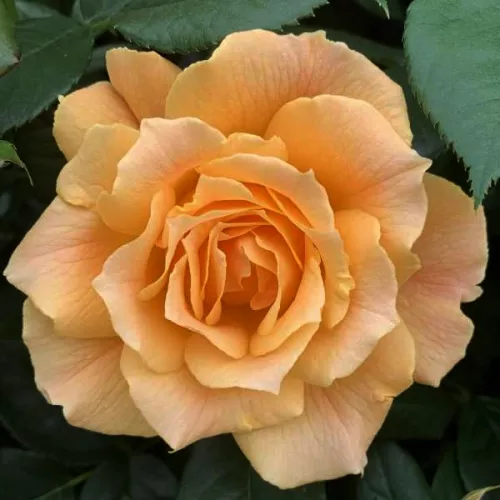
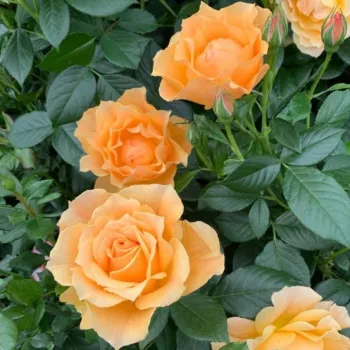
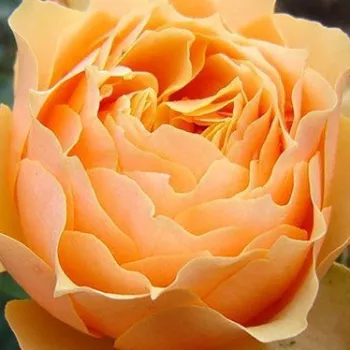
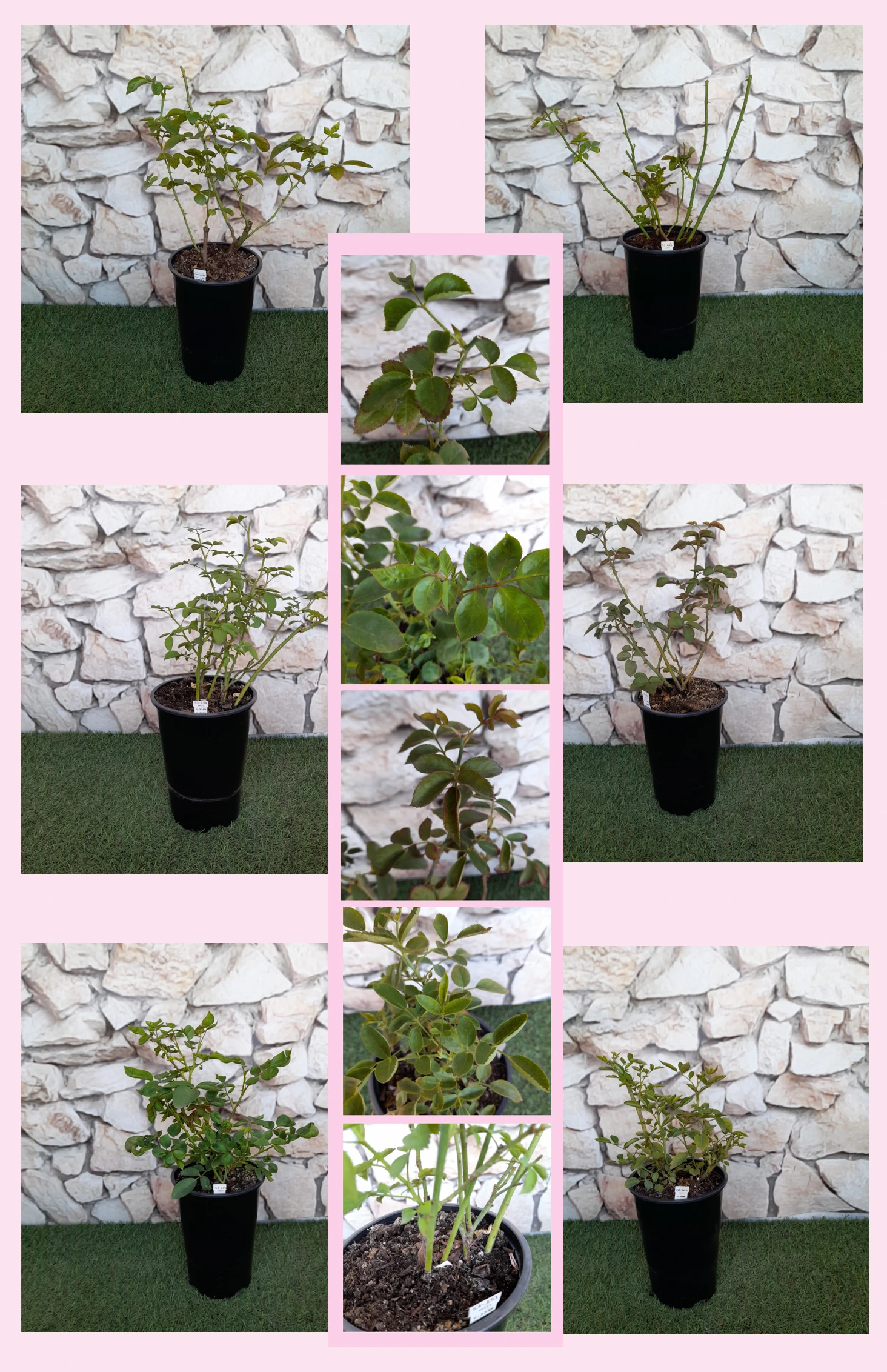
HENRIETTA BARNETT – yellow bedding floribunda rose - Harkness
Step out after rain and meet balance in the glowing blooms of Henrietta Barnett, a compact floribunda shaped for today’s smaller gardens yet generous in repeat flowering. Its warm amber-yellow clusters bring a long season of colour, while strong, spicy-myrrh fragrance drifts along paths and over low front-garden railings. Bred on its own roots for dependable longevity, it establishes steadily and responds well to simple care in typical UK conditions, even where wind and showers bring extra humidity and fungal pressure. In its first years you will see roots settle, then shoots build, then full ornamental impact that endures from late spring to autumn. Dense, glossy foliage frames bright clusters that work beautifully in containers or narrow beds, supporting a soft, rainwater-friendly urban garden.
Usage options
| Target area | Reasoning |
|---|
| London terraced-house front garden bed |
Compact, upright growth and bright amber-yellow clusters give strong kerb appeal without overwhelming a narrow plot, and moderate disease resistance copes reliably with typical city microclimates, reassuring the busy urban gardener. |
| Rainwater-focused container by the front door |
Performs well in a 40–50 litre pot with rainwater and peat-free compost, the repeat-blooming clusters and aromatic flowers providing long seasonal interest for a low-input, climate-aware entrance, ideal for the sustainability-minded beginner. |
| Small family back-garden border |
Its medium height and dense foliage create a neat, child-friendly shrub that flowers repeatedly through the school holidays, adding colour structure with only occasional pruning, suiting the time-pressed family gardener. |
| Low informal hedge along a path |
Planted at closer spacing, the upright habit and continuous flushes build a soft, low hedge that guides the eye and releases fragrance on passing, with own-root stamina supporting a long-lived line for the planning-conscious homeowner. |
| Mixed planting with lavender, sage or nepeta |
The warm yellow and peachy tones pair beautifully with cool blues and mauves, while good heat tolerance keeps colour steady in sunny spots, fitting a relaxed, wildlife-aware scheme for the style-focused hobby gardener. |
| Pollinator-accent bed near seating |
While densely double blooms are mainly ornamental, the strong honeyed scent and seasonal hips add sensory richness and autumn structure around benches or patios, appealing to the nature-loving city resident. |
| Clay or chalky suburban front garden |
Once drainage is improved, its own-root resilience and H7 hardiness make it a stable long-term feature that copes with cool, damp spells and blustery showers that often encourage fungal problems, reassuring the cautious new gardener. |
| Feature rose in a sustainable “girly” scheme |
Clusters of soft, feminine yellow blooms above glossy foliage sit perfectly with light perennials and gravel, giving a romantic look with modest maintenance and years of repeat display, ideal for the design-conscious beginner. |
Styling ideas
- Front-row – Plant a trio by a low railing with Mexican daisy at their feet to soften hard paving – for London terrace owners wanting gentle colour and movement.
- Courtyard – Use a single plant in a 50 litre pot with pea gravel mulch and thyme to echo Mediterranean calm – for small-space gardeners seeking low fuss and high fragrance.
- Ribbon – Create a loose hedge along a path at 50 cm spacing, underplanted with low catmint for a scented “walk-through” – for families who enjoy everyday garden strolls.
- Pastel – Combine with soft pink roses and pale salvias in a narrow bed to frame a front door – for homeowners aiming for a quietly romantic, “girly” entrance.
- Autumn – Let the red hips shine among evergreen Euonymus and dwarf grasses for late-season structure – for eco-conscious gardeners who value long-lasting ornamental interest.
Technical cultivar profile
| Property | Data |
|---|
| Name and registration |
Floribunda bedding rose, shrub form. Registered as HARmaxim, marketed as Henrietta Barnett Bedding rose HARmaxim; ARS exhibition name Henrietta Barnett for show and collection purposes. |
| Origin and breeding |
Bred by Philip Harkness for Harkness Roses, United Kingdom, around 2007 and introduced the same year by Harkness Rose Company, developed for reliable bedding and border use. |
| Growth and structural characteristics |
Compact, upright shrub reaching about 65–95 cm in height and 50–70 cm spread, with dense mid-green, glossy foliage and moderate prickles, forming a tidy, bushy outline in beds or containers. |
| Flower morphology |
Cluster-flowering, very double, cup-shaped blooms with over 40 petals per flower, medium-sized at roughly 4–7 cm, repeating well with an especially abundant second flush in favourable seasons. |
| Colour data and phenology |
Warm amber-yellow base with peach hues; ARS YB, RHS 12B outer, 14A inner. Buds bright yellow, maturing to creamy yellow with peach tint before petals drop, flowering steadily from late spring to autumn. |
| Fragrance and aroma |
Strong, well-scented floribunda rose with a distinctive spicy, myrrh-like character and noticeable honeyed sweetness around seating areas, especially on still, humid evenings after light rain. |
| Hip characteristics |
After flowering it can produce numerous small, spherical hips about 6–10 mm across, turning red in autumn and contributing decorative seasonal interest and subtle wildlife value in mixed plantings. |
| Resistance and winter hardiness |
Hardy to approximately −21 to −18 °C (RHS H7, USDA 6b, Swedish Zone 3) with moderate resistance to black spot, mildew and rust, and generally good tolerance of UK summer heat when soils are not parched. |
| Horticultural recommendations |
Suited to beds, borders and large containers; plant 50–100 cm apart depending on effect. Prefers well-drained soil; feed annually and prune lightly each spring to renew flowering wood and shape. |
Henrietta Barnett Bedding rose HARmaxim offers long-season fragrance, compact repeat flowering and own-root durability, making it a thoughtful choice for relaxed, sustainable front gardens and containers you plan to enjoy for many years.