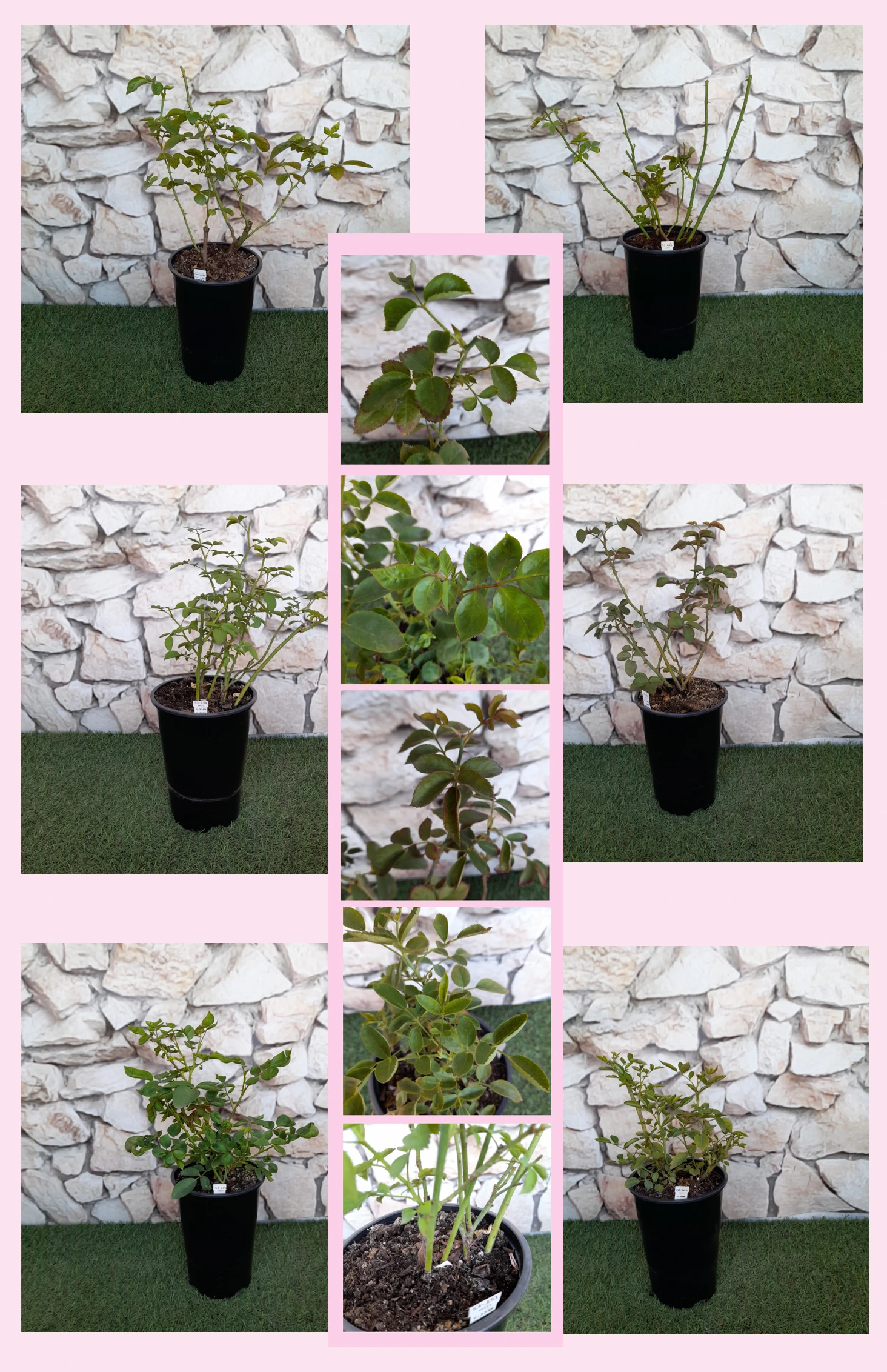
ROSA PIMPINELLIFOLIA FRÜHLINGSMORGEN – pink-yellow landscape shrub rose
Step outside after rain and Rosa pimpinellifolia ‘Frühlingsmorgen’ greets you with balance between romantic spring colour and straightforward robustness, ideal for small London front gardens coping with gusty showers and sticky soil in a quietly resilient family planting. Its large, single, pink-and-cream flowers reveal glowing stamens for bees and butterflies, bringing a pollinator buzz and gentle muscatel, wild-rose fragrance to your path. Once the blossom is over, crimson hips and dense, grey-green foliage keep the shrub visually lasting and useful for screening. As an own-root rose it settles in reliably and, with a natural rhythm of year-one roots, year-two shoots, and year-three full display, it matures into a long-lived, low-input feature. Plant once, give it space and drainage, and enjoy a hedge or specimen that asks for little more than light pruning, supporting a green, rainwater-conscious approach to city gardening. Whether you prefer a soft naturalistic style with grasses or a neater cottage border with catmint and lamb’s ear, ‘Frühlingsmorgen’ offers a calm, sustainable focal point.
Usage options
| Target area | Reasoning |
|---|
| Low-maintenance flowering hedge for front gardens |
Its vigorous, bushy growth and dense foliage make ‘Frühlingsmorgen’ ideal for informal hedging that softens front boundaries while staying manageable with only occasional pruning; the single once-a-year cut suits busy urban garden owners |
| Pollinator strip along paths and driveways |
Large, open, single flowers with clearly visible stamens are extremely accessible to bees and other insects, creating a seasonal pollinator corridor that still looks tidy beside paths and parking spaces for beginners seeking wildlife-friendly planting |
| Rainwater-friendly planting in heavy or sticky soils |
Once established, its strong root system and robust shrub habit cope well where rainwater briefly lingers and soil can be claggy, as long as basic drainage is provided, supporting gardens that work with wet weather for sustainability-minded city households |
| Screening and backdrop in mixed perennial borders |
Upright, leafy growth and abundant rose hips give a long season of structure behind perennials; it frames summer borders with a natural look, then carries the display into autumn with crimson fruit, ideal for homeowners planning multi-season interest |
| Cottage and naturalistic schemes in terraced-house fronts |
The soft pink-and-cream spring flowers and wild-rose character pair beautifully with catmint, lamb’s ear and heuchera, creating a relaxed but pretty entrance that reads as “girly” without fuss, especially appreciated by style-conscious small-garden owners |
| Long-lived, low-intervention landscape plantings |
As an own-root shrub it regenerates well from the base, ages slowly and does not rely on delicate graft unions, giving stable ornamental value for many years with minimal inputs, attractive to gardeners wanting to plant once and enjoy |
| Partially shaded side-return or courtyard beds |
Happy with around three hours of direct sun, it brings colour and scent into side passages or courtyards where light is limited, creating a softer feel against brick or fencing that suits owners of narrow terraced plots |
| Structure and colour in wildflower-style planting |
Its botanical look, single blooms and decorative hips integrate naturally with meadow-style grasses and perennials, adding height, early-season colour and wildlife value without overpowering the scheme for gardeners favouring relaxed, natural designs |
Styling ideas
- Spring-Pathway – Line a narrow front path with staggered ‘Frühlingsmorgen’ shrubs underplanted with Nepeta x faassenii to create a scented, bee-busy walk-in from the pavement – ideal for terrace owners wanting charm with little upkeep
- Soft-Hedge – Form a loose, shoulder-height hedge mixed with lamb’s ear and heuchera for texture, giving privacy without feeling harsh – suited to families needing screening that still feels friendly and welcoming
- Wild-Ribbon – Thread a few shrubs through a wildflower-style strip so their single flowers and hips punctuate grasses and daisies – perfect for sustainability-focused gardeners turning lawns into wildlife corridors
- Courtyard-Focus – Use a single plant in a 50-litre or larger container as a seasonal focal point, surrounded by low herbs like sage – good for renters or balcony gardeners who need movable structure
- Pastel-Drift – Combine with pale foxgloves, ornamental grasses and catmint for a hazy, romantic planting that glows in spring light – appealing to those who like a soft, feminine look without high maintenance
Technical cultivar profile
| Parameter | Data |
|---|
| Name and registration |
Rosa pimpinellifolia ‘Frühlingsmorgen’, shrub rose; ARS name ‘Fruhlingsmorgen’. Commercial type landscaping shrub rose in the Botanical rose group, marketed in the Spring collection as an own-root container plant. |
| Origin and breeding |
Bred by Wilhelm J. H. Kordes II, W. Kordes’ Söhne, Germany, around 1941 from (‘E. G. Hill’ × ‘Cathrine Kordes’) × Rosa spinosissima var. altaica; first introduced to gardens in 1942 as a robust, hardy shrub. |
| Awards and recognition |
Holds the Royal Horticultural Society Award of Garden Merit (AGM, 2012), confirming dependable garden performance, sound health and ornamental value under typical UK conditions when grown with standard care. |
| Growth and structural characteristics |
Bushy, upright shrub with dense, matte, grey-green foliage and many thorns. Forms a strongly structural plant suitable for hedging or specimen use; ultimate mature height and spread are medium-large for a shrub rose. |
| Flower morphology |
Large, flat, single flowers borne in clusters with about 5–12 petals. Once-flowering, providing a concentrated spring display, then followed by prominent hips. Bloom size approximately 7–10 cm across in average conditions. |
| Colour data and phenology |
Medium pink-carmine outer petals (RHS 56C) with creamy, sometimes pale yellow inner tones (RHS 14B), creating a two-tone pink–cream–yellow effect; golden to reddish-brown stamens remain clearly visible for many weeks in late spring. |
| Fragrance and aroma |
Notable fragrance of medium strength, combining muscatel and wild-rose notes with a light floral, violet-like nuance; the scent is most evident on still, mild days and near paths or seating where air movement is gentle. |
| Hip characteristics |
Produces many egg-shaped crimson-red hips, about 10–20 mm, from late summer into winter; mainly ornamental, adding colour and structure, with incidental wildlife interest where birds and small mammals visit the garden. |
| Resistance and winter hardiness |
Highly hardy shrub rated to about –35 °C (RHS H7; Swedish zones 1–4, USDA 6b). Demonstrates good resistance to black spot, powdery mildew and rust when grown with reasonable air circulation and non-soggy soil. |
| Horticultural recommendations |
Best in well-drained soil; copes with heavier ground if not waterlogged. Suitable for hedges, mixed borders, cottage and naturalistic schemes, and wildlife-friendly gardens; pruning generally light and infrequent once established. |
ROSA PIMPINELLIFOLIA FRÜHLINGSMORGEN offers easy-care hedging, strong disease resistance and pollinator-friendly spring colour on its own roots, making it a thoughtful, long-term choice for those planning a resilient family garden.