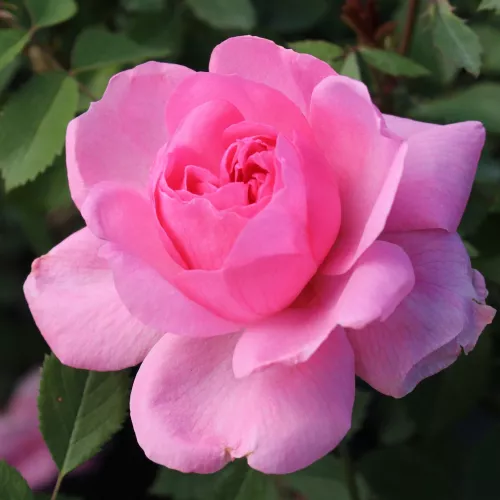
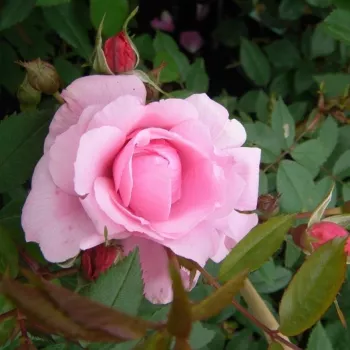
JOHN DAVIS – pink park rose – Svejda
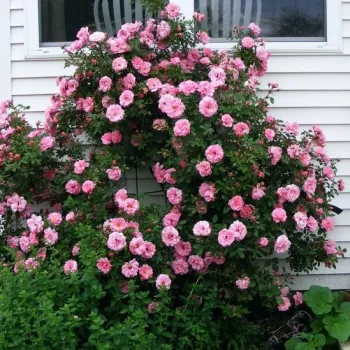
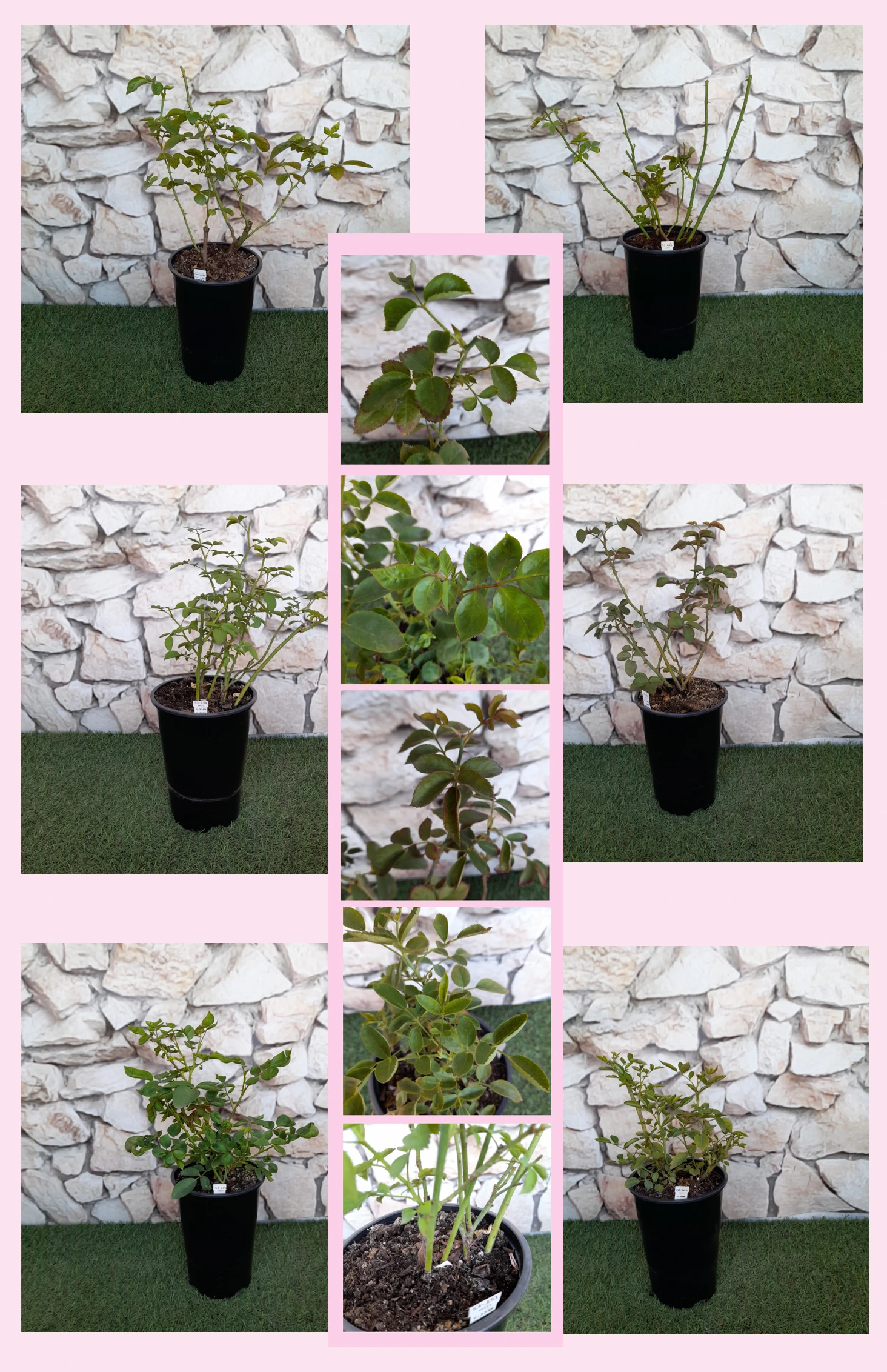
Imagine stepping out after rain into a front garden where petals glisten softly, the air carrying a spicy fragrance and the long, arching canes of JOHN DAVIS create a gentle sense of balance. This Canadian-bred shrub rose offers informal romance on pergolas, fences or trained along a narrow terrace frontage, while its glossy foliage and naturally self-cleaning blooms keep borders looking fresh with little day‑to‑day fuss, even when your soil is heavy and slow to drain after persistent showers and coastal winds. On its own roots it builds resilience year by year, quietly regenerating from the base, so you can enjoy a long-lived, reliable structure in a small family garden. In a large 40–50 litre container or open ground, you will see roots settle in the first year, strong new shoots in the second, and by the third year the rose reaching its full ornamental impact in a sustainable, rainwater-friendly city planting that still feels delightfully girly.
Usage options
| Target area |
Reasoning |
| London terraced-house front garden |
Train JOHN DAVIS as a narrow climber against railings or a wall to gain generous height without stealing pavement space; the arching canes and self-cleaning pink clusters give a soft, romantic frontage with minimal deadheading for busy urban gardeners. |
| Rainwater-friendly urban border |
Planted into improved heavy clay or chalk, its strong root system copes with wet then drying cycles, offering stable structure and colour while you channel roof run-off into permeable beds, ideal for a sustainable streetside strip for eco-conscious homeowners. |
| Family pergola or arch |
Use its climbing, trailing habit over a pergola where children and adults pass underneath; medium-sized, double flowers repeat through summer, giving ongoing colour and light fragrance with little training once the basic framework is tied in for relaxed hobby gardeners. |
| Low-maintenance back-garden screen |
Along a fence, this dense, glossy-foliaged shrub forms a soft, flowering screen that blurs boundaries and offers privacy; own-root growth means it fills from the base and recovers well from hard pruning, suiting evolving family spaces for long-term planners. |
| Large container on balcony or patio |
In a 40–50 litre, peat-free container with good drainage, JOHN DAVIS provides vertical interest and months of pink bloom in limited space; its remontant flowering and self-cleaning habit reduce day-to-day tasks for time-poor beginners. |
| Cottage-style mixed border |
The softly fading pink flowers blend easily with perennials like lavender, nepeta or sage, giving an informal “girly” look; repeat flowering adds structure and continuity between seasonal waves of other plants for romantic border enthusiasts. |
| Cold and exposed UK gardens |
Bred in Canada and hardy to severe winter temperatures, this rose shrugs off frost and cold winds, making it a reassuring choice for open, unsheltered plots across much of the UK for weather-worried gardeners. |
| Regenerative, long-term planting |
As an own-root shrub it does not rely on a graft union, so stems regenerate authentically from the base after pruning or damage, supporting a long planting life and stable appearance in small, carefully planned gardens for sustainability-focused owners. |
Styling ideas
- FrontageCharm – Train JOHN DAVIS flat against railings with soft underplanting of lavender and nepeta for a scented, rainwater-absorbing strip – ideal for small terraced-house fronts.
- PergolaWalk – Let its arching canes drape over a slim pergola, weaving in white clematis for contrast and a romantic tunnel effect – perfect for family garden paths.
- BalconyColumn – Grow in a 50 litre container with a slim obelisk, mixing in trailing thyme at the base – suited to balconies needing vertical colour with modest upkeep.
- CottageScreen – Combine as a loose flowering screen with sage, catmint and ornamental grasses to soften fences – great for those seeking a pink, “girly” cottage feel.
- ColdClimateRose – Use JOHN DAVIS as the backbone of a hardy border with campanulas and Artemisia schmidtiana 'Nana' – reassuring for gardeners in exposed or northern sites.
Technical cultivar profile
| Parameter |
Data |
| Name and registration |
JOHN DAVIS is a park-shrub rose from the Shrub, Hybrid Kordesii group, listed as a shrub rose exhibition type and marketed within the Park - shrub rose collection. |
| Origin and breeding |
Bred by Felicitas Svejda in Canada in 1977 from Rosa 'Kordesii' × ('Red Dawn' × 'Suzanne'), introduced after 1986 by Agriculture and Agri-Food Canada, Central Experimental Farm, Ottawa. |
| Awards and recognition |
Holds the Texas A&M University Earth-Kind® North excellence rating (2007), highlighting reliable landscape performance under reduced chemical input and environmentally aware maintenance regimes. |
| Growth and structural characteristics |
Strong, arching, climbing habit reaching about 200–280 cm in height and 150–220 cm spread, with dense, mid-green glossy foliage and moderate prickliness, forming a substantial, softly cascading framework. |
| Flower morphology |
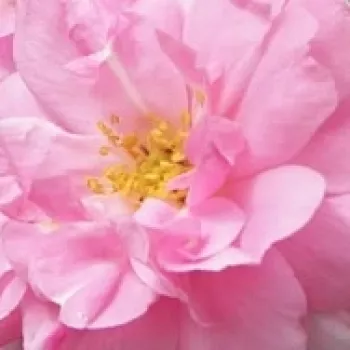
Bears medium-sized, very double, cupped flowers with over 40 petals in clustered inflorescences; remontant, with an abundant second flush and good self-cleaning as most spent blooms fall away naturally. |
| Colour data and phenology |
Flowers open deep mid-pink (RHS 58C, 62B), then soften to pastel pink with outer petals nearly white; colour retention is moderate, creating a softly blended effect as trusses age on the plant. |
| Fragrance and aroma |
Moderately scented with a medium-strength, lightly spicy character that is noticeable at close quarters and around paths or seating areas, enhancing the atmospheric quality after rainfall or in evening air. |
| Hip characteristics |
Occasionally forms small, red, ellipsoid hips around 8–12 mm in diameter, adding a discreet seasonal accent without significantly affecting the plant’s overall flowering performance or display continuity. |
| Resistance and winter hardiness |
Extremely winter-hardy to approximately -37 to -40 °C (RHS H7, USDA 3a, Swedish zone 6); disease resistance is moderate to powdery mildew and black spot, but rust sensitivity is high so monitoring is advisable. |
| Horticultural recommendations |
Suited to pergolas, fences, hedging or specimen use; thrives in full sun to partial shade with well-drained soil, needing regular health checks and timely plant protection where rust pressure is persistent. |
JOHN DAVIS combines reliable remontant flowering, cold-hardy structure and self-renewing own-root growth, making it a thoughtful long-term choice for relaxed, sustainable gardens you will enjoy tending over many seasons.