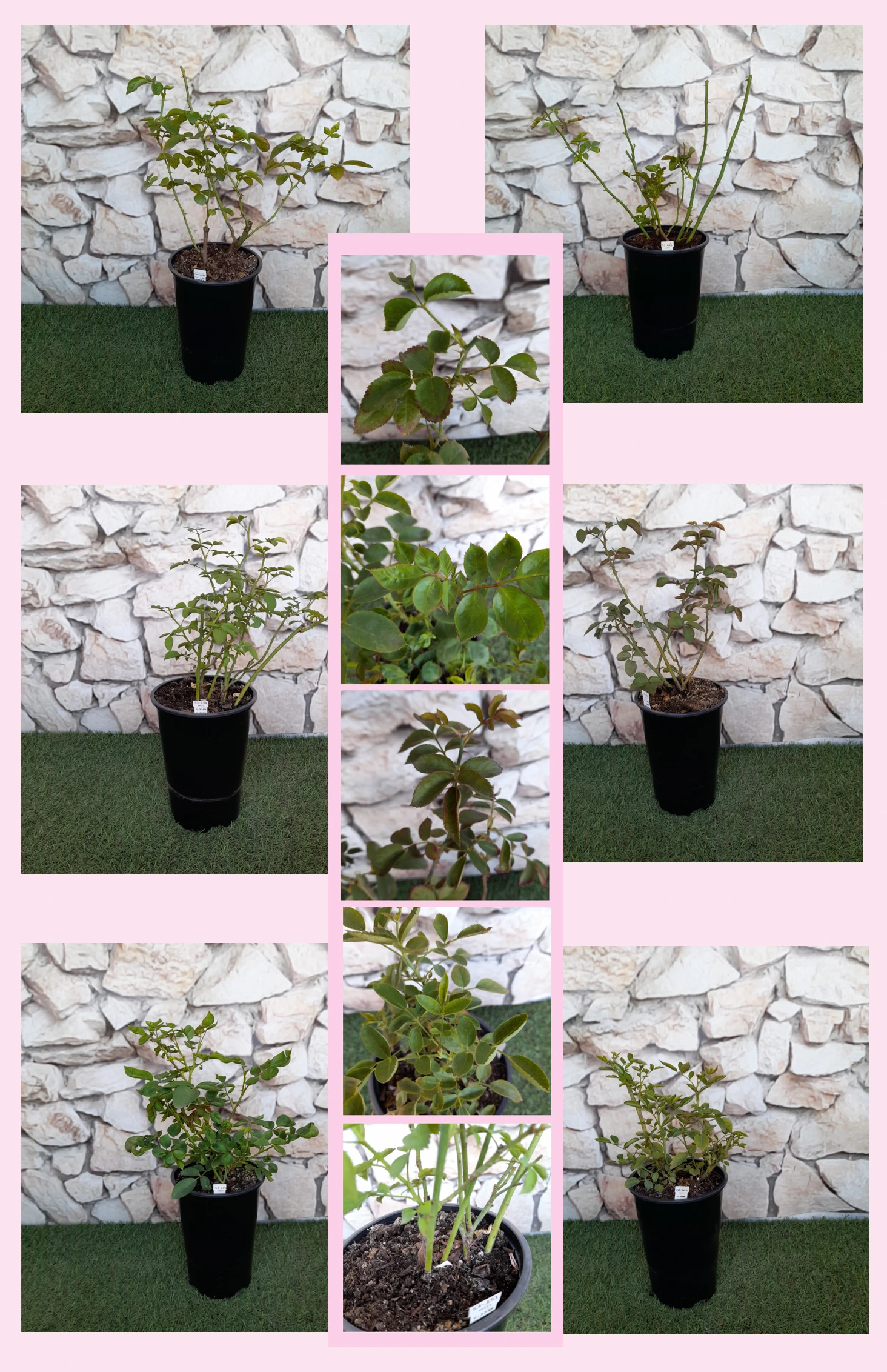
KANIZSA – pink hybrid tea rose - Márk
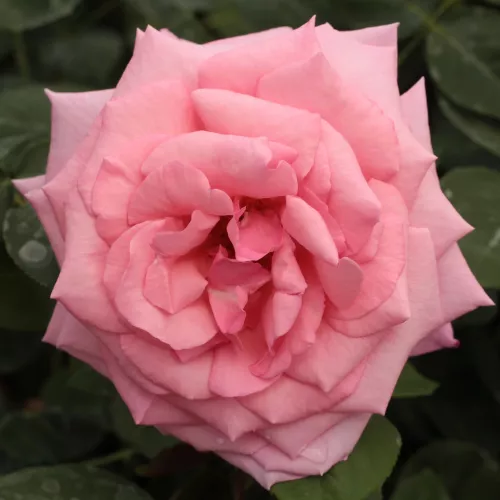
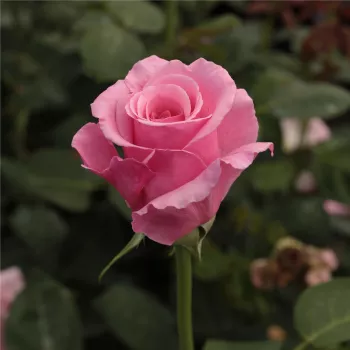
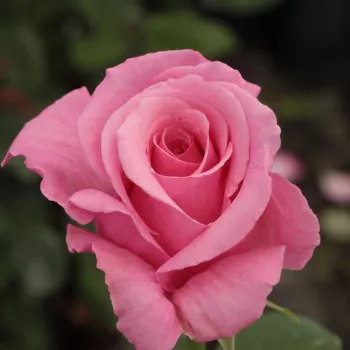
Imagine a London front garden where rainwater drains gently through gravel and planting, while a single, sculptural rose brings quiet balance to the scene: KANIZSA is a classic-shaped hybrid tea on its own roots, chosen for its long-term garden structure rather than fleeting fashion. Large, high-centred, mid-pink blooms appear in one concentrated summer flush, ideal if you enjoy a defined flowering moment rather than constant deadheading, and their medium-strength fragrance is most rewarding in warm, still weather after a shower, even where gardens face regular coastal winds and summer humidity. As an own-root shrub it develops steadily, so you can expect roots to establish in the first year, stronger shoots in the second, and full ornamental value by the third, giving reassuring longevity in a small space. Its moderately compact habit makes it easy to combine with low, pollinator-friendly perennials in rainwater-aware front gardens, while occasional orange-red hips add subtle autumn interest. Choose KANIZSA if you value a defined flowering season, permanent planting and low-renovation maintenance, especially where sustainable hard landscaping meets traditional garden romance and everyday urban tranquillity.
Usage options
| Target area |
Reasoning |
| Feature rose in a small London front garden |
The bushy yet compact habit and long-term own-root resilience make KANIZSA ideal as a single focal shrub by a front door or railings, giving structure without overwhelming narrow beds in busy streets, particularly for urban homeowners. |
| Companion to rainwater-friendly hard landscaping |
Planted in a free-draining pocket beside gravel, setts or permeable paving, KANIZSA offers classic hybrid tea form while coping with typical British showers and breezy, humid spells along with thoughtful rainwater management, suiting sustainability-minded gardeners. |
| Own-root planting for long-lived borders |
As an own-root rose, KANIZSA can regenerate from its base if stems are damaged, keeping borders stable and attractive over years without needing grafting know-how, a reassuring choice for beginner gardeners. |
| Seasonal highlight in a “girly” pink scheme |
The uniform mid-pink, high-centred blooms work beautifully with soft pastels and white companions, creating a feminine, romantic effect that suits terrace-front gardens and neat decorative beds valued by style-conscious residents. |
| Cut-rose corner for home arrangements |
Large, solitary flowers on straight, bushy stems echo exhibition hybrid tea form, allowing you to cut a few stems for vases without stripping the plant, ideal for those who enjoy simple home-grown arrangements, especially creative homeowners. |
| Structured planting with low perennials |
Positioned with edging plants such as lavender, sage or nepeta, KANIZSA gives vertical emphasis while companions provide colour and pollinator support, helping you achieve layered, low-fuss structure even in limited space for time-poor gardeners. |
| Own-root rose for large containers |
In a 40–50 litre peat-free container with good drainage, this moderately spreading shrub forms a stable, long-term feature that responds well to regular watering and feeding, suiting balconies and paved yards used by container gardeners. |
| Planned flowering window in family gardens |
Because KANIZSA blooms once rather than repeatedly, you can design your border so its main show coincides with school holidays or special occasions, adding perennials for later interest and suiting thoughtfully planned spaces for organised families. |
Styling ideas
- Front-Door Focus – Place KANIZSA in a narrow bed by the front step, underplanted with low lavender for scent and soft colour contrast – perfect for time-poor urban families.
- Rain-Garden Ribbon – Combine with nepeta, sedges and permeable gravel paths so rainwater soaks in while the rose provides height and pink structure – ideal for sustainability-aware terrace owners.
- Balcony Statement – Grow in a 40–50 litre pot with trailing thyme and white calibrachoa to soften the rim and extend seasonal interest – suited to design-focused balcony gardeners.
- Pink-White Border – Mix KANIZSA with white obedient plant and airy grasses for a light, feminine look that remains tidy through summer – good for small family gardens needing simple order.
- Cutting Corner – Dedicate a sunny strip with KANIZSA and bupleurum for fresh, easy vases of mid-pink roses and green fillers – appealing to home florists who like relaxed arrangements.
Technical cultivar profile
| Parameter |
Data |
| Name and registration |
Hybrid tea rose marketed as KANIZSA – pink hybrid tea rose - Márk; part of the Hybrid tea rose collection, used mainly as a garden and cutting hybrid tea type. |
| Origin and breeding |
Bred by Márk Gergely in Hungary in 1993 at the Budatétényi Horticultural Research Institute; introduced to the market by PharmaRosa® Ltd. with own-root production for gardens. |
| Growth and structural characteristics |
Bushy, moderately spreading shrub around 65–95 cm tall and 50–70 cm wide, with moderately dense, mid-green, slightly glossy foliage and moderate prickliness suitable for small borders. |
| Flower morphology |
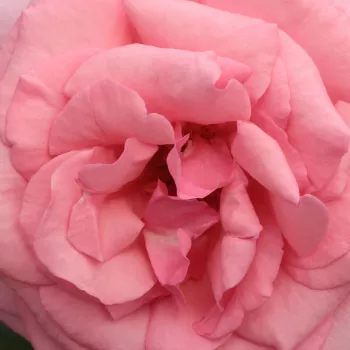
Large, high-centred hybrid tea blooms on solitary stems, double with about 26–39 petals; not remontant, producing one main flowering period rather than continuous rebloom. |
| Colour data and phenology |
Uniform clear mid-pink (ARS MP; RHS 65C outer, 65D inner), opening vivid then gently fading to a softer, silvery pink tone towards the end of flowering, with good colour retention overall. |
| Fragrance and aroma |
Medium-strength perfume characteristic of classic garden roses, most noticeable in sunny, warm weather; detailed fragrance notes are not recorded but scent is clearly perceivable nearby. |
| Hip characteristics |
Occasionally forms small, ellipsoidal orange-red hips about 10–14 mm in diameter, adding modest late-season interest without significantly affecting general garden maintenance. |
| Resistance and winter hardiness |
Hardy to around −26 to −23 °C (RHS H7, USDA 5b, Swedish zone 4); average drought tolerance but needs watering in prolonged dry spells; disease sensitivity requires regular monitoring and care. |
| Horticultural recommendations |
Prefers a sunny site with reasonably drained soil; planting distances from 50–90 cm depending on use, with densities of about 2.8–3.2 plants/m² for mass or hedge-style arrangements. |
KANIZSA – pink hybrid tea rose - Márk offers classic large flowers, medium fragrance and a compact, long-lived own-root shrub form that suits thoughtful urban gardens, making it a sound choice if you plan to enjoy your planting for many years.