KEMPELEN FARKAS EMLÉKE – light pink flowerbed polyantha rose - Márk
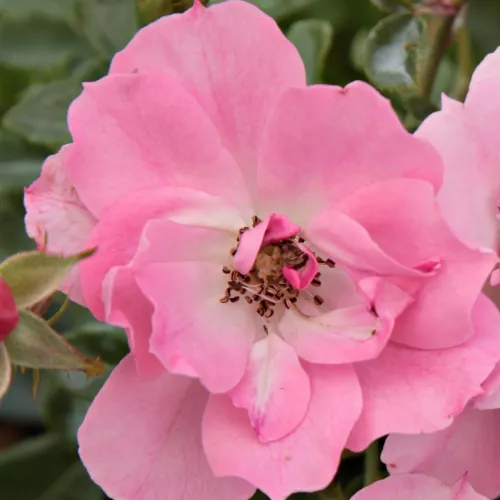
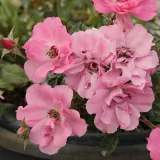
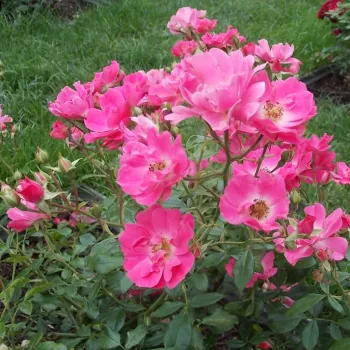
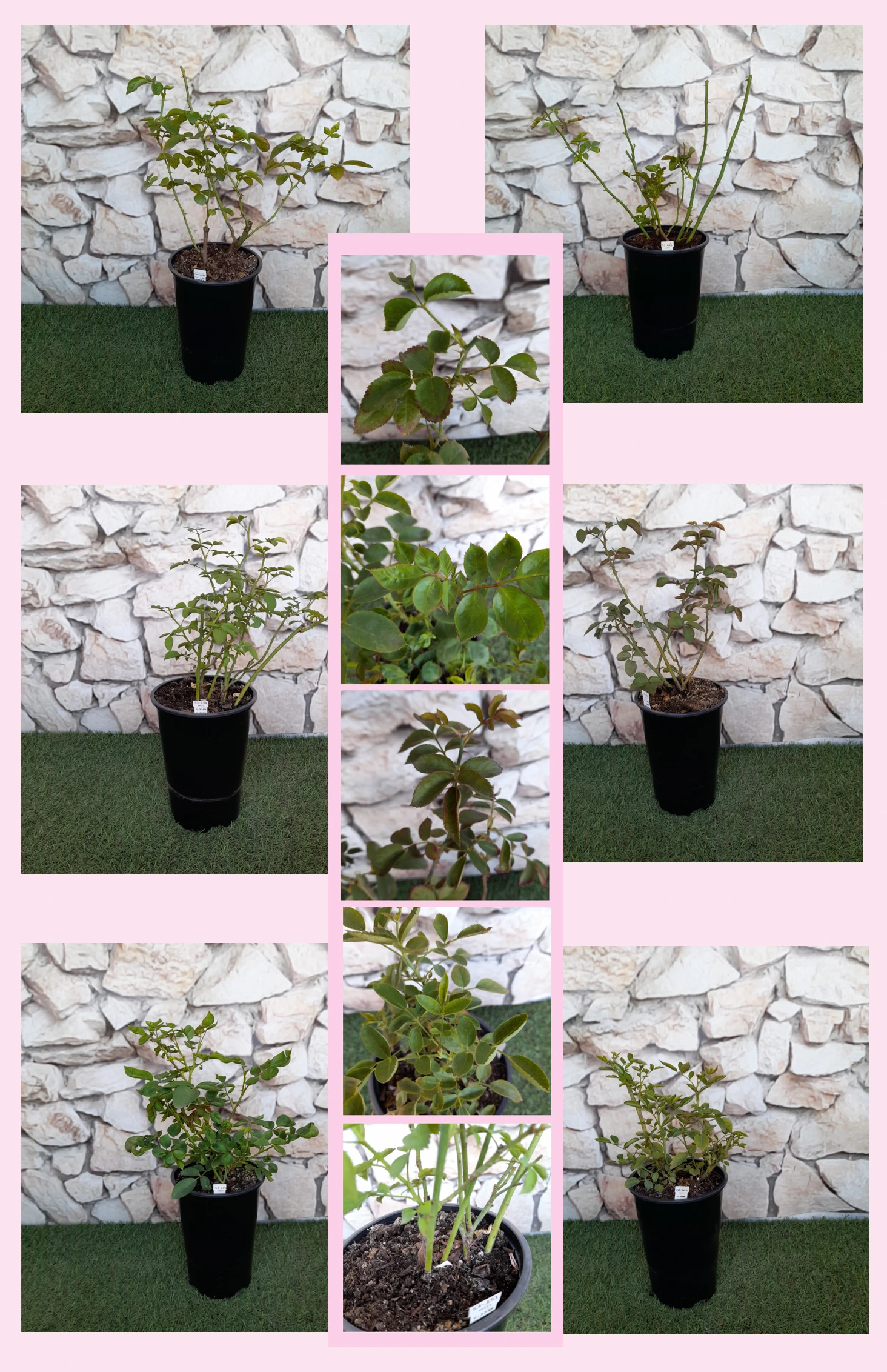
Step out to a front garden that looks effortlessly polished: KEMPELEN FARKAS EMLÉKE creates low, spreading mounds of light pink bloom that hold their shape in everyday wind and rain, even where the soil feels heavy after downpours. Semi-double clusters open in soft pastel tones from late spring and repeat generously, so there is usually a new flush on the way while the last one is finishing. The small flowers shed spent petals cleanly, keeping the bed looking tidy with very little input from you. This compact, glossy-leaved polyantha makes hedging a narrow London terrace front, edging a path or softening a drive simple to plan, even if you are new to roses. As an own-root shrub it settles in securely, quietly rebuilding from the base if ever cut back hard, for reassuringly long-lived colour in a family plot. In the first year it concentrates on roots, in the second you see stronger shoots, and by the third season it reaches full ornamental impact with minimal fuss. Equally at ease in mixed borders or sustainable, rainwater-friendly designs, it keeps its balance between controlled growth and abundant flower, making it an easy-care choice for busy urban gardeners.
Usage options
| Target area |
Reasoning |
| Front garden bedding for terraced houses |
The compact, spreading habit and modest 40–60 cm height suit shallow front beds along railings or pavements, giving a soft, continuous layer of pink without blocking light into ground-floor windows; ideal for busy urban gardeners. |
| Low informal hedge or path edging |
Regular repeat flowering and naturally self-cleaning blooms create a neat, low hedge with minimal deadheading, perfect along front paths or driveways where you want structure and colour but little upkeep for beginner rose owners. |
| Pollinator-friendly mixed flower border |
Semi-double, smaller flowers with partially accessible stamens offer moderate interest for visiting insects, especially when blended with herbs such as lavender, sage or nepeta that boost nectar sources for wildlife-conscious families. |
| Rainwater-aware urban planting strip |
The dense, mid-green foliage and spreading outline help cover soil that often sits wet after showers, visually absorbing splashes and softening hard surfacing near downpipes, particularly valuable where front gardens manage runoff for sustainability-minded homeowners. |
| Small family garden flower bed |
Its moderate width and height fit neatly into typical suburban beds, giving long-season colour without overwhelming play space; own-root resilience means it copes well with the occasional stray football in gardens shared by young families. |
| Standard (high-stem) feature in pots |
Grafted onto a stem, the naturally floriferous crown produces generous clusters above underplanting; in a large 40–50 litre container with good drainage it becomes an easy, elegant focal point for balcony and patio gardeners. |
| Public-facing, easy-care frontages |
Moderate disease resistance, self-cleaning flowers and a tidy outline make it suitable for low-input schemes along drives, parking areas or shared paths where reliability matters more than intensive grooming for time-pressed property owners. |
| Long-term, low-rise rose mass planting |
As an own-root polyantha bred for dense, spreading cover, it forms stable, long-lived planting blocks that can be periodically cut back and refreshed, maintaining even colour and shape over many seasons for low-maintenance garden planners. |
Styling ideas
- Terrace-Chic – Line a narrow front bed with a single row of KEMPELEN FARKAS EMLÉKE under clipped evergreen box, letting the soft pink clusters relax the structure – ideal for style-conscious city homeowners.
- Soft-Edged – Create a meandering path edged with these roses and interplant pockets of lavender or dwarf nepeta to extend colour and pollinator appeal – suited to families who want gentle formality without hard work.
- Pastel-Ribbon – Mass-plant along a driveway in bands, weaving in Calamintha nepeta ‘Blue Cloud Strain’ for airy blue haze above the glossy foliage – perfect for those seeking a calm, romantic approach to the front door.
- Standard-Focus – Use a high-stemmed form in a 50-litre pot, underplanting with silver sage and trailing thyme to highlight the pink canopy – a good choice for balconies or paved spaces needing vertical interest.
- Urban-Meadow – Combine loose drifts of this rose with Liatris spicata ‘Kobold’ and ornamental grasses in a rainwater-accepting strip for a soft, modern, low-rise planting – best for eco-aware urban gardeners.
Technical cultivar profile
| Property |
Data |
| Name and registration |
Current trade name KEMPELEN FARKAS EMLÉKE – light pink flowerbed polyantha rose - Márk; American Rose Society exhibition name Kempelen Farkas emléke; collection bedding rose, polyantha bed rose type. |
| Origin and breeding |
Bred in Hungary in 1994 by Márk Gergely; parentage and breeding institution not recorded; introduced commercially by PharmaRosa® Ltd., supporting reliable identification for long-term garden and landscape use. |
| Growth and structural characteristics |
Low, spreading shrub around 40–60 cm high and 55–85 cm wide, with dense, mid-green, glossy foliage and moderate prickles, forming compact, gently domed mounds suitable for edging, bedding and low hedging. |
| Flower morphology |
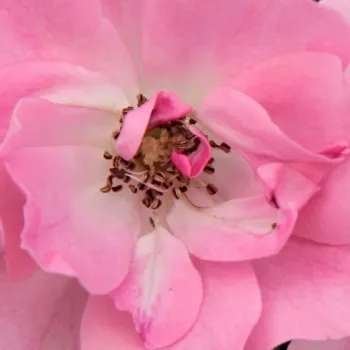
Semi-double, small S-sized blooms in clustered inflorescences, each with approximately 13–25 petals; flowers are cupped, repeat reliably with a generous second flush, and generally shed spent petals without deadheading. |
| Colour data and phenology |
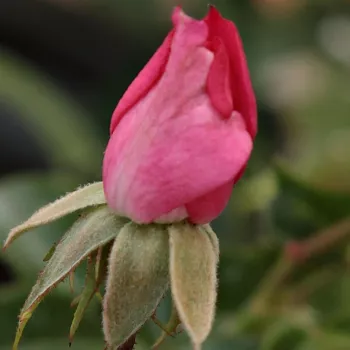
Light pink with a faint purplish tone; buds open silky pale pink with lavender hints, then soften through powdery pastel pink to a faded powder-pink with creamy-white inner glow, giving subtle tonal shifts across the plant. |
| Fragrance and aroma |
No noticeable fragrance; selected primarily for bedding effect, repeat flowering and colour play rather than scent, making it suitable where visual impact and ease of care are higher priorities than perfume. |
| Hip characteristics |
Produces moderately abundant, spherical hips about 6–9 mm wide, maturing to an orange-red colour, adding discrete late-season interest and a natural touch to informal and wildlife-aware plantings. |
| Resistance and winter hardiness |
Hardy to approximately -21 to -18 °C (RHS H7, Swedish zone 3, USDA 6b); disease resistance moderate to powdery mildew, black spot and rust, with average heat and drought tolerance if watered during prolonged dry spells. |
| Horticultural recommendations |
Best in full sun, average maintenance with occasional plant protection; recommended spacings 50–90 cm depending on use, giving about 2.8–3.2 plants per m² in mass plantings or slightly tighter for low hedging. |
KEMPELEN FARKAS EMLÉKE offers compact spreading growth, clean repeat flowering and long-lived own-root reliability for understated, sustainable front gardens; a thoughtful choice if you prefer roses that quietly look after themselves.