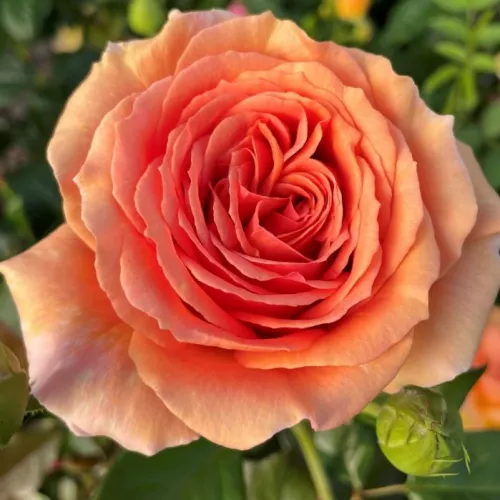
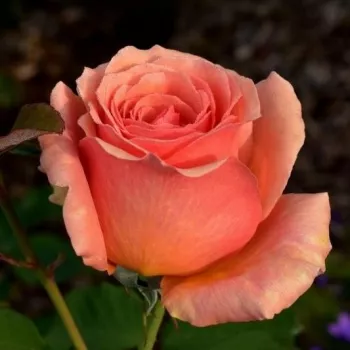
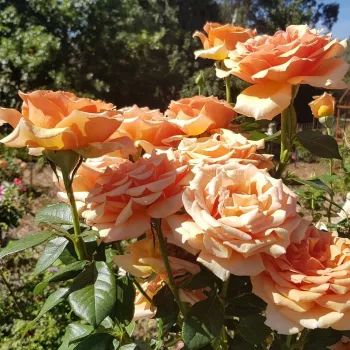
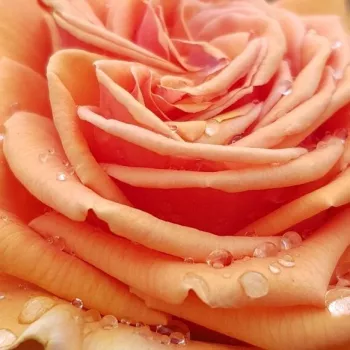
KING DAVID – orange hybrid tea rose (TANmarsa)
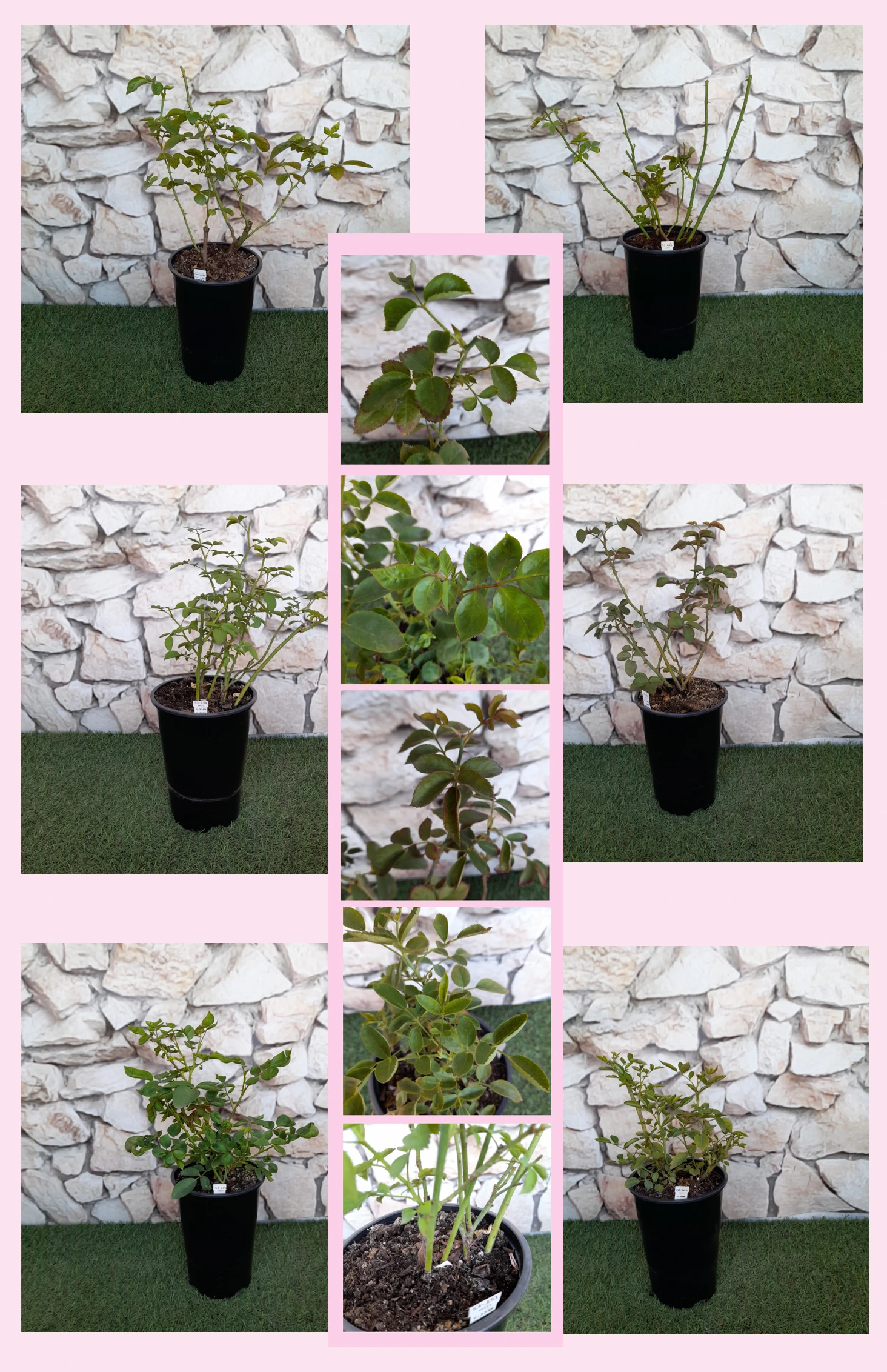
Step outside after rain and meet King David in a haze of warm copper‑orange blooms that glow against dense, healthy foliage, creating an instant sense of balance in compact urban spaces where drainage and heavy soils still matter. This upright, mid‑height hybrid tea is bred for longevity as an own‑root rose, settling in reliably and rebuilding from its base if winter or pruning are less than perfect, giving you dependable structure year after year. Ideal for London terraces and small front gardens, it delivers XL, high‑centred flowers for cutting with a light, fruity fragrance, while container use is simple in a 40–50 litre pot watered mainly from stored rainwater. Over time it follows a gentle rhythm – first year focused on roots, second year on stronger shoots, third year revealing its full ornamental character – suiting busy owners who want enduring elegance without complicated routines.
Usage options
| Target area | Reasoning |
|---|
| Small London front garden focal point |
The upright, medium‑tall habit and XL, high‑centred blooms create a clear vertical accent that reads beautifully from the pavement, even in narrow front gardens. One well‑placed bush offers a strong focal point with minimal plants to manage, suiting the time‑pressed city homeowner who still values presence and poise for the beginner. |
| Own-root rose for long-term planting |
As an own‑root shrub, KING DAVID can regenerate from its base if stems are damaged, helping it maintain shape and bloom over many years without specialist skills. This long‑view planting suits family plots where stability and gradual improvement matter more than instant perfection for the homeowner. |
| Feature rose in large container (40–50 L) |
Its compact spread and upright form make it ideal for a single statement container on a terrace or doorstep when given a 40–50 litre pot and regular watering during prolonged dry spells, keeping care straightforward for the urbanite. |
| Cut-flower and exhibition-style blooms at home |
High‑centred, pointed buds open into classic hybrid tea flowers, long‑stemmed and XL, ideal for indoor vases or practice stems for amateur exhibitors. Repeating well through the season, it provides a steady supply of flowers without requiring complex greenhouse regimes for the hobbyist. |
| Sunny, heat-exposed beds and patios |
Good tolerance of heat means KING DAVID performs reliably in sunny, reflective front gardens or south‑facing patios when watered regularly in long dry spells, keeping flowering going where more delicate roses tire, reassuring the busy-owner. |
| Structured rose bed or low hedge |
Dense foliage, upright growth and recommended planting distances of 35–40 cm allow a short, orderly line or bed with tidy outlines. Even with medium disease resistance, simple monitoring and occasional treatment are enough to keep a smart look for the planner. |
| Rainwater-conscious front gardens |
In urban plots designed to capture and use rainfall, a deep 40–50 litre container or improved planting pit lets KING DAVID cope with variable moisture while you rely mainly on stored rainwater rather than mains supply, aligning beauty with low‑impact care for the sustainability‑minded. |
| Dedicated rose-lover’s mixed border |
With semi‑double, colourful blooms and dense, slightly glossy foliage, it provides season‑long structure and a warm orange highlight among perennials, accepting moderate disease management and light deadheading as part of a regular garden rhythm for the enthusiast. |
Styling ideas
- Terrace-Showpiece – Place one KING DAVID in a 50 L pot by the front step, underplanted with trailing thyme to soften the rim – ideal for urban dwellers wanting impact from a single, manageable container.
- Sunset-Border – Combine its copper‑orange blooms with Salvia nemorosa and Geranium pratense for a warm, textural strip along a sunny path – suits gardeners seeking calm evening colour with moderate upkeep.
- Classic-Cut – Grow three plants in a small bed solely for cutting, spacing at 40 cm to encourage straight stems and easy access – for rose lovers who enjoy arranging their own home‑grown bouquets.
- Formal-Ribbon – Line a narrow front garden with a low hedge of KING DAVID, backed by clipped evergreen box or yew for year‑round structure – best for owners wanting a traditional, orderly street‑facing display.
- Copper-Companion – Pair KING DAVID with blue nepeta and soft grasses in a free‑draining, rainwater‑fed strip to highlight its warm tones against movement and cool hues – perfect for design‑conscious, sustainability‑oriented city gardeners.
Technical cultivar profile
| Parameter | Data |
|---|
| Name and registration |
Hybrid tea rose, commercial name KING DAVID – TANmarsa, ARS exhibition name ‘Ashram’; part of the hybrid tea group used for garden display and cutting, listed here under eleanorROSE ORIGINAL own‑root form. |
| Origin and breeding |
Bred by Hans Jürgen Evers for Rosen Tantau, Germany, from unknown parentage; introduced and registered in 1998, reflecting late‑20th‑century hybrid tea selection for colour impact and cutting qualities. |
| Growth and structural characteristics |
Upright shrub reaching around 60–80 cm high and 50–70 cm wide, with dense, medium‑dark, slightly glossy foliage and moderate prickles; flowers borne mainly singly on stems in classic hybrid tea fashion. |
| Flower morphology |
Very large, solitary, high‑centred blooms with 17–25 petals, semi‑double and pointed in bud; repeats well, typically giving a generous second flush under normal garden care when regularly deadheaded. |
| Colour data and phenology |
Rich copper‑orange buds open to warm orange with copper edging, ARS OB, RHS 28A/28C; colour softens to peach‑orange with a rosy hint before fading, offering a nuanced, changing palette through each bloom’s life. |
| Fragrance and aroma |
Light, pleasantly fruity fragrance, noticeable at close range without overwhelming nearby seating areas; suited to front doors, patios and small gardens where a subtle, refined scent is preferable to heavy perfume. |
| Hip characteristics |
Hip set is generally sparse; where pollination succeeds, it produces small, ellipsoid orange‑red hips about 8–12 mm across, adding modest late‑season interest without significantly reducing flowering performance. |
| Resistance and winter hardiness |
Rated H7 and hardy to around −21 to −18 °C, USDA Zone 6b, Swedish Zone 3; disease resistance is medium for common rose problems, so occasional monitoring and treatment may be required in humid conditions. |
| Horticultural recommendations |
Best in full sun with fertile, well‑drained soil; plant 35–40 cm apart for hedges or beds, 65 cm as specimens. Maintenance is moderate, needing deadheading and occasional disease control, plus consistent watering in drought. |
KING DAVID – orange hybrid tea rose TANmarsa offers enduring structure, generous cutting blooms and container versatility in a resilient own‑root form; a considered choice if you want lasting colour from a manageable plant.