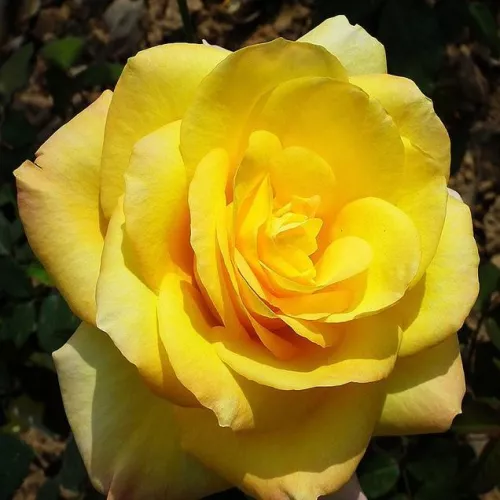
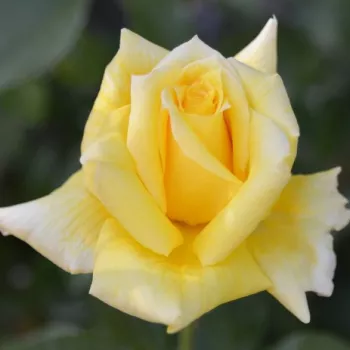
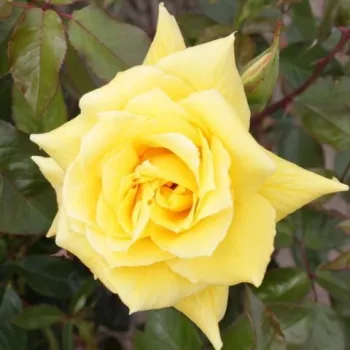
KING'S RANSOM™ – golden-yellow hybrid tea rose
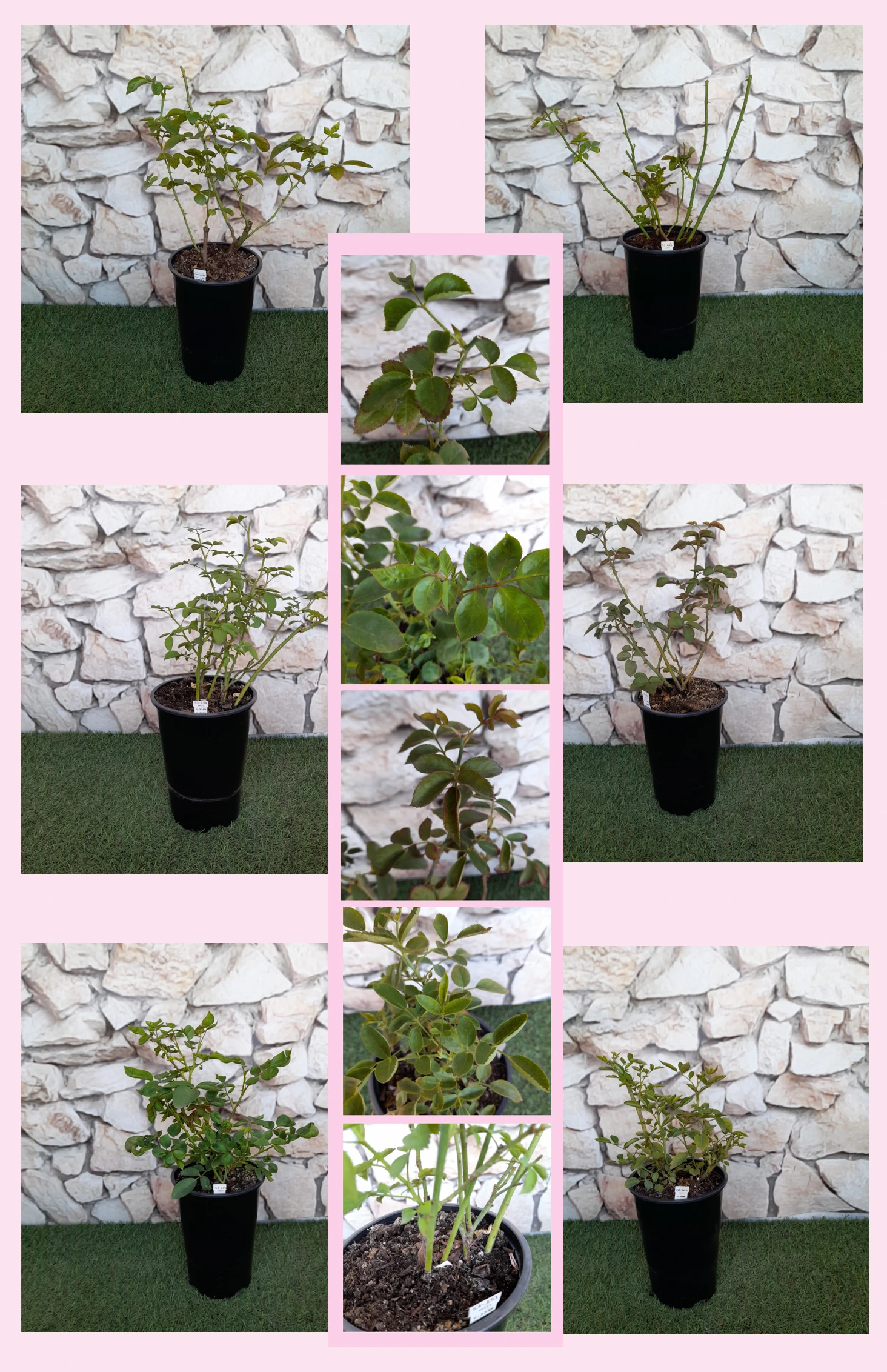
Step out after rain into the sweet, fruity fragrance of KING'S RANSOM™, a classic golden-yellow hybrid tea that feels at home in compact London front gardens as well as family borders. Its tall, upright habit and high-centred blooms offer classic cutting quality, yet this own-root form is bred for modern, lower-input care. Planted in good soil with sensible drainage, it copes reliably with blustery showers and heavy, moisture-retentive ground in many British gardens. Over time, the own-root system underpins a long-lived lifespan, steady regrowth after pruning, and reassuring stability in changing weather. Give it sun, a medium-sized space and regular deadheading, and you can expect strong roots in year one, confident shoots in year two and full ornamental impact by year three – a sustainable, rewarding choice for busy households.
Usage options
| Target area | Reasoning |
|---|
| Sunny front-garden feature |
The tall, upright hybrid tea form creates an elegant focal point beside a front door or path, giving structure without taking excessive space, ideal where a single, well-behaved plant is needed for clear visual impact for homeowners. |
| Cutting patch or allotment row |
High-centred, long-stemmed blooms deliver classic cutting quality, so one or two plants can supply fragrant, golden-yellow stems for vases, making it appealing for small-scale home floristry for hobby-gardeners. |
| Pollinator-friendly mixed border |
Although the flowers are fully double, the strong scent and repeated flushes pair well with nectar-rich companions such as lavender and sage, helping create a more wildlife-aware planting for urban-gardeners. |
| Rainwater-wise family bed |
In well-prepared soil with modest drainage, its moderate disease resistance and steady growth make it a good candidate for beds irrigated mainly by stored rainwater, managing heavier, moisture-holding conditions for sustainability-minded. |
| Own-root, long-term planting |
The own-root plant builds its own framework rather than relying on a graft, helping maintain flowering quality and shape over many years, with less worry about suckers and graft failure for long-term-planners. |
| Regenerative pruning regime |
Strong, upright shoots respond well to periodic harder pruning, allowing tired stems to be renewed and the plant to recover predictably from weather damage or shaping cuts for busy-owners. |
| Compact hedge or row |
When spaced more closely, its consistent height and repeat flowering can create a low, formal row that marks boundaries or edges while still offering colour and scent through the season for design-conscious. |
| Large container on balcony or terrace |
In a 40–50 litre peat-free container with regular watering, it performs as a vertical accent, and its reliable flowering means strong ornamental return from a single specimen, particularly useful where ground space is limited for balcony-gardeners. |
Styling ideas
- Golden-Path – line a narrow front path with KING'S RANSOM™ underplanted with low lavender for fragrance and soft edging – ideal for city terraces seeking calm formality.
- Cutting-Corner – group two or three plants with nepeta and sage in a sunny back corner to supply vases and support beneficial insects – suited to hobby florists and beginners.
- Sunrise-Statement – place a single specimen by a doorway with dark-leaved Cotinus behind for dramatic contrast – perfect for homeowners wanting instant front-garden presence.
- Balcony-Focus – grow one plant in a 50-litre container with trailing thyme at the rim to soften the pot and maximise scent near seating – great for small-space urban gardeners.
- Family-Border – mix through a classic herbaceous border with campanula and ornamental grasses for extended colour and a gentle, structured backdrop – for families after low-fuss elegance.
Technical cultivar profile
| Parameter | Data |
|---|
| Name and registration |
Hybrid tea rose, registered as King’s Ransom, marketed as KING'S RANSOM™; exhibition-quality blooms suitable for cut-flower shows as well as ornamental garden use. |
| Origin and breeding |
Bred by Dennison H. Morey for Jackson & Perkins Co. in the United States from ‘Golden Masterpiece’ × ‘Lydia’, introduced and registered in 1961 as a golden hybrid tea. |
| Awards and recognition |
All-America Rose Selections winner in 1962, reflecting its garden performance, flower form and impact in North American trials, and supporting its continuing reputation among classic yellow roses. |
| Growth and structural characteristics |
Upright habit reaching about 130–170 cm high and 60–90 cm wide, densely thorned stems and moderately dense, glossy dark green foliage that provides a solid vertical accent in mixed plantings. |
| Flower morphology |
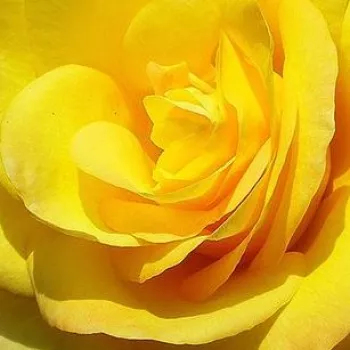
Large, double, high-centred blooms on mainly solitary stems, with approximately 26–39 petals, classic pointed hybrid tea buds and a remontant nature giving a strong second flush of flowers. |
| Colour data and phenology |
Deep, uniform golden-yellow flowers, RHS 14A–14B, holding colour well even in strong sun; petals age slowly to a clear lemon-yellow, with minimal fading across repeated flushes in the season. |
| Fragrance and aroma |
Strongly scented variety with a sweet, fruity rose fragrance noticeable both in the garden and when cut for the vase, contributing significantly to sensory impact in smaller outdoor spaces. |
| Hip characteristics |
Sparsely produced, ellipsoidal rose hips around 10–14 mm in diameter, orange-red when ripe, generally of minor ornamental significance compared with the showy golden-yellow flowers. |
| Resistance and winter hardiness |
Moderate overall disease resistance with good tolerance to powdery mildew, moderate black spot and rust; hardy to approximately −21 to −18 °C (RHS H7, USDA Zone 6b, Swedish Zone 3). |
| Horticultural recommendations |
Best in full sun with well-prepared soil; medium maintenance including deadheading and occasional plant protection, spacing 45–85 cm depending on use and 3.6–4.1 plants/m² for mass plantings. |
KING'S RANSOM™ offers tall, fragrant golden blooms with reliable cutting quality, long-term own-root resilience and regenerative growth, making it a thoughtful choice for gardeners seeking enduring structure and scent.