KÖNIGIN VON DÄNEMARK – pink historic Alba rose - Booth
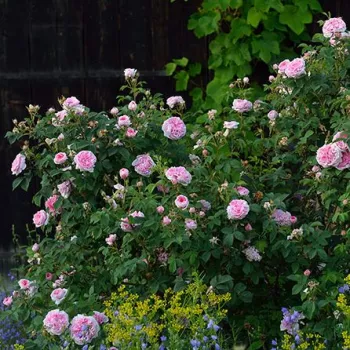
Step into the composed charm of a historic front garden with the softly blushed blooms of heritage rose Königin von Dänemark, a time‑tested Alba that thrives in typical British conditions, even where cooler, damp air and clay soil meet regular rain. Its bushy, almost thornless growth offers reassuring ease for everyday care, while own‑root planting supports long‑term resilience and graceful regrowth after pruning. Once‑a‑year, mid‑season flowers arrive in a single, generous flush, filling the air with a classic, very strong fragrance that evokes traditional cottage gardens. Over the first seasons it steadily knits into your planting – roots establishing in year one, framework building in year two, and full ornamental presence by year three – giving a balanced, lasting feature for a sustainable, rain‑friendly streetscape or family plot. Ideal for low‑thorn hedges, relaxed shrub beds and fragrant specimens by a front door or path.
Usage options
| Target area | Reasoning |
|---|
| Fragrant focal point by front door or path |
The once‑a‑season flush is concentrated and spectacular, with very strongly scented, classic rosettes that perfume the whole approach to your home without demanding year‑round deadheading cycles, suiting busy beginners. |
| Low‑thorn family hedge along front boundary |
Its bushy habit, almost thornless stems and 120–180 cm height make a gentle, family‑friendly hedge that defines a boundary while remaining easy to clip and safe near pavements and prams, ideal for a family gardener. |
| Rain‑friendly London terraced‑house front garden |
The dense but airy shrub structure copes reliably with typical urban wind and showers, helping anchor planting in small front plots that must handle frequent rain and heavier soils, reassuring for the city homeowner. |
| Mixed historic rose bed in a modest family garden |
As an Alba–Centifolia historic rose, it contributes heritage character and soft pink tones, pairing especially well with perennials like calamint or coral bells for a layered, traditional look enjoyed by the romantic gardener. |
| Own‑root long‑term feature shrub |
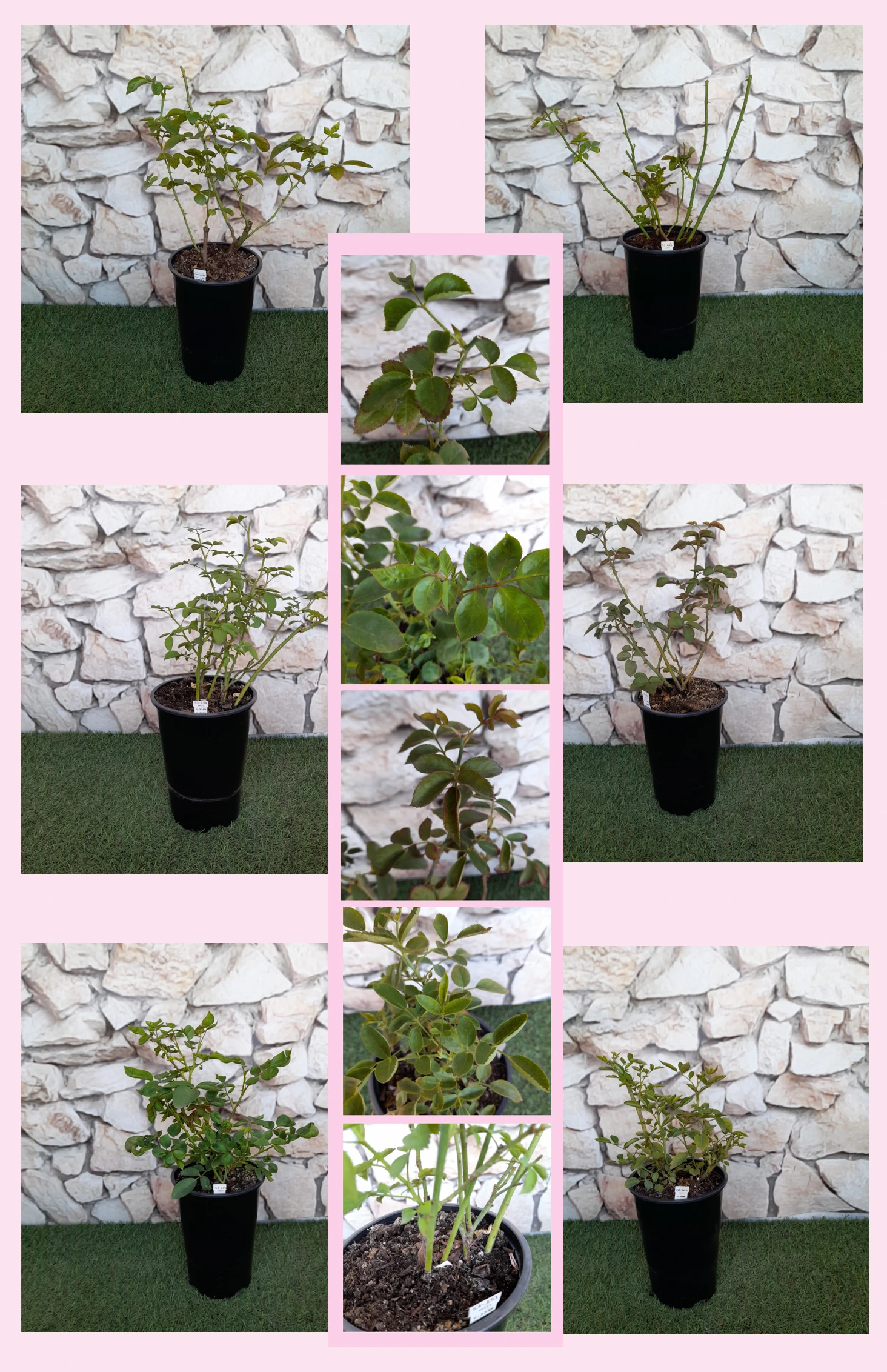
Supplied on its own roots, the plant can regenerate from the base after hard pruning or winter damage, avoiding graft failures and supporting a long, stable life in one spot for the patient long‑view owner. |
| Clay‑tolerant shrub in improved heavy soils |
Once planted into a well‑prepared, free‑draining pocket, its hardy, medium‑maintenance nature suits many UK gardens where heavier clays dominate, providing reliable structure after wet winters for the practical problem‑solver. |
| Partial‑shade side return or north‑east aspect |
Its tolerance of partial shade allows planting where many modern roses sulk, such as side passages and overlooked corners, giving useful height, foliage and one rich flowering season to reward the hopeful space‑maker. |
| Large container on balcony or paved front area |
In a generous 40–50 litre peat‑free container with good drainage, this medium, bushy shrub brings period charm and strong scent to paved, rainwater‑fed spaces, working well for the container‑focused urban gardener. |
Styling ideas
- Terrace‑Welcome – Flank a London terrace front step with two shrubs underplanted with Heuchera for year‑round foliage – perfect for scent‑loving city homeowners.
- Soft‑Hedge – Plant a loose, almost thornless hedge along a front boundary, interweaving nepeta for a cloud of blue in front – ideal for families wanting gentle boundaries.
- Historic‑Bed – Combine with other historic roses and glandular calamint to create a romantic, pastel shrub bed – suited to heritage‑minded beginners.
- Shaded‑Corner – Use in partial shade with ferns and coral bells to soften a side return that rarely sees full sun – good for making the most of awkward spaces.
- Container‑Courtyard – Grow one plant in a 50‑litre pot with free‑draining, peat‑free compost, underplanted with low calamint to spill scent over paving – ideal for balcony and courtyard gardeners.
Technical cultivar profile
| Parameter | Data |
|---|
| Name and registration |
Königin von Dänemark, historic Alba–Centifolia shrub rose; commercial historic, alba rose group, ARS exhibition name ‘Queen of Denmark’; unregistered but widely established in collections. |
| Origin and breeding |
Selected by James Booth from a seedling of ‘Great Maiden’s Blush’ (R. × alba); bred in Flottbeck, then Denmark, now Hamburg, around 1816 and introduced commercially by James Booth & Sons in 1826. |
| Awards and recognition |
Holds the Royal Horticultural Society Award of Garden Merit (1993), confirming dependable performance, ornamental value and robustness under typical UK conditions in ordinary, well‑managed family gardens. |
| Growth and structural characteristics |
Bushy, medium to tall shrub reaching about 120–180 cm high and 100–160 cm wide, with moderately dense, matt grey‑green foliage and almost thornless shoots; moderate self‑cleaning, some deadheading helpful. |
| Flower morphology |
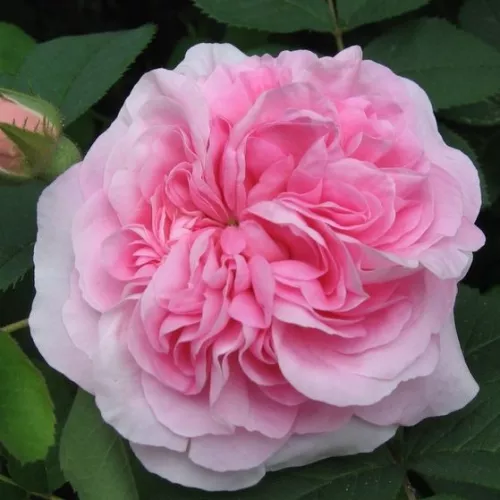
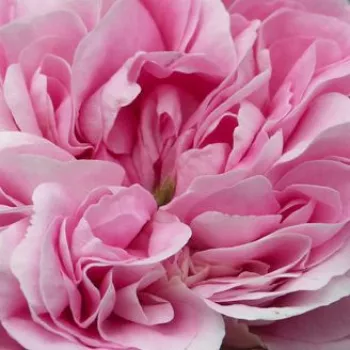
Large, very full, rosette‑shaped blooms with more than 40 petals, produced mainly as solitary flowers; once‑flowering in a single main summer flush rather than repeating through the season. |
| Colour data and phenology |
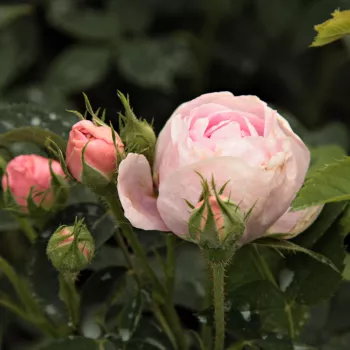
Pale, powder‑pink flowers, ARS Lp; outer petals RHS 65D, inner 65C; buds softly green‑tinged, opening mid‑pink then fading almost to white, with quicker lightening in strong sun and richer colour in cooler weather. |
| Fragrance and aroma |
Very strongly scented, classic old‑rose perfume that can fill the surrounding garden area in peak bloom, widely appreciated for its full‑bodied character and suitability as a fragrant cut flower for the home. |
| Hip characteristics |
Hip set is generally sparse due to very double flowers; when present, produces small, egg‑shaped orange‑red hips about 14–22 mm in diameter, adding occasional discreet autumn interest among the foliage. |
| Resistance and winter hardiness |
Hardy to about −32 to −29 °C (RHS H7; USDA 4b; Swedish zone 5); disease resistance moderate, with some susceptibility to black spot, powdery mildew and rust in humid summers, especially without routine care. |
| Horticultural recommendations |
Best as specimen, hedge or park shrub at 80–160 cm spacing; medium maintenance, needing seasonal feeding and pruning; tolerates partial shade and prefers well‑drained yet moisture‑retentive soil improved before planting. |
KÖNIGIN VON DÄNEMARK offers classic scent, gentle, almost thornless growth and long‑term stability from its own‑root form, making it a reassuring historic choice for those refining a small, sustainable garden.