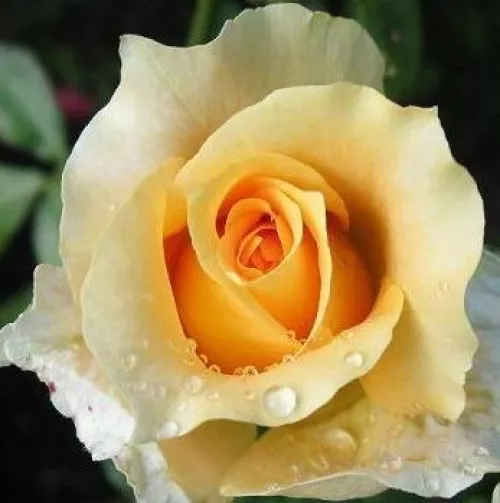
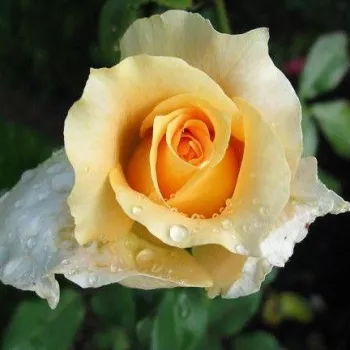
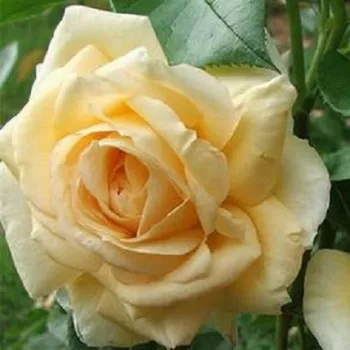
BANKSIAE ALBA – white species rose – Kerr
Step through your front gate after rain and be greeted by cloudlike clusters of tiny double blooms: BANKSIAE ALBA brings a sense of calm balance to compact London-style plots while coping reliably with exposed, breezy, moisture-laden conditions in town. This historic botanical rambler, introduced to Kew in 1807, clothes walls, arches and narrow side passages in soft, snow-white blossom, its almost thornless stems kinder to busy, shared spaces. As an own-root rose it offers quiet longevity, rebuilding itself from the base if stems are pruned hard or damaged, so you can let it mature as a permanent green framework. In a peat-free planting hole with good drainage, it will establish steadily, first focusing on roots, then building generous shoots, before delivering its full show of spring flowers from about the third year. Once settled, its moderate maintenance and naturally tidy, self-shedding clusters make it a graceful, low-fuss choice for sustainable entrances.
Usage options
| Target area | Reasoning |
|---|
| London terraced-house front garden |
Trains flat against brick or railings without stealing precious floor space, creating a light, airy curtain of white in late spring. Own-root vigour gives a long-lived, structural backdrop for evolving small-space designs, ideal for the busy urban gardener. |
| Arbour or pergola over a path |
Its long, flexible, almost thornless stems are easy to guide over arches and pergolas, forming a romantic, scented tunnel of blossom. Moderate self-cleaning keeps walkways relatively tidy after flowering, suiting the family garden owner. |
| Wall-trained on warm, sheltered aspects |
Performs especially well on south or west-facing walls, where warmth encourages abundant clusters of small pompon blooms. Once established, maintenance is mostly light training and occasional thinning, attractive to the low-maintenance seeker. |
| Rainwater-conscious urban planting |
Pairs well with permeable gravel, brick or planting pockets, allowing rainfall to soak away while its woody framework clothes vertical space. This suits front gardens designed to manage frequent wet and windy periods in a soft, natural way for the sustainability-minded homeowner. |
| Large container (40–50 litre minimum) |
Can be grown in a substantial container where ground planting is limited, provided drainage is free and watering is regular in dry spells. Own-root growth recovers well from occasional container stress, reassuring the balcony and patio gardener. |
| Informal cottage-style mixed border |
Looks at home with mint, campanula and airy perennials along a boundary, its once-a-year snowstorm of bloom giving a strong seasonal highlight. Woody, long-lived structure provides vertical rhythm without constant pruning, suiting the romantic style enthusiast. |
| Family-friendly play garden edge |
Almost thornless stems reduce the risk of snags beside paths and play areas, while height keeps most growth above small hands. After establishment, care focuses on an annual tidy, aligning with the time-pressed parent gardener. |
| Coastal or wind-exposed sites |
Handles breezy, moisture-laden air with moderate disease resistance, especially when given sun and good airflow, making it a dependable choice where wetter, windier days are common. Its durability brings peace of mind to the practical garden planner. |
Styling ideas
- Soft-arch welcome – Train over a simple metal arch above the front path with lavender or nepeta at the base for a gently scented, “girly” entrance – ideal for the style-conscious city dweller
- White-on-brick – Fan branches across London stock brick with calamintha and bellflowers at ground level for a luminous, textural wall – for homeowners enhancing narrow side returns
- Rain-kissed railings – Weave along front railings above a permeable gravel strip, teamed with low herbs to let rain soak in where it falls – perfect for sustainable front-garden renovators
- High-canopy hideaway – Let stems sweep over a timber pergola with shade-tolerant underplanting beneath, creating a light, leafy canopy – suited to families seeking a calm outdoor retreat
- Large-pot elegance – Grow in a 50‑litre container by the doorstep with airy blue perennials for a refined, movable focal point – appealing to balcony and small-patio gardeners
Technical cultivar profile
| Characteristic | Data |
|---|
| Name and registration |
Rosa banksiae alba plena, marketed as Rosa banksiae alba Botanical rose Kerr; a historic Banksiae-species rambler, classified within botanical roses and used mainly as a climbing, wall-trained garden rose. |
| Origin and breeding |
Species-derived selection from Rosa banksiae, introduced to the United Kingdom via Kew Gardens by William Kerr in 1807, representing one of the earliest Chinese climbing roses acclimatised to European gardens. |
| Awards and recognition |
Holds the RHS Award of Garden Merit, indicating reliable performance, good ornamental impact and garden-worthiness under typical UK conditions when grown with appropriate support and basic care. |
| Growth and structural characteristics |
Strong, climbing growth reaching about 4–8 m high with a 2–4 m spread; flexible, almost thornless canes and moderately dense, mid-green, slightly glossy foliage that forms a long-lived, woody framework. |
| Flower morphology |
Bears many small, globular pompon flowers, 0.5–1.5 inches across, very double with 40+ petals, produced in clusters once per season, creating a concentrated, showy flush in late spring to early summer. |
| Colour data and phenology |
Pure snow-white flowers with a silky sheen, RHS 155C inside and out; buds open cream-white then hold colour well, with only slight browning on ageing petals, contributing to a clean, luminous display. |
| Fragrance and aroma |
Delicately floral, mild fragrance that perfumes close-up spaces without overwhelming; best appreciated along paths, doorways or seating areas where flowering clusters can be enjoyed at eye or head height. |
| Hip characteristics |
Hip set is generally sparse due to the very double flowers; when present, produces small, spherical orange hips around 4–8 mm in diameter, adding discreet late-season detail without heavy seeding. |
| Resistance and winter hardiness |
Hardy to about −21 to −18 °C (RHS H7, USDA 6b, Swedish zone 3); shows moderate resistance to black spot, mildew and rust, benefiting from sunny, airy sites and avoidance of prolonged waterlogging. |
| Horticultural recommendations |
Best in sun or light shade against supports; plant with 1.8–3.3 m spacing, in well-drained, preferably peat-free soil; prune mainly to train and thin older wood, and water during extended dry spells. |
BANKSIAE ALBA offers graceful once-a-year white blossom, space-saving vertical cover and long-lived own-root reliability; consider it if you would like a quietly enduring feature for your garden.