LANCÔME – pink hybrid tea rose – Delbard
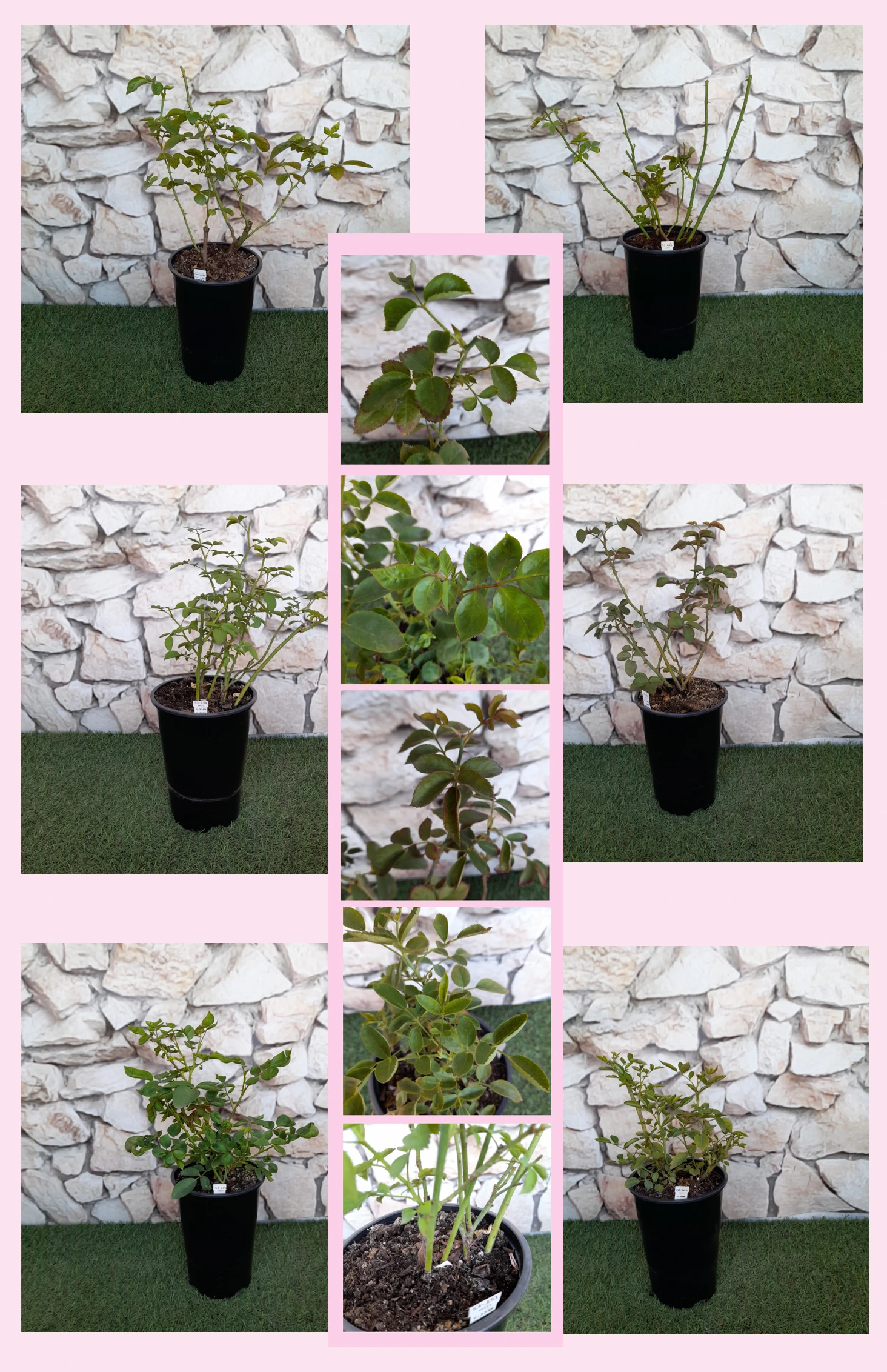
Imagine stepping out after rain to a path lined with fuchsia blooms: LANCÔME brings a sense of balance to compact London front gardens with its neat, upright habit, elegant cut-flower blooms and gently perfumed air. Bred by Delbard, this classic hybrid tea offers reliably remontant flowering on a modest footprint, ideal where you are managing heavy soil and unpredictable showers in a small urban space. On its own roots it builds a long-lived, resilient framework, steadily increasing in flowering strength as roots establish, then top growth matures and finally the shrub reaches full ornamental impact. Container-grown in a 2-litre pot, it is straightforward to plant into improved clay or a large 40–50 litre container, giving you lasting elegance with minimal fuss.
Usage options
| Target area | Reasoning |
|---|
| London terraced-house front garden |
Compact height and tidy upright growth allow LANCÔME to sit gracefully behind a low fence or railing, adding year-round structure and summer colour without overwhelming narrow beds, for busy urban garden owners. |
| Feature rose in a large container |
In a 40–50 litre pot with peat-free compost and good drainage, LANCÔME’s strong roots and moderate size make it easy to manage on steps, patios or balconies while still giving classic, high-centred flowers for beginners seeking pollinator-friendly choices. |
| Cut-flower corner in a family garden |
High-centred, exhibition-style blooms on straight stems are ideal for vases, so a small clump near the kitchen door provides regular, easy-to-pick flowers with a gentle scent for homeowners who enjoy simple garden tasks. |
| Low-maintenance clay or chalk border |
Once planted into improved heavy soil, this disease-resistant shrub needs only basic pruning and feeding, coping well with typical suburban clay or chalk and reducing spraying needs for those who value sustainable choices. |
| Rainwater-conscious front garden scheme |
Placed in slightly raised, free-draining planting pockets, LANCÔME tolerates frequent showers and breezy conditions common in exposed streets, fitting neatly into rain-conscious designs for urban sustainability-minded gardeners. |
| Evergreen-and-rose structure planting |
Its upright, moderately dense framework pairs well with small evergreens, giving backbone in winter and colourful flowers in summer, remaining attractive for years thanks to stable, own-root growth for gardeners planning for the long term. |
| “Girly” pink entrance bed |
Vibrant fuchsia-pink flowers combine beautifully with silver foliage and soft pastels, creating a cheerful, feminine welcome near the front door with little more than annual pruning for style-conscious city dwellers. |
| Year-by-year developing family rose |
After planting, it concentrates on roots in the first season, then puts on stronger shoots in year two and reaches its full flowering and display by year three, rewarding patience for new rose growers wanting dependable results. |
Styling ideas
- Classic-Entrance – Line a short path with three LANCÔME bushes underplanted with low lavender for a fragrant, formal approach – ideal for homeowners wanting timeless kerb appeal.
- Balcony-Boudoir – Grow a single plant in a 50 litre pot with trailing thyme and soft pink pelargoniums to create a glamorous, compact cut-flower source – perfect for flat dwellers with limited space.
- Pink-Panel – Combine LANCÔME with nepeta and silvery sage in a narrow border for an easy-care, textural look that softens hard front-garden boundaries – suited to busy urban professionals.
- Evergreen-Frame – Alternate LANCÔME with small box or dwarf yew to build a simple, long-lived structure where the roses provide seasonal colour – good for families wanting order without high maintenance.
- Romantic-Corner – Place LANCÔME by a bench with a single clematis weaving through for vertical interest and repeat flowering – appealing to those seeking a calm, pretty retreat outdoors.
Technical cultivar profile
| Parameter | Data |
|---|
| Name and registration |
Hybrid tea rose; registered as DELboip, marketed as Lancôme Hybrid tea rose DELboip; ARS exhibition name Lancome; own-root, container-grown for garden and cut-flower use. |
| Origin and breeding |
Bred by Georges Delbard, France, 1973, introduced 1986; complex parentage including Dr. Albert Schweitzer and Michèle Meilland lines, selected for refined flower form and reliable garden performance. |
| Growth and structural characteristics |
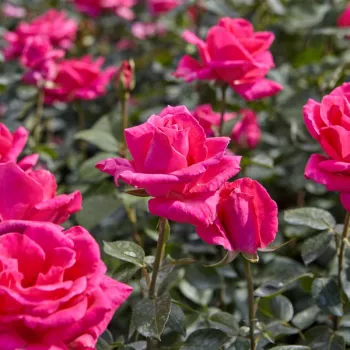
Medium-sized, upright bush 80–105 cm tall and 50–70 cm wide; moderately dense, dark green, slightly glossy foliage; sparsely thorned stems, best grown as a well-spaced specimen or in small groups. |
| Flower morphology |
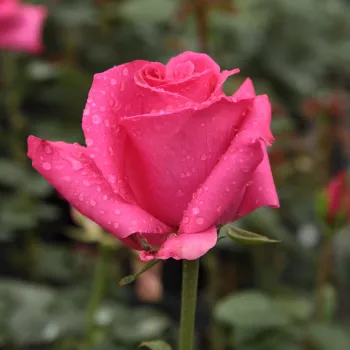
Double, high-centred hybrid tea blooms with 26–39 petals on mainly solitary stems; medium flower size, classic pointed buds and good repeat, producing a generous second flush in suitable conditions. |
| Colour data and phenology |
Rich fuchsia-pink flowers (RHS 57A–57B), deeper in bud and towards petal bases; colour may soften slightly in strong sun, ageing to pale raspberry pink while retaining an overall bright, cheerful appearance. |
| Fragrance and aroma |
Mild, delicately scented rose fragrance; not overpowering near doors or seating areas but pleasant when blooms are cut for indoor arrangements, adding a gentle cosmetic-style note to vases and small bouquets. |
| Hip characteristics |
Hip set usually light due to double flowers; occasionally forms small ovoid orange-red hips 10–14 mm across, which can add a modest decorative element in late season if some blooms are left uncut. |
| Resistance and winter hardiness |
Good resistance to black spot, powdery mildew and rust under typical garden conditions; hardy to around −21 to −18 °C (RHS H7, USDA 6b), with moderate heat tolerance if watered during dry periods. |
| Horticultural recommendations |
Best in full sun, fertile, well-drained soil; suitable for beds, low hedging, containers and cutting. Plant at 50–90 cm spacing, water deeply in dry spells, and lightly prune annually to renew flowering wood. |
LANCÔME – pink hybrid tea rose – Delbard offers refined cut-quality flowers, compact upright growth and disease resistance in a long-lived own-root form, making it a thoughtful choice for enduring garden elegance.