LANDLUST ® – yellow-pink bedding shrub rose - Kordes
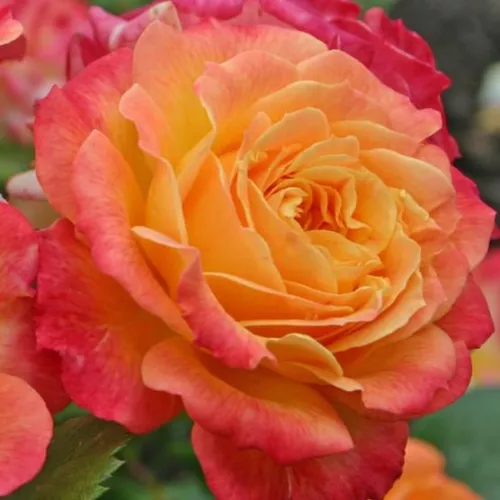
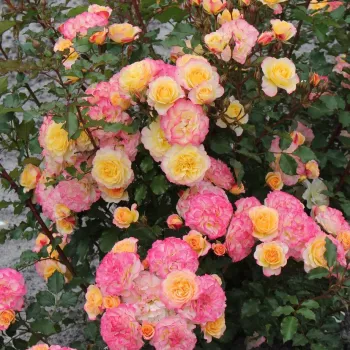
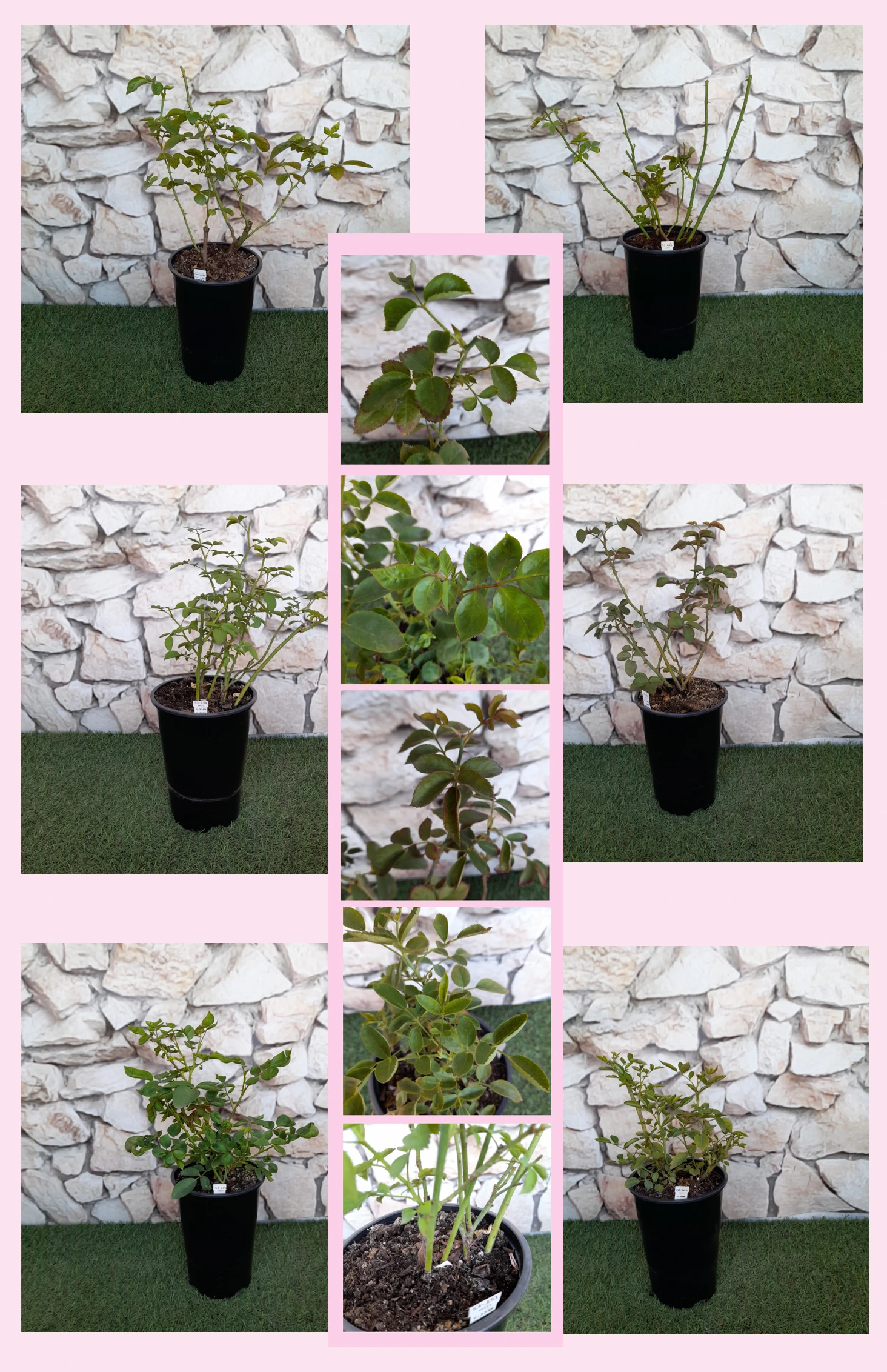
Step out to your front garden after rain and LANDLUST greets you with a calm, meadow-like atmosphere, its semi-double cups flushed in sunset shades of yellow and pink, quietly balancing London brick and paving. This modern shrub rose was bred for reliable flowering and practical hedges that cope well with typical British weather, including breezy, damp spells and humidity that can challenge less resilient varieties. As an own-root plant, it offers long-term stability and the reassuring ability to regenerate from its base if winter or pruning are a little harsher than planned. In its first year it concentrates on roots, in the second you will notice stronger shoots, and by the third season it reaches its full ornamental impact, creating a sustainable, low-fuss sanctuary for everyday family life.
Usage options
| Target area |
Reasoning |
| Low-maintenance flowering hedge for a terraced-house front garden |
The upright, bushy habit and 100–140 cm height make LANDLUST ideal for a soft, flowered boundary that screens cars and pavements without feeling overbearing. Regular clusters of semi-double blooms keep the hedge interesting from early summer to autumn with only modest shaping and seasonal feeding, suiting busy urban householders. |
| Small family flowerbed with relaxed, “girly” colour scheme |
The warm golden-yellow centres and pink-edged petals give a romantic, dress-like colour effect that blends easily with soft perennials and ornamental grasses. Semi-double, cluster-flowered heads read as generous from a distance, creating a pretty, gently feminine feel children and adults can enjoy together, perfect for informal family gardeners. |
| Pollinator-aware mixed border in a city garden |
Semi-double flowers with 13–25 petals offer moderate pollen and nectar access, so while not the top wildlife choice, LANDLUST still plays a part in a pollinator-aware planting. Combined with open-flowered herbs like lavender or nepeta, it contributes colour depth and structure within an overall wildlife-friendly scheme, appealing to eco-conscious beginners. |
| Rainwater-conscious front garden with improved drainage |
Planted into well-prepared soil with added grit or organic matter, LANDLUST copes reliably with the heavier clays and downpours typical of many UK streets, where paving and roofs shed water quickly. This supports front gardens that slow and absorb rain, turning small plots into practical sponge-like planting for urban sustainability enthusiasts. |
| Long-lived, easy-care shrub for low-intervention gardeners |
Grafted stock is absent here: as an own-root shrub, the plant keeps its true character even if cut back hard, reducing worries about suckers and replanting. With hardy top growth rated around H7 and solid disease resistance to black spot, it offers reassuring continuity for those who prefer light-touch maintenance, suiting time-poor homeowners. |
| Container feature on a balcony or paved patio |
LANDLUST adapts well to large containers of at least 40–50 litres, where its bushy structure and dense foliage form a compact, colourful screen. Using peat-free compost and watering mainly with collected rainwater keeps the planting both rose-friendly and environmentally responsible, making it highly attractive to space-limited city dwellers. |
| Season-long colour anchor in a mixed planting |
As a remontant variety, LANDLUST produces strong second and later flushes, keeping beds from looking flat after early perennials fade. Group planting at around 3–4 plants per square metre knits colour across the border, bringing continuity and rhythm that tie together salvias, grasses and groundcovers for design-conscious amateurs. |
| Cutting stems for small indoor arrangements |
The large, cup-shaped blooms on clustered stems lend themselves to short vases and jam-jar posies, adding a country-style look even in compact homes. Though fragrance is delicate, the visual warmth of the salmon, apricot and creamy-yellow tones easily brightens kitchens and hallways, delighting home-decor enthusiasts. |
Styling ideas
- Cottage-Ribbon Hedge – Run a single or double LANDLUST line along a front path, threading between lavender and nepeta to soften brickwork – ideal for relaxed, scent-aware city gardeners.
- Sunset Swirl Border – Combine with warm-toned grasses like Stipa tenuissima and soft pink perennials to echo its golden-yellow and salmon-pink blooms – perfect for lovers of hazy, romantic planting.
- Rain-Garden Edge – Plant LANDLUST on the slightly raised edge of a raingarden swale with moisture-tolerant companions to manage roof runoff – suited to sustainability-focused homeowners.
- Balcony Meadow Pot – In a 50-litre container, underplant LANDLUST with trailing thyme and dwarf honeysuckle to create layered greenery – great for small-balcony gardeners wanting depth and privacy.
- Gentle Family Corner – Group three shrubs with Artemisia and low grasses to make a soft play-side backdrop, avoiding harsh thorns right at the edge – helpful for families seeking child-friendly structure.
Technical cultivar profile
| Parameter |
Data |
| Name and registration |
Modern shrub rose, registered as KORtuberlou, marketed as Landlust ® Heckenzauber®, exhibition name Landlust; part of the Heckenzauber® collection, classified commercially as a bed and flowerbed shrub rose. |
| Origin and breeding |
Bred by Tim-Hermann Kordes at W. Kordes’ Söhne, Germany, from ‘Golden Fairy Tale™’ × unknown seedling; introduced and registered in 2015, continuing the firm’s focus on robust garden shrub roses. |
| Awards and recognition |
Highly decorated cultivar with major awards including Golden Rose Kortrijk and People’s Choice Monza (2013), Gold Medal Baden‑Baden and 1st Prize Lyon (2014), plus honours in Monaco and Hradec Králové. |
| Growth and structural characteristics |
Upright, bushy shrub reaching about 100–140 cm high and 65–95 cm wide, with dense, mid-green, slightly glossy foliage and moderate prickliness; forms a full, hedge-capable framework with age. |
| Flower morphology |
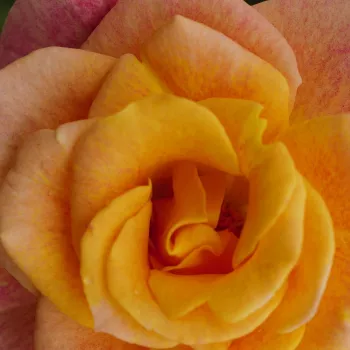
Semi-double, cup-shaped blooms with 13–25 petals, produced in clusters; large-flowered class around 7–10 cm, remontant with a notably abundant second flush that extends seasonal ornamental display. |
| Colour data and phenology |
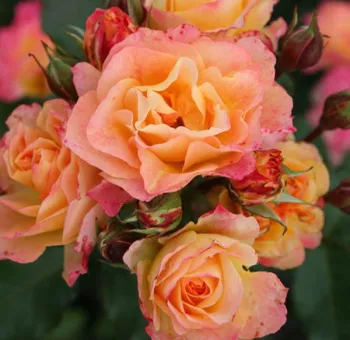
Deep golden-yellow centres with salmon-pink veiling at petal edges; buds open vivid salmon-orange with golden reverse, then fade through apricot-pink to peach and creamy yellow, giving varied tones over time. |
| Fragrance and aroma |
Delicate, classic rose scent of very weak strength, often barely perceptible in normal garden conditions; chosen more for visual presence and colour effects than for strong olfactory impact in planting schemes. |
| Hip characteristics |
Moderate crop of small, spherical red hips, around 10–14 mm in diameter, offering discreet late-season interest and light wildlife value without dominating the plant’s overall decorative character. |
| Resistance and winter hardiness |
Rated hardy to approximately −26 to −23 °C (H7, USDA 5b, Swedish zone 4); shows resistant black spot performance with moderate susceptibility to powdery mildew and rust under higher disease pressure. |
| Horticultural recommendations |
Suited to specimen, group, hedge and large-container use with medium maintenance; prefers good drainage, tolerates partial shade, and benefits from occasional pest and disease checks in humid seasons. |
LANDLUST ® offers season-long colour, dependable hedging structure and resilient own-root longevity, making it a thoughtful choice for gardeners seeking a calm, sustainable feature rose.