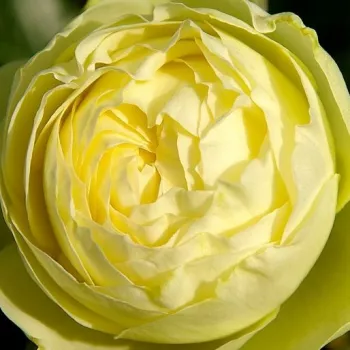
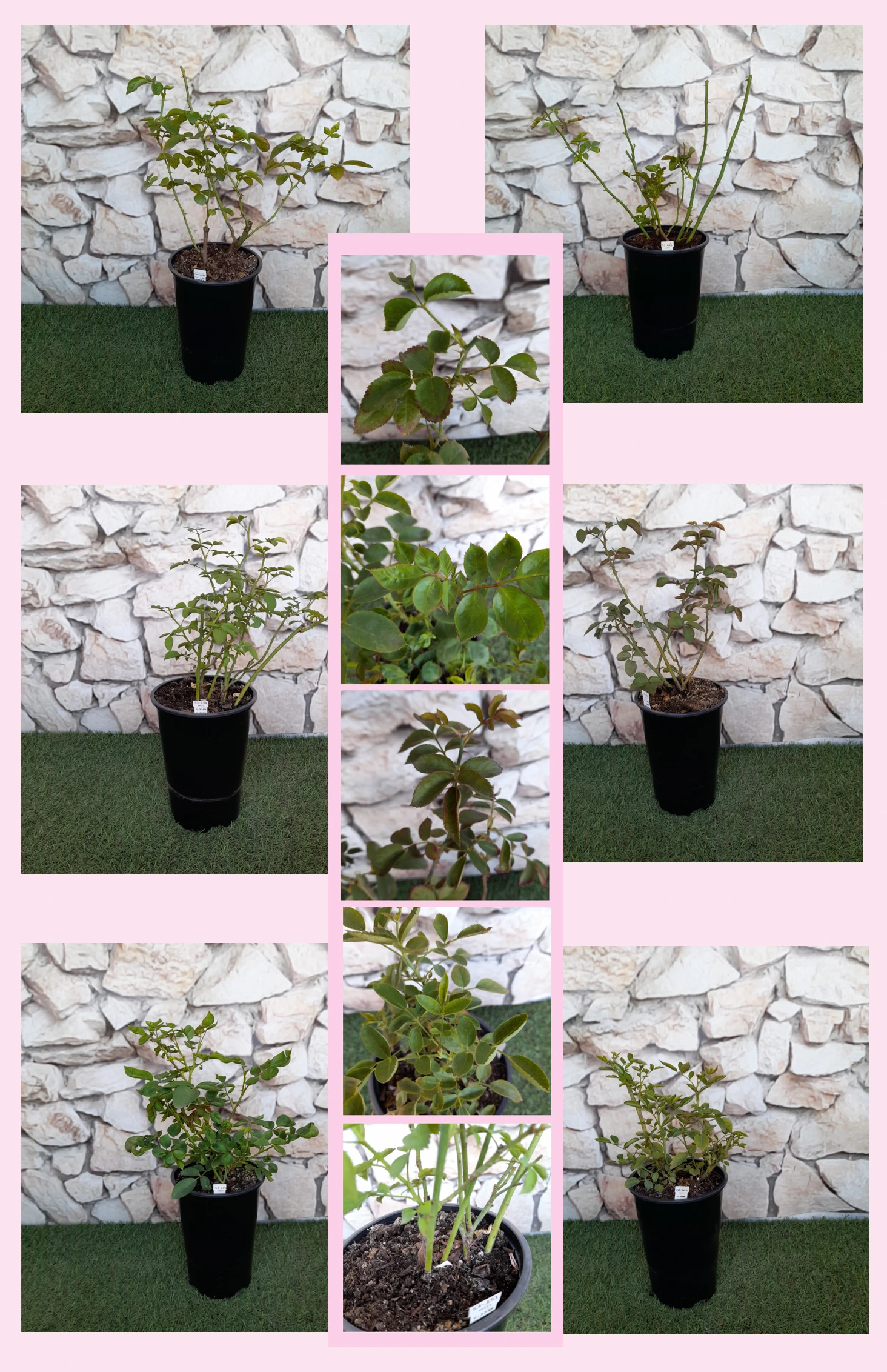
Kensie – cream-coloured hybrid tea rose – pharmaROSA® ORIGINAL 2-litre
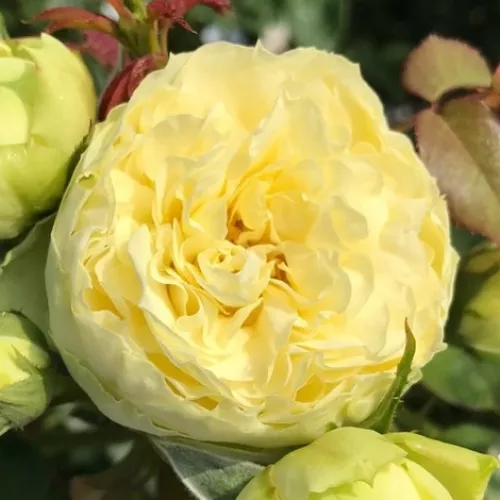
Imagine your front garden after rain: paving still damp, foliage freshly washed, and Kensie holding soft cream and lemon blooms above neat, bushy growth, thriving even where soils are heavy and winters are sharp yet summers bring frequent showers and brisk winds. This hybrid tea rose is bred for uncomplicated maintenance, with strong disease resistance and a reliable, remontant flowering habit that keeps your beds colourful from early summer well into autumn. As an own-root plant, it settles steadily and lives long, regenerating well after pruning or weather damage; in your garden it will follow a gentle rhythm of strong roots in the first year, more confident shoots in the second, and full ornamental presence from the third. Ideal for a small, rainwater-wise London terrace front, it is equally at home in a family border or a generous 40–50 litre patio pot where its serene elegance and softly fruity fragrance can be enjoyed up close with little effort from you.
Usage options
| Target area |
Reasoning |
| Low-maintenance family flower bed |
Bushy habit, neat mid-green foliage and low intervention needs make Kensie a reliable choice for busy households, providing season-long hybrid tea blooms without fussy pruning or spraying for beginners. |
| Rainwater-conscious front garden |
Performs well in typical urban soils and copes with frequent wet spells and breezy conditions, fitting naturally into a sustainable front garden where paving is broken up by planting for city-dwellers. |
| Long-lived backbone rose in a small garden |
Own-root plants build strength year on year, recovering well from harsh winters or accidental damage, giving you a stable, long-term feature rather than a short-lived gap-filler for homeowners. |
| Cut-flower corner by the front path |
Medium-sized, ball-shaped blooms on strong stems are ideal for cutting, offering a steady supply of creamy, honey-gold flowers with a light, fruity scent for small vases and kitchen jugs for flower-lovers. |
| Statement rose in a 40–50 litre container |
The compact, upright-bushy structure suits large pots where root space is ample; placed by the door, it brings structure and repeated colour with only routine watering and feeding for balcony-owners. |
| Resilient rose for cooler, exposed sites |
Hardy to approximately –25 °C with robust foliage and good disease resistance, Kensie is well suited to windy or coastal-feeling plots where tough, dependable plants are essential for coastal-gardeners. |
| Layered planting with lavender, sage or nepeta |
The calm cream-yellow flowers pair beautifully with blue and purple perennials, creating a soft “girly” palette while aromatic companions support pollinators and overall garden health for wildlife-minded. |
| Structured mixed border with autumn interest |
Remontant flowering and occasional hips carry visual interest towards season’s end, while Kensie’s tidy outline weaves easily with dogwoods and late-flowering companions for urban-gardeners. |
Styling ideas
- Terrace-Chic – Place Kensie in a 40–50 litre clay pot by a London terrace doorway, underplanted with trailing thyme to soften the rim – ideal for style-conscious city-dwellers.
- Soft-Boudoir – Combine Kensie with pale pink roses and white nepeta in a narrow front border for a “girly”, powder-soft colour story – perfect for romantic-leaning beginners.
- Rain-Garden – Set Kensie in a shallow, free-draining gravel strip catching roof run-off, flanked by lavender and sage – suited to sustainability-focused homeowners.
- Winter-Glow – Pair Kensie with Cornus sanguinea 'Midwinter Fire' and Cornus alba 'Spaethii' so creamy blooms precede glowing winter stems – attractive to four-season planners.
- Pathway-Posey – Plant a short run of Kensie along a front path, with low nepeta edging for brushing fragrance as you walk past – appealing to families who enjoy cut flowers.
Technical cultivar profile
| Property |
Data |
| Name and registration |
Kensie is a cream-coloured hybrid tea rose from the Hybrid Tea group, traded as Kensie Hybrid tea rose pharmaROSA®, with a diminutive female given-name origin and verified cultivar authenticity. |
| Origin and breeding |
Discovered in Germany in 2015 and introduced by PharmaRosa® Ltd. (Hungary), Kensie’s exact parentage is unknown, but selection focused on garden reliability rather than exhibition showing. |
| Growth and structural characteristics |
Forms a bushy shrub 100–140 cm tall and 80–110 cm wide, with moderately dense, glossy mid-green foliage and moderate thorns, suiting both mixed borders and substantial containers. |
| Flower morphology |
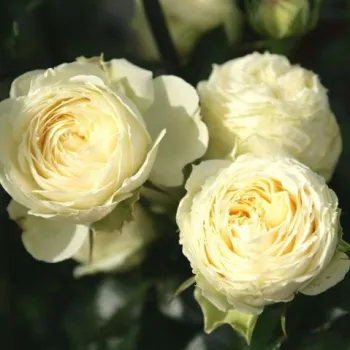
Produces medium-sized, fully double blooms with 26–39 petals in corymbose clusters, the flowers ball- to pompon-shaped and remontant, giving a generous second flush in suitable conditions. |
| Colour data and phenology |
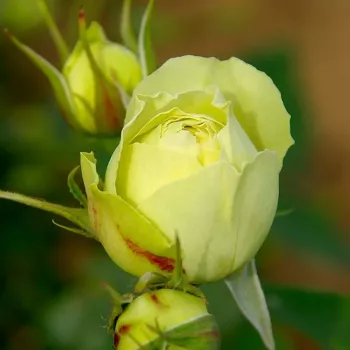
Flowers open soft golden–lemon yellow with cream-ivory outer petals, then fade through straw-yellow to near white; ARS code OPk, RHS 36B outer and 36C inner, especially luminous in light shade. |
| Fragrance and aroma |
Light, fresh, fruity fragrance with a subtle rose character; best appreciated at close range along paths or seating areas rather than as a strongly perfumed feature rose for long-distance scent. |
| Hip characteristics |
Occasionally sets small to medium hips around 10–18 mm across, providing modest late-season interest without significantly reducing the plant’s willingness to repeat flower in summer. |
| Resistance and winter hardiness |
Rated very hardy (RHS H7; USDA 5b; Swedish zone 4), tolerating approximately –23 to –26 °C, and shows strong resistance to powdery mildew, black spot and rust in ordinary garden situations. |
| Horticultural recommendations |
Best in fertile, well-drained soil; plant 55–65 cm apart in beds or as a 100 cm solitary, using 2.4–2.7 plants/m² for mass displays; suits low-maintenance flower beds and occasional cutting. |
Kensie Hybrid tea rose pharmaROSA® offers easy-care, remontant flowering and long-lived own-root reliability, making it a thoughtful choice for understated, sustainable front gardens and patios you will enjoy for years.