LEONARDO DA VINCI® – pink nostalgia rose – Meilland
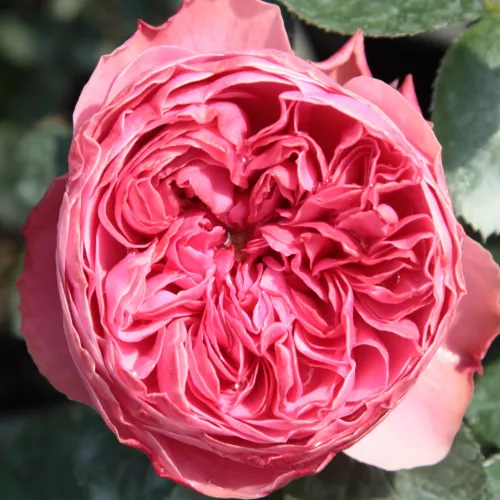
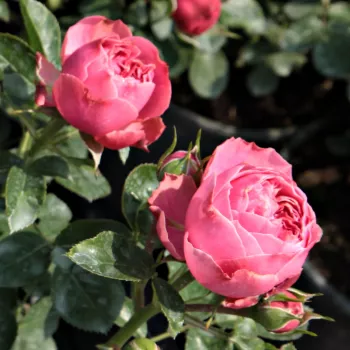
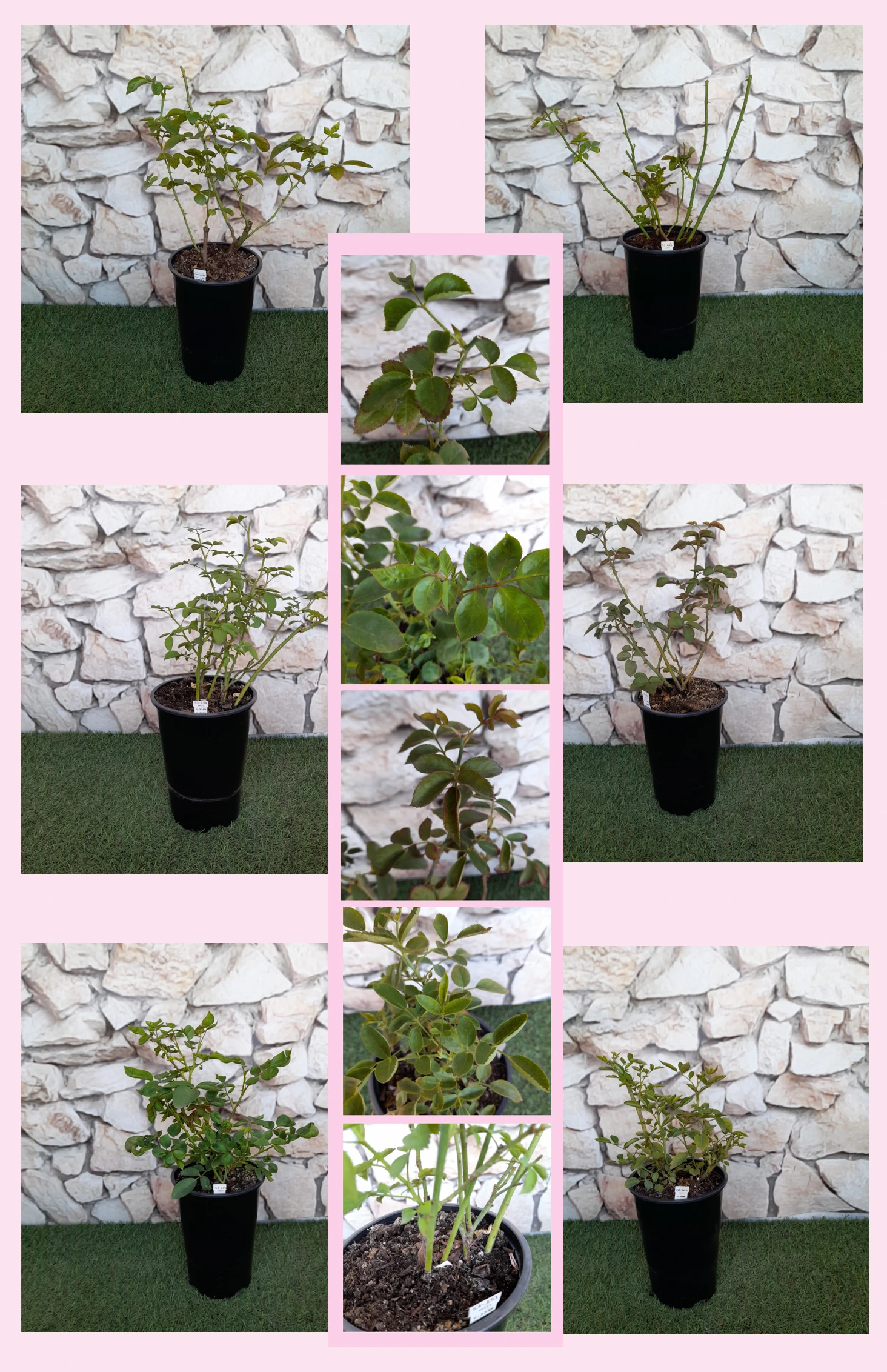
Step out after rain into a front garden that feels quietly curated: LEONARDO DA VINCI® gathers classic rosette blooms on a bushy, balanced shrub that copes steadily with wind and wet weather in typical UK streets. Its nostalgia charm comes from deeply pink, peony-like flowers that hold their colour superbly, remaining tidy on the plant until you deadhead. As an own-root rose it develops stability and long-term resilience, regrowing strongly from the base if ever cut back hard or weather-damaged. Plant once, then watch it settle: roots in year one, generous shoots in year two, and full ornamental value by year three, giving a lasting sense of balance in smaller urban plots. Ideal for rainwater-aware, low-peat front gardens, its compact, bushy habit also suits large containers from 40–50 litres, while its reliable flowering rhythm keeps the show going well into autumn.
Usage options
| Target area | Reasoning |
|---|
| Terraced-house front garden feature shrub |
The compact, bushy habit forms a neat, eye-level focal point without overwhelming a narrow front border, giving you a structured look that works with paving, gravel or low hedging, especially suited to busy urban gardeners who value ease. |
| Romantic flowering hedge along a path |
Planted at 55–65 cm spacing, the dense foliage and upright framework knit into a low hedge, with rosette flowers repeated along its length, ideal where you want soft screening and classic character but still need a manageable, family-friendly boundary for homeowners. |
| Large container on balcony or small patio |
In a 40–50 litre peat-free container, its compact roots and steady growth make it a reliable long-term pot rose, combining strong colour and tidy shape without demanding constant pruning, particularly attractive for beginners greening hard surfaces as thoughtful city-dwellers. |
| Mixed border with perennials and herbs |
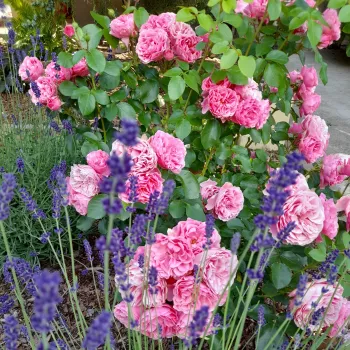
The medium height and stable pink colour blend easily with lavender, nepeta, rosemary or lady’s mantle, helping you build an informal, “girly” cottage-style border that still reads as calm and organised, well suited to hobby gardeners seeking harmony. |
| Rainwater-focused, low-lawn front garden |
Works well in permeable, mulched beds that collect and slow rain runoff from paths and drives, pairing with sedum and other drought-tolerant companions to support greener drainage choices in town streets, appealing to sustainability-minded gardeners who prioritise responsibility. |
| Low-maintenance family garden staple |
Once established, its bushy framework and reliable reflowering need only seasonal feeding, mulching and basic deadheading, giving long seasons of bloom without specialist pruning skills, a strong fit for busy families looking for dependable colour with minimal effort. |
| Colour-fast accent in sunny beds |
The flowers hold their deep pink remarkably well, even in bright sun, so the planting keeps its designed colour palette for longer, reducing the risk of washed-out borders and supporting confident scheme planning for design-aware but time-poor beginners. |
| Cold-exposed and coastal-influenced gardens |
With H7 hardiness and a tough shrub framework, it rides out frosty winters and blustery, rain-laden weather in many exposed UK spots, providing a resilient structural rose for those who need reliability before rarity, especially practical for coastal or northerly gardeners. |
Styling ideas
- Romantic-Frontage – Underplant with Alchemilla mollis and low lavender in a small front bed for a soft, “girly” welcome – ideal for homeowners refreshing a traditional terraced-house entrance.
- Urban-Pot – Place one plant in a 50-litre clay pot with gravel mulch, flanked by herbs, to green a paved doorstep – perfect for balcony and patio gardeners with limited soil.
- Path-Hedge – Repeat at 55 cm spacing along a front path with a gravel strip for drainage – suited to families wanting a neat, romantic walkway to the door.
- Colour-Anchor – Combine with nepeta, sage and pale pink perennials so its strong, stable pink anchors the palette – useful for style-conscious beginners planning cohesive borders.
- Rain-Garden – Set in a gently sloped, mulched bed that catches roof runoff, with sedum and ornamental grasses – aimed at sustainability-focused urban gardeners managing heavy rain gracefully.
Technical cultivar profile
| Trait | Data |
|---|
| Name and registration |
LEONARDO DA VINCI® (MEIdeauri), Romantica® floribunda nostalgia rose; ARS exhibition name ‘Leonardo da Vinci’, belonging to the Romantic rose commercial group for garden and show use. |
| Origin and breeding |
Bred by Alain Meilland, Meilland International, France, from ‘Sommerwind’ × (‘Milrose’ × ‘Rosamunde’); bred 1993, registered 1993, introduced 1994 by Meilland International for international markets. |
| Awards and recognition |
Gold medal Monza 1993, IGA award Stuttgart 1993, Commendation Belfast 1996, Gold medal The Hague 1997, Netherlands Top Rosen award 1997, confirming ornamental reliability and garden performance. |
| Growth and structural characteristics |
Bushy, compact shrub to about 110–170 cm high and 70–120 cm wide, with dense, glossy dark green foliage and moderate prickles; weak self-cleaning so spent blooms usually benefit from regular deadheading. |
| Flower morphology |
Large, very double, rosette-shaped clusters, typically 40 or more petals per bloom; flowers carried in trusses on bushy stems, repeating well through the season with particularly abundant second flush after initial flowering. |
| Colour data and phenology |
Medium-deep warm pink, ARS mp, RHS 62C outer, 61C inner; buds raspberry-pink, full bloom evenly coloured with paler edges, excellent colour retention with minimal fading even in strong sun over a long flowering season. |
| Fragrance and aroma |
Fragrance is very weak and barely perceptible, making it suitable where strong scent is not desired near doors, windows or seating, while the visual effect remains that of a traditional, richly petalled heritage-style rose. |
| Hip characteristics |
Occasional small spherical orange-red hips, around 6–10 mm, offering modest late-season ornamental interest but not forming heavily, so flowering display remains the primary feature for most of the growing season. |
| Resistance and winter hardiness |
Rated to about −26 to −23 °C, RHS H7, USDA 5b, Swedish zone 4; moderate resistance to powdery mildew, black spot and rust; tolerates heat with irrigation in dry spells, suiting varied UK regional climates. |
| Horticultural recommendations |
Best in well-drained soil with organic matter; spacing 55–100 cm depending on use; medium maintenance with occasional plant protection and deadheading; suitable for borders, hedges, edging, containers and occasional cutting. |
LEONARDO DA VINCI® offers long-season, colour-fast flowering on a resilient, cold-hardy shrub that thrives on its own roots, making it a thoughtful choice if you want reliable romance with straightforward care.