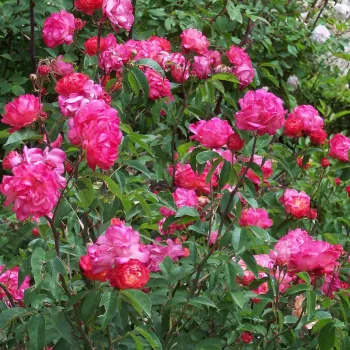
LÉONIE LAMESCH – orange-yellow flower-bed polyantha rose - Lambert
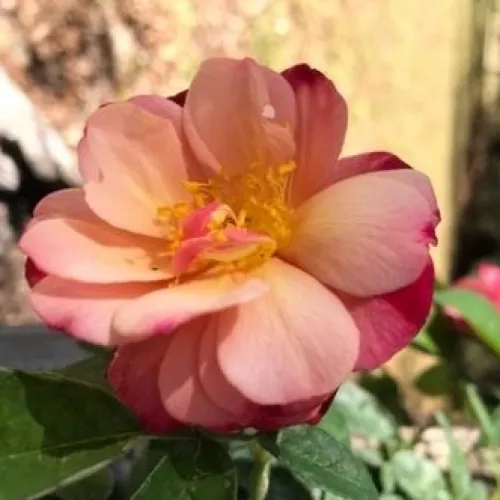
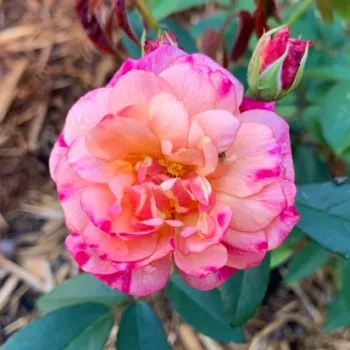
Step out after rain into a front garden alive with colour and a copper-orange glow that gently fades to cream, while this compact shrub keeps its bushy shape and medium height perfectly suited to small London plots where breezy, damp weather and heavy soil are everyday realities. The semi-double clusters refresh themselves with medium vigour, shedding many spent blooms so you spend less time deadheading and more time enjoying the spicy-fruity fragrance that rises along your narrow path. Own-root planting supports long-term health, so plants age gracefully, regenerate well after pruning and recover quickly if winter bites, giving reliable flowering from late spring onwards. In larger containers of at least 50 litres, good drainage and stored rainwater help maintain steady growth through warmer spells, while foliage of mid-green texture provides a calm backdrop to its ever-changing orange-yellow to creamy blooms.
Usage options
| Target area | Reasoning |
|---|
| Front garden bed in a narrow London terrace |
The compact height and bushy habit create a defined, upright presence without overwhelming a small frontage, and its changing orange-to-cream flowers give long seasonal interest with modest care for the time-pressed urban gardener |
| Low mixed hedge along a path or driveway |
Regular, medium-height structure and moderate spread allow an informal hedge that still looks orderly, while moderate disease resistance keeps foliage serviceable with only occasional checks for the busy family owner |
| Rainwater-friendly clay or chalk border |
Once settled, the own-root system copes well with typical heavy or alkaline garden soils, provided you add drainage at planting, making it a practical choice where you want to manage wetter patches thoughtfully as a sustainability-minded gardener |
| Large container on a small front patio or balcony |
Grows reliably in a minimum 40–50 litre pot with peat-free compost and stored rainwater, keeping roots cool and stable while offering a long season of colour right by the door for the space-conscious flat dweller |
| Pollinator-accent corner with herbs and perennials |
Semi-double flowers offer moderate nectar access and combine well with sage or nepeta; while mainly ornamental, they still contribute gentle activity around a seating area for the ecologically aware beginner |
| Long-season family border with informal style |
Remontant, cluster-flowered heads keep colour returning through the season, blending easily with perennials so the border looks lively even when you only have time for light pruning as a busy homeowner |
| Heritage-style bed in a small front garden |
An 1899 Lambert polyantha that holds its shape neatly, lending a period feel without demanding expert pruning, ideal if you want traditional charm but straightforward upkeep as a casual gardener |
| Resilient backbone plant in exposed, damp-prone plots |
Hardy to typical UK winters with moderate disease tolerance, it offers steady structure and flowering in gardens that see wind, humidity and showers across the season, suiting the practically minded coastal resident |
Styling ideas
- TerraceWelcome – Line a short front path with Léonie Lamesch underplanted with low lavender for scent at ankle height – for urban owners wanting charm from doorstep to pavement.
- SunsetRibbon – Create a loose hedge mixing this rose with feather reed grass for copper blooms rising from swaying vertical seedheads – for gardeners who enjoy soft movement and gentle structure.
- CopperPatch – In a small clay border, team with feverfew and showy coneflower to echo its orange-yellow tones – for those seeking a bright yet low-fuss summer focus.
- BalconyBower – Grow one plant in a 50–60 litre container with trailing nepeta to spill over the edge – for flat dwellers wanting fragrance and colour without a full garden.
- HeritageDrift – Mass-plant several in a shallow curve with airy perennials dotted through for an old-rose atmosphere – for romantically inclined gardeners who prefer a relaxed, cottage feel.
Technical cultivar profile
| Property | Data |
|---|
| Name and registration |
Léonie Lamesch is a shrub / polyantha bedding rose, exhibition category shrub rose, traded as a polyantha bed rose; unregistered cultivar, marketed under the historic Lambert commercial name. |
| Origin and breeding |
Bred by Peter Lambert, Lambert & Söhne (Trier), Germany, from ‘Aglaia’ × (‘Mignonette’ × ‘Shirley Hibberd’); introduced in 1899 and still valued as a classic polyantha bedding shrub. |
| Growth and structural characteristics |
Bushy, upright habit, 80–120 cm high and 100–140 cm wide, with moderately dense, mid-green, slightly glossy foliage and sparse prickles; self-cleaning is moderate, some spent blooms remaining on the plant. |
| Flower morphology |
Semi-double, cup-shaped blooms, 13–25 petals, small flower size borne in clusters; remontant with an abundant second flush, giving repeated flowering from late spring through the main season. |
| Colour data and phenology |
Light copper-orange base with golden-yellow centre and carmine-red edges; coppery buds open bright, then fade to creamy yellow with a purplish-red veil persisting at the petal margins before paling further. |
| Fragrance and aroma |
Medium-strength fragrance, clearly noticeable in still air, combining pleasantly spicy and fruity notes; contributes a traditional rose scent character suitable for paths, seating areas and smaller front gardens. |
| Hip characteristics |
Rose-hip formation is generally sparse; when present, produces small, spherical, orange-red hips around 5–8 mm in diameter, adding a light decorative accent late in the season. |
| Resistance and winter hardiness |
Hardy to approximately −21 to −18 °C (RHS H7, USDA 6b, Swedish Zone 3); disease resistance is moderate to powdery mildew, black spot and rust, benefitting from basic preventive care in humid seasons. |
| Horticultural recommendations |
Best in full sun with reasonable drainage; water during prolonged dry spells. Suitable for beds, borders, parks and large containers; spacing 100–180 cm depending on use, density 0.8–1.0 plants per m². |
Léonie Lamesch offers long-season colour, compact structure and a gently spicy fragrance on a durable own-root framework that settles in for years of easy enjoyment, making it a thoughtful choice for smaller, sustainability-aware gardens.