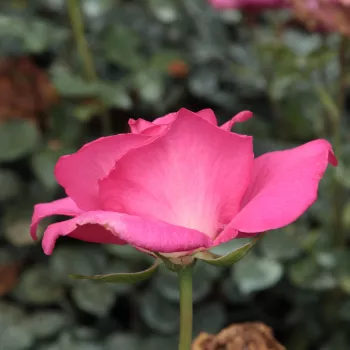
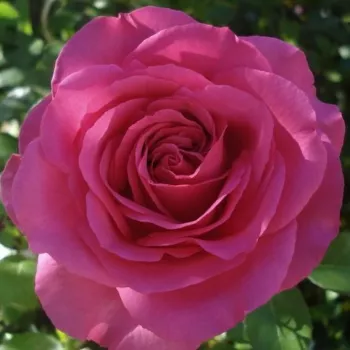
LUCIA NISTLER® – pink tea-hybrid rose – Evers
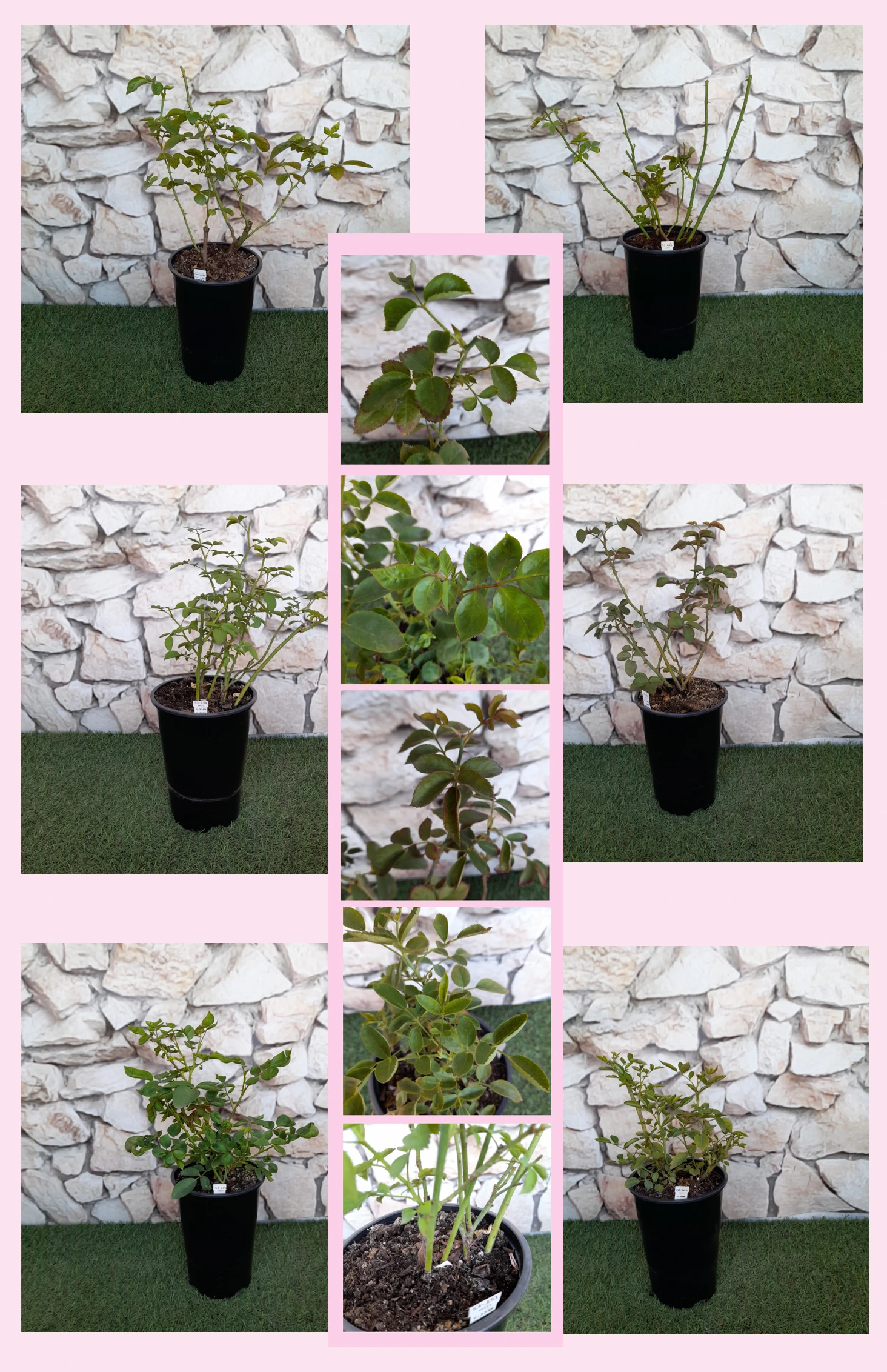
Step through your front gate and be met by the luminous mid‑pink blooms of balance and a gently sweet fragrance that hangs in the air after summer showers, even where gardens face brisk winds and regular rainfall. LUCIA NISTLER® forms an upright, compact bush ideal for smaller London front gardens or narrow borders, with semi‑double, exhibition‑style flowers that repeat generously from early summer into autumn for long‑lasting colour. As an own‑root rose it builds strength steadily, rooting deeply for a long, reliable lifespan and the ability to regenerate if weather or pruning are less than perfect. Over roughly three seasons it moves from root establishment to structured shoots and then to full ornamental presence, rewarding patient beginners who prefer straightforward planting and simple care. Semi‑double flowers offer moderate appeal to visiting bees, supporting a more natural feel in rain‑garden style planting, while its medium maintenance needs remain manageable in busy urban life. Ideal in sustainable, peat‑free soil mixes and paired with low‑water companions, it helps create a soft yet confident front‑garden statement.
Usage options
| Target area | Reasoning |
|---|
| Small front‑garden feature near the door |
The upright, compact habit and luminous mid‑pink blooms create a clear focal point without overwhelming tight London terraces, while own‑root vigour promises graceful structure for years with modest effort for the busy homeowner. |
| Rain‑aware border with simple maintenance |
Suited to typical British showers and breezy conditions, this hybrid tea copes well in ordinary clay garden soils when drainage is improved, offering reliable flowering without fussy pampering for the low‑maintenance gardener. |
| Pollinator‑friendly mixed planting |
Semi‑double flowers open their centres enough to moderately attract bees, especially when combined with herbs such as lavender, sage or nepeta, adding gentle ecological value and movement for the nature‑minded owner. |
| Cut‑flower corner for home bouquets |
Large, goblet‑shaped blooms on upright stems lend themselves to cutting, bringing classic hybrid tea form and elegant pink tones indoors repeatedly throughout the season for the home flower arranger. |
| Own‑root planting for long garden presence |
Grown on its own roots, this rose develops lasting strength, recovers well from winter or pruning mishaps, and maintains a stable shape and colour display over the years, reducing replacement needs for the long‑term planner. |
| Beginner‑friendly family garden rose |
Medium maintenance and moderate disease resistance mean routine checks and occasional treatment usually suffice, while its steady, remontant flowering rewards simple care and regular watering for the new rose grower. |
| Part‑shade side path or narrow bed |
Tolerant of partial shade, it fits side returns or between‑house beds where sun is limited, still producing well‑coloured flowers and maintaining glossy foliage that lightens gloomy corners for the space‑conscious gardener. |
| Statement container on balcony or patio |
In a large 40–50 litre container with peat‑free compost and careful drainage, it offers repeat pink blooms and fragrance close at hand, using harvested rainwater where possible to support more sustainable city growing for the eco‑aware resident. |
Styling ideas
- Urban Welcome – Place one either side of a front door with low box or evergreen grasses to frame the entrance in soft pink and glossy green – ideal for time‑pressed city homeowners.
- Rain‑Garden Curve – Combine with nepeta, hardy geraniums and low ornamental grasses along a gently sloped, free‑draining border to catch roof run‑off attractively – suited to sustainability‑focused gardeners.
- Cutting Corner – Plant in a sunny square with lavender and sage behind for scent layers and steady vase material through summer – perfect for home florists and keen arrangers.
- Soft Screen – Use a short row along a path, underplanted with silver wormwood and dwarf pines, to give a refined yet easy‑care boundary – good for family gardens needing structure.
- Balcony Focus – Grow a single specimen in a 50‑litre pot with trailing thyme and compact nepeta to create a fragrant, bee‑friendly micro‑garden – ideal for flat dwellers with limited space.
Technical cultivar profile
| Characteristic | Data |
|---|
| Name and registration |
Hybrid tea rose for garden and cutting use; trade name LUCIA NISTLER® – pink tea‑hybrid rose – Evers; American Rose Society exhibition name Lucia Nistler; collection Hybrid Tea. |
| Origin and breeding |
Bred by Hans Jürgen Evers for Rosen Tantau, Germany; introduced and registered in 1986. Parentage is unknown; originally distributed by Rosen Tantau as a hybrid tea garden and exhibition variety. |
| Growth and structural characteristics |
Upright, bushy rose reaching about 70–95 cm in height and 50–70 cm spread. Moderately dense, glossy mid‑green foliage with moderate thorniness, forming a neat, manageable shrub in typical family gardens. |
| Flower morphology |
Large, solitary hybrid tea blooms with 13–25 petals, giving a semi‑double, goblet to chalice form. Remontant, with a strong second flush, providing an extended display through the main growing season. |
| Colour data and phenology |
Vivid mid‑pink base colour, outer petals slightly deeper. Buds open deep pink, then mid‑pink, finally softening to paler pink with silvery margins before fading, giving layered tone changes on the bush. |
| Fragrance and aroma |
Moderate, distinctly noticeable scent with a pleasantly sweet character. Fragrance is appreciable at close range and around the plant in still air, enhancing seating areas, entrances and cutting‑garden plantings. |
| Hip characteristics |
Produces small, spherical rosehips in low numbers. Hips are usually 8–12 mm in diameter, bright red when ripe, adding discreet late‑season interest without dominating the overall ornamental effect. |
| Resistance and winter hardiness |
Rated to approximately −21 to −18 °C, corresponding to RHS H7 and USDA Zone 6b. Black spot resistance is good, while powdery mildew and rust are of moderate concern, requiring occasional protective measures. |
| Horticultural recommendations |
Best in well‑drained, fertile soil; suitable for borders, specimens and cutting beds. Plant 60 cm apart in groups or 90 cm as individuals. Partial shade tolerant; maintenance level medium with periodic health checks. |
LUCIA NISTLER® offers repeat mid‑pink blooms, gentle fragrance and a compact habit that suits small gardens, while its own‑root strength supports long life with reassuringly straightforward care, making it a thoughtful choice to consider.