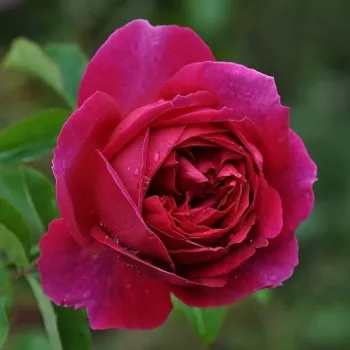
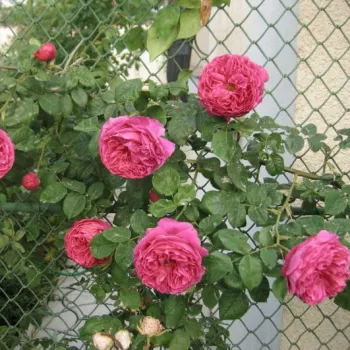
MACBETH™ – deep crimson English rose – Austin
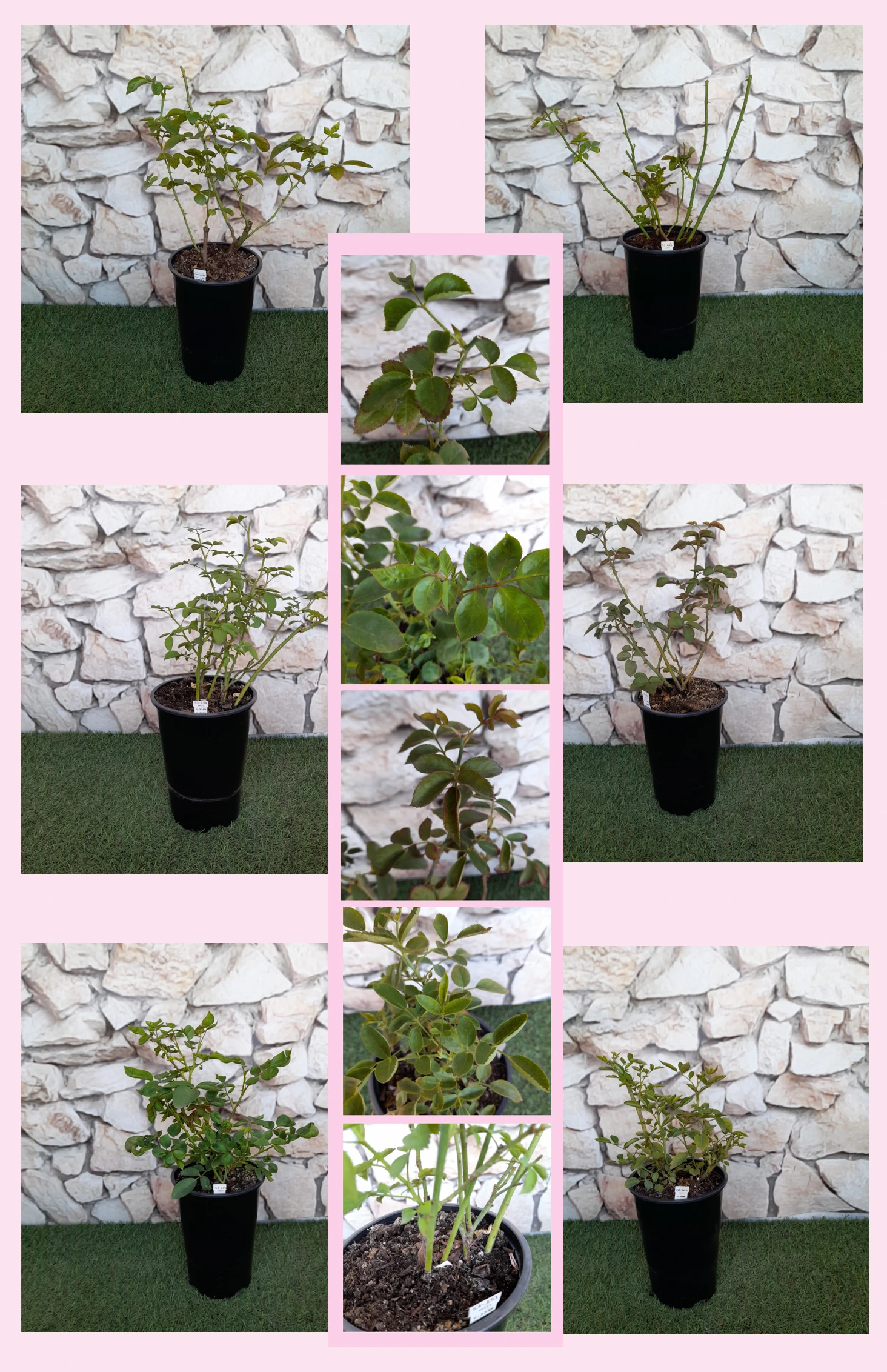
Step into the moody charm of MACBETH on a damp summer evening and enjoy deep, velvety blooms that hold their colour even under coastal skies and frequent showers, coping reliably with cool, wet British summers and heavier soils. This tall, upright English shrub rose brings a sense of drama to small London front gardens and narrow beds, where space is tight but impact matters. Its very strong, old-rose fragrance creates an immersive, post-rain scent that lingers in the air, while the dense, dark green foliage builds a lasting backdrop for the crimson rosettes. Own-root growth means a naturally long lifespan and steady regeneration after pruning, with a practical rhythm of Year 1 rooting in, Year 2 building strong shoots and Year 3 revealing full ornamental character. Designed for low-intervention gardeners, it offers dependable repeat flowering with only basic deadheading, giving you an atmospheric, sustainable feature that matures gracefully over time without demanding expert maintenance.
Usage options
| Target area |
Reasoning |
| Narrow London front garden |
The tall, upright habit and deep crimson blooms create a strong vertical accent in tight urban plots, giving privacy and character without sprawling sideways. Low routine input suits time-poor city householders and busy beginners. |
| Specimen rose in mixed border |
As a solitary feature, its very strong old-rose scent and velvety rosettes draw the eye and nose, while dark foliage anchors lighter perennials. Own-root vigour supports a long-lived focal point for long-term planners. |
| Romantic flowering hedge |
Planted in a loose line, the upright shrubs form a richly coloured, perfumed screen. Regular repeat flowering provides season-long interest, ideal for defining front boundaries for family homeowners. |
| Clay or chalky suburban beds |
Once established in improved soil with good drainage, this rose copes well with cool, damp conditions and changeable summers, managing regular rain and wind in typical UK family gardens for practical realists. |
| Cut-flower corner |
Large, very double rosette blooms on substantial stems make excellent, fragrant cut flowers for the house, extending enjoyment beyond the garden and rewarding light deadheading for home arrangers. |
| Rainwater-conscious front garden |
Suited to beds shaped to catch and slowly drain roof run-off, this rose handles frequent wetting of foliage and soil when planted with free-draining amendments, making use of rainfall for eco-minded gardeners. |
| Mature, long-lived planting schemes |
On its own roots it steadily thickens over the years, with no risk of suckers reverting to rootstock, offering stable form and colour for lasting designs that appeal to forward planners. |
| Large patio container (50 L+) |
In a generous, well-drained 50–60 litre pot, it becomes a movable statement plant, giving scented height on patios or balconies while staying manageable with simple watering and feeding for space-conscious owners. |
Styling ideas
- Shakespearean-porch – flank a terraced-house doorway with one MACBETH in a large container and underplant with lavender for contrast and scent layering – suited to literary romantics.
- Crimson-ribbon – create a short hedge along a front boundary, weaving in Nepeta and low sage for a soft edge and movement – ideal for neat, low-fuss front gardens.
- Moody-border – combine with silver foliage Artemisia and dusky salvias to highlight the velvety crimson flowers and glossy leaves – for gardeners favouring dramatic colour palettes.
- Cutting-nook – dedicate a sunny corner with MACBETH and airy Verbena for vertical texture, giving armfuls of fragrant stems while looking good between harvests – perfect for home florists.
- Rain-garden-pocket – set MACBETH at the slightly raised back edge of a shallow, free-draining rain-collection bed with grasses and Scabiosa – for urban owners using roof water thoughtfully.
Technical cultivar profile
| Property |
Data |
| Name and registration |
Macbeth™ English Rose AUSlo, shrub type English Rose within the Romantic rose group; registered cultivar name AUSlo, ARS exhibition name Othello, collection English Rose. |
| Origin and breeding |
Bred by David C. H. Austin from ‘Lilian Austin’ × ‘The Squire’; introduced and registered in 1986 by David Austin Roses Ltd in the United Kingdom for garden and exhibition use. |
| Growth and structural characteristics |
Upright shrub to about 135–225 cm high and 90–150 cm wide, densely thorned with dark green, slightly glossy foliage; poor self-cleaning, so benefits from regular deadheading for best display. |
| Flower morphology |
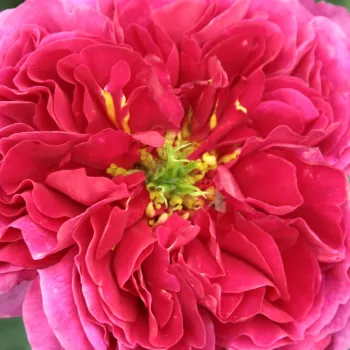
Large, very double rosette blooms with over 40 petals, usually borne singly; remontant with a good second flush in season, providing a long flowering window when regularly deadheaded. |
| Colour data and phenology |
Deep, velvety crimson-red flowers, ARS DR, RHS 60A–60B; buds are dark crimson with a velvety sheen, colour may lighten with a purplish or mauve tint in strong sun as blooms mature. |
| Fragrance and aroma |
Very strong, garden-filling perfume with a classic old-rose character; scent is noticeable at some distance in still air and is a key ornamental feature of this English shrub cultivar. |
| Hip characteristics |
Because of its very double flowers, hip set is limited; where formed, hips are small 9–15 mm, ovoid, orange-red, and mostly of ornamental rather than wildlife or culinary significance. |
| Resistance and winter hardiness |
Hardy to about –26 to –23 °C (RHS H7, USDA 5b, Swedish Zone 4); good resistance to powdery mildew and black spot, moderate for rust, benefits from regular watering in hot, dry periods. |
| Horticultural recommendations |
Best in full sun with improved, free-draining soil; plant 100–110 cm apart in groups or 180 cm as specimens; low general maintenance, though occasional fungicide against rust may be sensible. |
MACBETH™ English Rose AUSlo offers intensely fragrant, repeat crimson blooms on a long-lived own-root shrub, well suited to containers or borders for those who appreciate enduring, characterful planting; consider it where atmosphere matters.