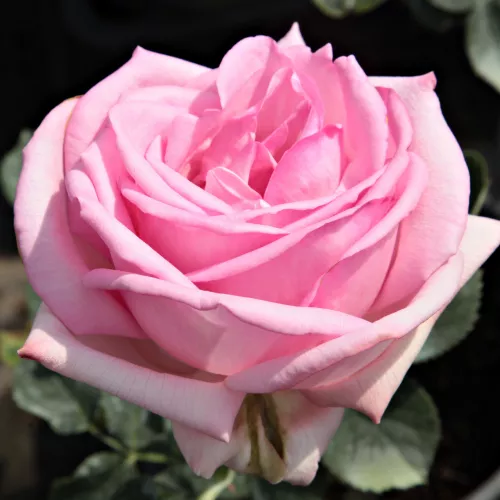
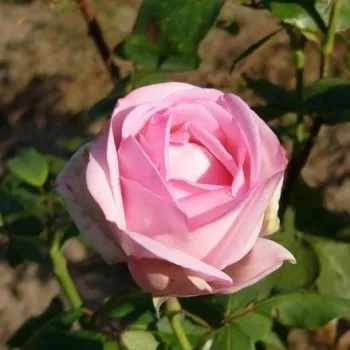
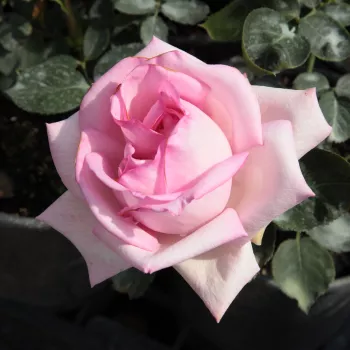
MADAME MAURICE DE LUZE – pink hybrid tea rose – Pernet-Ducher
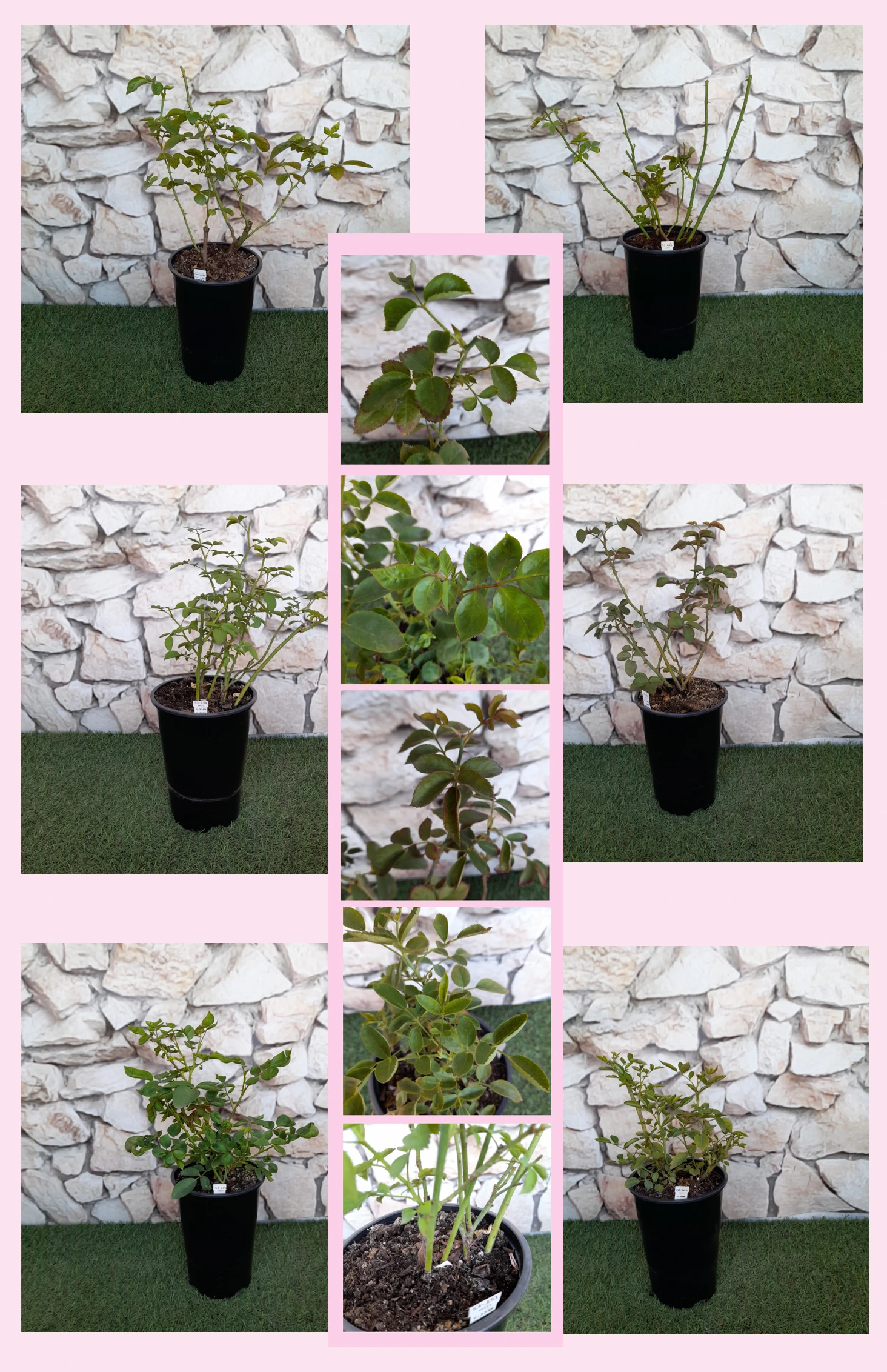
Imagine a London front garden after rain, where glossy foliage catches the light and classic, cool-toned pink blooms release a fruity sweetness that carries along the street. This historic hybrid tea from 1907 has an upright, reliable habit, producing elegant, medium-sized, double flowers that repeat generously through summer and into autumn, perfect for cutting and bringing indoors. On its own roots it develops steadily into a long-lived garden specimen, maturing from establishing roots to confident top growth and then full ornamental value over three seasons. Its medium disease resistance and hardy constitution make it well suited to typical UK family plots, even where wind and rain often test garden roses with persistent wet foliage and fungal pressure. In small, rainwater-wise front gardens, a single plant or short row gives lasting structure, while the pearly, porcelain edge of each bloom adds a romantic accent against brick, paving or gravel. Planted in a generous border or a large 40–50 litre container, it rewards modest care with season-long flowering and a calm sense of balance that fits sustainable, low-fuss urban living.
Usage options
| Target area |
Reasoning |
| Feature rose in a London terraced-house front garden |
The upright, medium-height habit and classic, cool pink blooms create an immediate focal point without overwhelming a narrow frontage, while the strong fragrance adds charm to the pavement edge for busy urban garden owners |
| Cut-flower rose for home arrangements |
Solitary, medium-sized, double flowers on straight stems lend themselves to vases and simple jug arrangements, allowing you to enjoy the powerful, sweet-fruity scent indoors across the season for hobby gardeners |
| Long-lived specimen in a mixed family border |
As an own-root plant it builds a durable framework, quietly regenerating from the base if stems are damaged, so the bush remains ornamental and serviceable for many years for homeowners |
| Classic rose accent in rainwater-aware planting |
Suited to typical UK conditions where frequent showers and cool air test roses, it partners well with free-draining soil improvements and mulching in a modestly sized, sustainable family bed for sustainability-focused gardeners |
| Large container (40–50 L) on patio or balcony |
The compact spread and upright structure work well in a sizeable pot, where regular watering and feeding are easy to manage and flowers can be enjoyed at nose height close to seating for balcony and patio owners |
| Romantic “girly” front-garden composition |
Its soft, baby-pink to pearly blooms pair beautifully with light perennials and gravel or brick, giving a gentle, feminine look that stays elegant rather than fussy for style-conscious beginners |
| Small group or short hedge for structure |
Planted at the recommended spacing, a row provides a low, fragrant boundary with consistent height and colour, easy to shape by light pruning once established for family-garden planners |
| Heritage-rose corner in a modern urban plot |
This 1907 hybrid tea brings historical interest and a sense of continuity, while own-root vigour supports a steady journey from settling in to a full, mature display over the first three years for rose enthusiasts |
Styling ideas
- Frontage elegance – Combine with dwarf heuchera and pale gravel to frame a narrow front path, letting the pink blooms and glossy leaves soften hard paving – ideal for small-plot homeowners
- Cottage-modern – Underplant with Lychnis alpina ‘Magenta’ and low catmint for a pink-and-lilac haze that feels both traditional and fresh – perfect for relaxed family gardens
- Cutting corner – Group three plants near a kitchen door with easy access to rainwater butts, giving a ready supply of scented stems – suited to home florists
- Balcony focus – Grow in a single 50 L container with trailing thyme and sage for soft structure, fragrance and simple maintenance – designed for busy urban gardeners
- Heritage trio – Plant three in a loose triangle with white obedient plant weaving between for a romantic, story-rich rose feature – appealing to history-loving gardeners
Technical cultivar profile
| Property |
Data |
| Name and registration |
Madame Maurice de Luze is a historic hybrid tea rose used as an exhibition and cut-flower type; it is an unregistered cultivar but recognised under this established trade and show name. |
| Origin and breeding |
Bred by Joseph Pernet-Ducher and introduced by the Pernet-Ducher nursery in Lyon, France in 1907, this hybrid tea represents early 20th-century French breeding tradition and refined flower form. |
| Growth and structural characteristics |
Forms an upright bush 100–140 cm tall and 85–115 cm wide, with moderately dense, mid-green, glossy foliage and moderate prickliness, giving a structured yet manageable plant for borders or large pots. |
| Flower morphology |
Medium-sized, double, cup-shaped blooms with 26–39 petals are borne mainly singly on stems; strongly remontant, it provides a generous second flush after the main early-summer flowering period. |
| Colour data and phenology |
Pink blooms with ARS PB and RHS 55C/57A tones open deep and vivid, then lighten through baby-pink to cool, powdery cream, with pearly, almost white petal edges at full bloom before finally fading. |
| Fragrance and aroma |
Highly scented hybrid tea with a powerful, noticeable-from-afar perfume, characterised by a sweet, fruity note that suits both garden enjoyment and indoor arrangements as a traditional, perfumed cut flower. |
| Hip characteristics |
Hip set is generally low due to the full, double flowers, but when present the hips are small, ovoid, orange-red structures around 9–13 mm in diameter, adding a discreet late-season accent. |
| Resistance and winter hardiness |
Hardy to around –21 to –18 °C (RHS H7; USDA 6b, Swedish Zone 3) with medium overall disease resistance, showing good black spot resistance but only moderate tolerance to powdery mildew, rust and drought. |
| Horticultural recommendations |
Best in full sun with regular watering and fertile, well-drained soil; maintain by seasonal feeding, deadheading and occasional pest and disease checks, spacing 60–110 cm depending on hedge, mass or specimen use. |
Madame Maurice de Luze offers fragrant, repeat-flowering pink blooms on a long-lived, own-root shrub that matures steadily into a reliable feature for those seeking an easy yet characterful garden rose, worth considering for your planting plans.