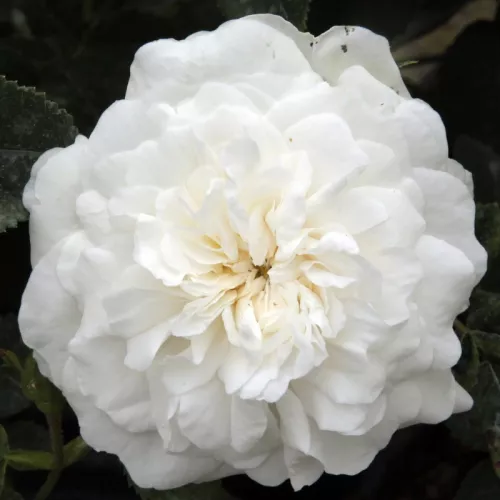
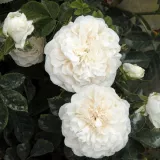
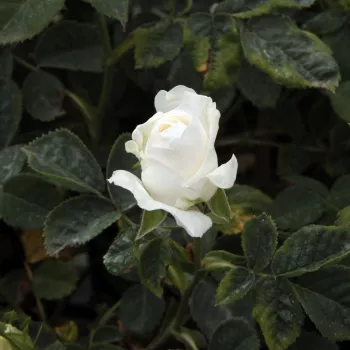
MADAME PLANTIER – white historic alba rose
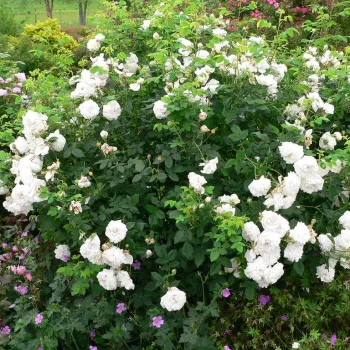
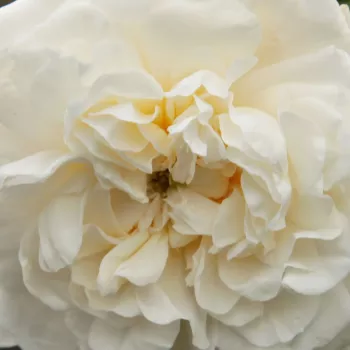
Evoking the romance of early nineteenth-century gardens, Madame Plantier brings cascading clusters of creamy-white, rosette blooms and a powerfully musky perfume to compact London front gardens and smaller family plots. This heritage shrub forms a graceful, arching framework over time, creating a long-lived green backdrop that feels quietly timeless in both classic and contemporary planting. Its vigorous own-root growth means a secure, regenerative structure that settles in steadily, ideal where borders must cope with blustery weather and heavier soils prone to holding rain after storms in cool, damp seasons. With thoughtful positioning and simple, regular care, you can enjoy dense, matt, light-green foliage and near-thornless stems that are easier to weave around supports and doorways. In a patient, sustainable approach, it will deepen its presence as roots establish, shoots strengthen, and its full ornamental character unfolds, making it a reassuring long-term investment for those who prize atmosphere and longevity over instant effect in a garden they intend to enjoy for many years.
Usage options
| Target area |
Reasoning |
| Romantic front-garden arch or arbour |
Its tall, arching growth and sparse prickles make Madame Plantier ideal for training over a metal arch or timber arbour, creating a scented tunnel of creamy-white, rosette blooms in June for those seeking a classically romantic entrance, especially homeowners. |
| Feature shrub in a compact family garden |
Planted as a free-standing shrub, its bushy, clump-forming habit and dense, light-green foliage provide structure and summer privacy, offering a long-lived focal point that settles in gradually with minimal fuss for appreciative but time-poor beginners. |
| Low-maintenance heritage hedge |
Regular formative pruning builds a tall, flowering screen that feels traditional yet soft, with fewer thorns making access easier; once established, the own-root base supports decades of service for practically minded garden-planning families. |
| Pergola or rainwater-fed side path |
Along a side passage or pergola, its vigorous framework can be guided up supports while roots benefit from roof or path run-off, suiting sites where heavier soil holds post-shower moisture in cool, breezy weather for sustainability-focused urban gardeners. |
| Cottage-style mixed border backdrop |
Behind perennials and grasses, its once-a-year cloud of white blossom and matt foliage form a gentle backdrop that reads as green structure for most of the year, suiting those curating a restrained yet atmospheric setting for relaxed households. |
| Historic-rose collector’s corner |
This 1835 French alba hybrid offers genuine period character and provenance, rewarding careful siting and routine spraying with museum-piece charm, appealing to enthusiasts who enjoy the narrative and legacy of living antiques as dedicated collectors. |
| Shady boundary or north-east aspect |
Madame Plantier tolerates partial shade, allowing you to brighten a cooler wall or fence line where many roses sulk, rewarding patient care and correct spacing with graceful height and fragrance for problem-solving suburban gardeners. |
| Large container on a traditional terrace |
In a minimum 40–50 litre pot with good drainage, its upright, arching growth and intense scent can transform a paved terrace; own-root resilience supports long-term container culture when tended regularly by committed balcony or patio owners. |
Styling ideas
- Victorian-porch arch – Train Madame Plantier over a wrought-iron arch with Alchemilla mollis at the base for lime-green froth below white clusters – ideal for period terraced-house owners.
- Soft-hedge border – Create a loose hedge, underplanting with Pennisetum alopecuroides so the airy seedheads contrast with dense, matt foliage – suited to families wanting gentle privacy.
- Courtyard-centrepiece – Use as a single specimen in a gravel circle, edged with lavender or nepeta for fragrance at foot level – perfect for busy urban gardeners craving low visual clutter.
- Heritage-mix corner – Combine with Lychnis alpina ‘Magenta’ and lady’s mantle in a small historic rose bed – attractive to enthusiasts curating a traditional, story-rich planting.
- Pergola-walkway – Let stems weave along a narrow pergola above a rain-permeable path, with sage and catmint spilling at ground level – suited to sustainable, rainwater-conscious front gardens.
Technical cultivar profile
| Characteristic |
Data |
| Name and registration |
Historical alba shrub rose marketed as Madame Plantier, also known as Mme. Plantier; a heritage, unregistered cultivar offered in consumer-friendly own-root potted form. |
| Origin and breeding |
French heritage rose introduced around 1835, bred by Plantier from Rosa alba × Rosa moschata; valued for its long-standing garden presence and classic old-rose character. |
| Growth and structural characteristics |
Strong, bushy, clump-forming shrub reaching about 240–360 cm high and 150–250 cm wide, with dense, light-green matt foliage and relatively sparse prickles on arching stems. |
| Flower morphology |
Large, very double rosette blooms with 40+ petals, borne in clustered inflorescences; flowers once in early summer rather than repeating, creating a concentrated display. |
| Colour data and phenology |
Soft creamy-white flowers with subtle ivory and pearl tints; colour remains stable, though tightly packed blooms can brown in persistent rain, flowering mainly in a single summer flush. |
| Fragrance and aroma |
Very strong, sweet musky fragrance noticeable from a distance, typical of old alba and musk roses, designed primarily for ornamental and sensory impact in the garden. |
| Hip characteristics |
Hip formation is limited or irregular due to the extremely double flower form, so decorative fruit effect should not be relied upon in planting plans or wildlife schemes. |
| Resistance and winter hardiness |
Extremely hardy shrub rated to around −37 to −34 °C (RHS H7), but highly susceptible to black spot, powdery mildew and rust, so regular protective care is strongly advised. |
| Horticultural recommendations |
Best used as specimen, hedge or trained over pergolas and arbours; allow 120–220 cm spacing, enrich soil, water in drought, and maintain a protective spray regime where disease is prevalent. |
Madame Plantier offers tall, romantic white blossom, powerful fragrance and long-term structure on a resilient own-root framework that rewards patient, regular care; consider it if you value heritage atmosphere and are prepared to nurture it attentively.