MARIE DE BLOIS – pale pink historic moss rose - Français & Robert
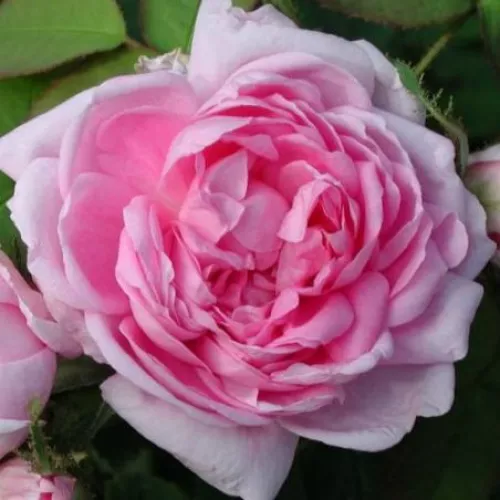
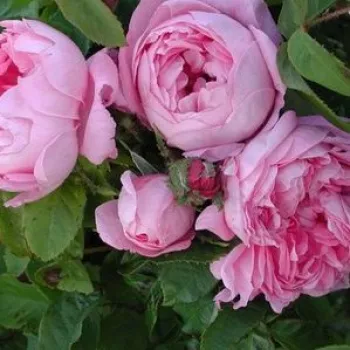
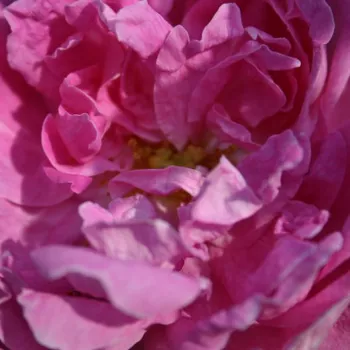
Step off the busy pavement and into a calmer, scented world with heritage charm: Marie de Blois is a tall, upright moss rose whose finely mossed buds and softly cupped blooms create a romantic, slightly informal silhouette that suits London terraces and classic cottage plots alike. Its strong, lingering fragrance evokes traditional rose gardens, while the pale pink, lavender‑tinted rosettes gradually fade to cream, lending nuanced colour shifts through the season. On its own roots this shrub is bred for quiet longevity, building strength year by year for a stable, mature presence in your planting. In a typical family garden it responds well to consistent moisture and thoughtful siting, helping it cope gracefully with cool, damp spells and the kind of rain-soaked, breeze‑laden conditions many UK gardens experience. Over time its height and branching give real structure, whether used as a specimen or loose screen, and the tactile, mossed buds add rare detail that appeals to collectors as much as to beginners discovering historical roses for the first time.
Usage options
| Target area |
Reasoning |
| Statement shrub in a small front garden |
The tall, upright habit and moderately dense foliage allow Marie de Blois to perform as a single, eye‑catching shrub, giving vertical interest without overwhelming a compact front plot; its strong, long‑lasting perfume greets you at the gate and rewards passers‑by who appreciate traditional roses, especially the busy homeowner. |
| Feature rose in a heritage-style bed |
With very full, pastel-pink rosettes and mossed buds, this cultivar introduces an authentic historical character that pairs well with perennials such as lavender or nepeta, creating soft textures and a period feel that suits gardeners who value atmosphere but prefer straightforward shrub maintenance, particularly the thoughtful beginner. |
| Loose flowering screen along a path or boundary |
Reaching around 130–210 cm high with a 105–175 cm spread, Marie de Blois can be spaced as an airy, flowering line that hints at enclosure without forming a hard hedge, offering seasonal privacy and fragrance for families who want beauty while keeping pruning and shaping relatively simple, especially the urban family. |
| Romantic focal point near seating |
The strong, sweet scent and repeat flushes make this rose ideal beside a bench or patio, where you spend time close to the blooms and can deadhead at leisure; its remontant nature ensures renewed flower clusters through the season for those seeking reliable moments of calm, particularly the reflective gardener. |
| Own-root investment planting for long-term structure |
Supplied as an own-root shrub, Marie de Blois is not dependent on grafts, so it regenerates well from the base, ages evenly and can be rejuvenated by pruning, rewarding patient care with decades of garden presence and stable form for those planning a lasting layout, especially the long‑view planner. |
| Rainwater-conscious, clay-based family garden border |
In typical British conditions with heavier soils, this rose responds well to improved drainage, mulching and consistent moisture from collected rainwater, allowing it to settle and flower reliably in borders where wet winters and breezy, rain‑cooled summers are common, which reassures the eco‑aware city-dweller. |
| Part-shade side garden or east-facing wall border |
Tolerating partial shade, Marie de Blois can bring pale, luminous flowers to a side return or east-facing strip, where morning light and afternoon protection help preserve bloom colour, suiting homes that cannot offer full sun all day but still want period charm, notably the terrace‑house owner. |
| Collector’s specimen in a curated historical rose area |
Introduced in 1852 and classified as a moss rose, this cultivar appeals to enthusiasts building a story-led collection; its mossed buds, colour shifts and moderate hip formation provide seasonal interest that rewards close observation over years, particularly the historically minded rose collector. |
Styling ideas
- Terraced-Romance – Underplant Marie de Blois with dwarf heuchera and saxifrage to soften its upright frame, ideal for London-style front steps seeking gentle historic charm – for style-conscious town gardeners.
- Pastel-Drift – Combine with pale nepeta and low-growing houseleek in a gravel strip, letting the mossed buds contrast against simple foliage – for low-fuss urban borders with character.
- Bench-Corner – Position beside a small seating nook, framed by cool-toned sage and simple lawn, so repeated scented flushes become part of your evening routine – for contemplative evening sitters.
- Heritage-Avenue – Plant a loose row along a path at recommended spacing, interspersed with airy grasses, to create a soft, period-style walk to the front door – for families who enjoy a garden “arrival”.
- Collector’s-Nook – Give Marie de Blois a dedicated spot in a historical corner with other moss or old roses, using simple groundcovers to highlight the bud detail – for rose enthusiasts building a story-led collection.
Technical cultivar profile
| Property |
Data |
| Name and registration |
MARIE DE BLOIS – pale pink historic moss rose, shrub-type historical rose in the Moss group; trade name Marie de Blois Heritage rose Français & Robert; unregistered but authenticated for garden use. |
| Origin and breeding |
Historic French moss rose bred by Français and André Robert, introduced via Lens Roses, Belgium, in 1852; parentage remains unknown, typical of many nineteenth-century heritage cultivars. |
| Growth and structural characteristics |
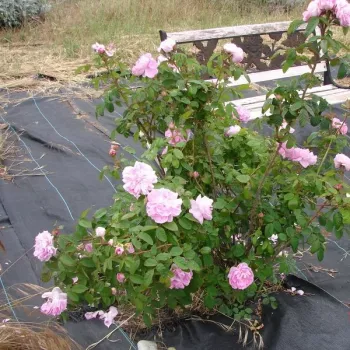
Upright shrub growing around 130–210 cm high and 105–175 cm wide, with moderately dense, mid‑green, slightly glossy foliage and dense prickling on stems, forming a substantial, traditional-looking bush. |
| Flower morphology |
Very full, rosette-shaped flowers with over 40 petals, large-sized (about 7–10 cm), borne in clusters on upright stems; flowers are weakly self-cleaning, so regular deadheading improves display and encourages further flushes. |
| Colour data and phenology |
Pale pink with subtle lavender undertone; ARS LP, RHS 69D outer and 69C inner; buds powder pink, then pastel pink before softening to creamy white, with outer petals almost white toward the end of flowering. |
| Fragrance and aroma |
Strong, long-lasting scent with a gently sweet character reminiscent of traditional garden roses; best appreciated near paths, doors or seating where repeated flowering allows regular enjoyment through the season. |
| Hip characteristics |
Due to very double blooms, hip set is generally sparse; when formed, hips are globular, around 12–18 mm diameter, and mature to an attractive orange-red tone that adds a discreet autumn accent. |
| Resistance and winter hardiness |
Hardy to about −21 to −18 °C (RHS H7, USDA 6b, Swedish zone 3); disease resistance is moderate to weak, with particular rust sensitivity, so regular monitoring and good air circulation are advisable. |
| Horticultural recommendations |
Best in fertile, well-drained soil with reliable moisture; tolerates partial shade. Allow space per recommended planting distances; own-root plants respond well to long-term pruning and rejuvenation in established gardens. |
MARIE DE BLOIS offers scented, romantic blooms, upright garden structure and long-term own-root resilience, making it a thoughtful choice if you are planning a characterful, enduring rose for your garden.