Marjorie Proops™ hybrid tea rose – HARproops
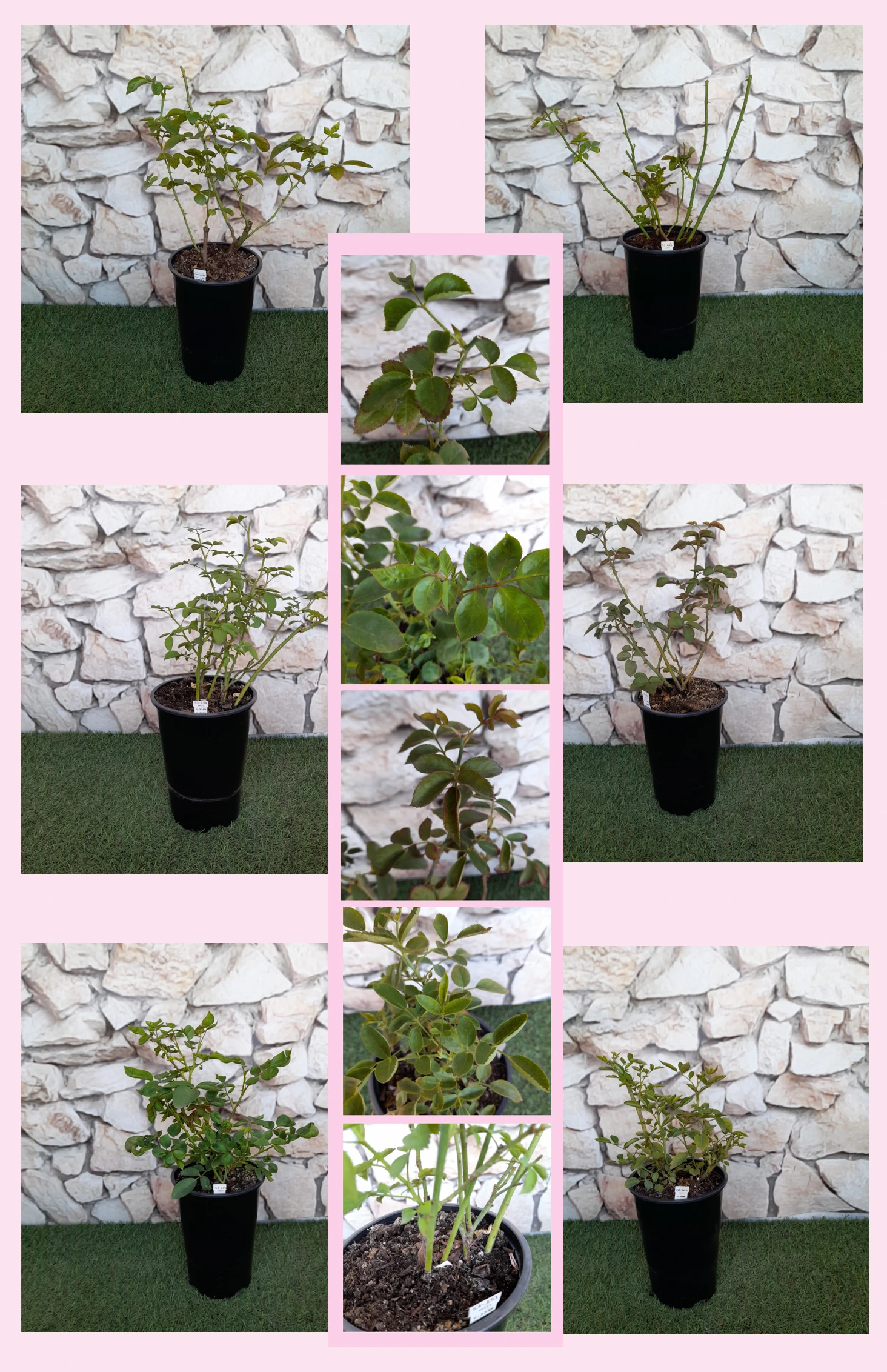
In a compact urban front garden or balcony, Marjorie Proops brings refined hybrid-tea blooms in a vibrant orange-red palette that softens to peach, echoing sunset tones against dark green foliage. Its upright habit and moderately dense leaves create a tidy outline that stays elegant through typical British summers with rainy spells and occasional wind, making it reassuringly resilient in changeable weather. Own-root production supports a long-lived, regenerating framework that settles in steadily, with roots establishing in the first year, stronger shoots in the second, and full garden presence by the third. Well-suited to peat-free composts and careful rainwater use in city gardens, it offers a balanced sense of calm for busy householders.
Usage options
| Target area |
Reasoning |
| Small London front garden feature |
The upright, 100–140 cm habit and vivid orange-red blooms give strong street-side presence without overwhelming a narrow plot. Plant one or three in a sunny, well-drained pocket by the path to enjoy a calm, structured look with minimal pruning for the beginner |
| Rainwater-conscious terrace or balcony pot |
In a 40–50 litre container with drainage, this moderately vigorous bush responds well to consistent rainwater or stored greywater, coping reliably with blustery, rain-soaked UK weather on exposed balconies for the urbanite |
| Cutting bed for home bouquets |
Classically shaped, long-stemmed hybrid tea flowers, bred for exhibition use, deliver elegant, scented stems for vases from summer into autumn, giving good value in a modest cutting patch for the home-florist |
| Compact rose-and-lavender border |
Moderate height and upright growth combine neatly with edging plants such as lavender, sage or nepeta, creating an easy-care, scented strip beside a path, with simple winter pruning and light feeding for the time-poor |
| Neighbour-friendly boundary line |
Planted at 40–50 cm spacings, the even, uniform growth forms a low, refined boundary that looks cared-for without constant clipping, offering colour and scent while remaining considerate in height and spread for the neighbour |
| Long-term family garden planting |
As an own-root rose, the shrub can regenerate from its base after harder pruning or weather damage, maintaining ornamental value and avoiding the instability of grafted stock for the future-focused |
| Low-spray sustainable garden scheme |
Breeding with medium overall disease resistance and strength to powdery mildew and black spot allows a reduced spraying approach, supported by good air circulation and peat-free soil improvements for the eco-conscious |
| Colour accent in mixed shrub planting |
The rich orange-red flowers, lightening to peach, stand out among dark-leaved shrubs or grasses, while medium fragrance adds sensory interest along a frequently used path, quietly enriching daily routines for the family |
Styling ideas
- Terraced-elegance – Line a narrow front path with three evenly spaced plants underplanted with low nepeta to soften edges – ideal for city homeowners wanting formality without fuss
- Balcony-focus – One specimen in a 50 litre pot with fine gravel mulch and thyme at the base creates a contained, rainwater-fed focal point – suited to renters and small-space gardeners
- Sunset-border – Pair with lavender, silvery sage and soft grasses so the orange-red blooms glow at dusk – perfect for those seeking evening perfume and easy trimming
- Classic-cutting – Arrange a short row in a sunny bed solely for cut flowers, mixing with dahlias and annuals for weekend bouquets – attractive to home decorators who like fresh arrangements
- Calm-corner – Combine with dark-foliage shrubs such as Cotinus ‘Royal Purple’ to anchor the warm flower tones – appealing to gardeners wanting a composed, modern mood
Technical cultivar profile
| Parameter |
Data |
| Name and registration |
Hybrid tea rose; registered as HARproops, marketed as Marjorie Proops™. Approved exhibition name Marjorie Proops in the Hybrid Tea group for garden and cutting use. |
| Origin and breeding |
Bred by John Harkness, R. Harkness & Co. Ltd., Hitchin, from ‘Red Dandy’ × ‘Ena Harkness’. Bred 1969, registered 1969, introduced in the United Kingdom in 1971. |
| Growth and structural characteristics |
Upright bush, around 100–140 cm tall and 60–85 cm wide, with moderately dense, slightly glossy dark green foliage and moderate prickliness, suitable for beds, low hedging or cutting rows. |
| Flower morphology |
Double, cup-shaped hybrid tea blooms with 26–39 petals, mainly borne singly on stems, large-flowered (about 7–10 cm), with remontant habit and abundant second flush under normal care. |
| Colour data and phenology |
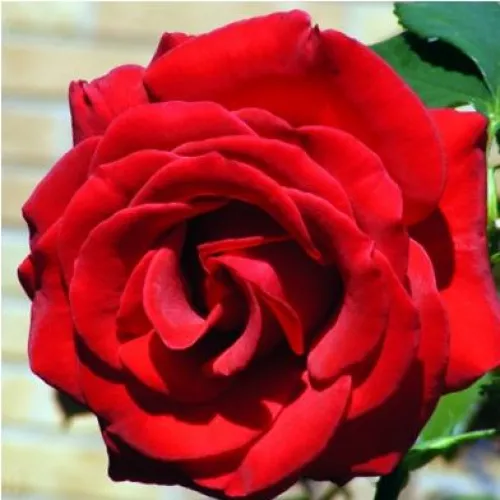
Vibrant orange-red outer petals with golden-yellow inner tones; buds deep orange-red with pale golden tips, fading through peach shades; ARS OB, RHS 33A outer and 24B inner petals. |
| Fragrance and aroma |
Fresh, fruity scent of medium strength, consistently noticeable in the garden and suitable for cutting; fragrance level generally stable in typical UK summer conditions when well watered. |
| Hip characteristics |
Occasional ovoid hips, about 12–18 mm, red RHS 43A. Mainly ornamental interest rather than heavy fruiting, appearing sporadically after flowering if deadheading is reduced later in the season. |
| Resistance and winter hardiness |
RHS H7; hardy approximately to −21 to −18 °C, USDA zone 6b. Medium overall disease resistance, with good resistance to powdery mildew and black spot and medium tolerance to rust. |
| Horticultural recommendations |
Plant at 50 cm for groups, 40 cm for hedging or 75 cm as specimen. Medium maintenance; benefits from annual pruning, feeding and occasional pest checks; prefers well-drained, improved garden soil. |
Marjorie Proops™ offers elegant, fragrant orange-red hybrid tea blooms, reliable upright structure and long-term own-root resilience; a considered choice if you value enduring beauty with manageable care.