MASORA – peach nostalgic rose - Yoshiike
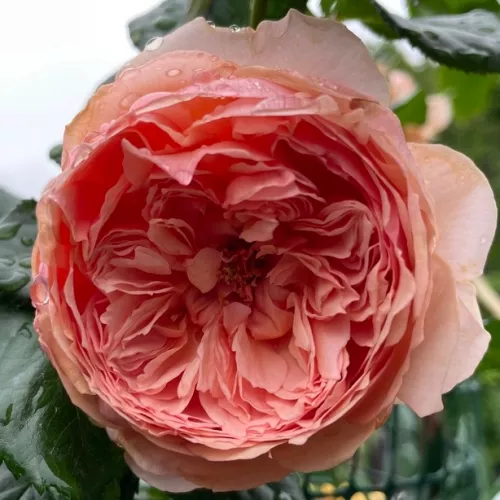
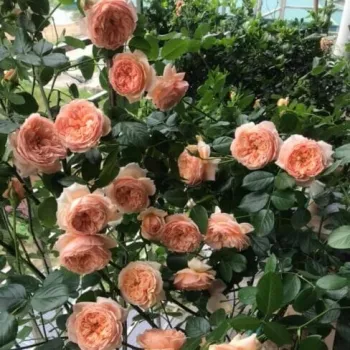
Step onto your small front path after rainfall and MASORA greets you with a strong, fruity fragrance and warm peach blooms that seem to glow against dark, glossy foliage. Bred in Japan as a romantic nostalgia rose, it suits compact London terraces and narrow borders where every shrub must earn its place, coping reliably with wet, windy spells and heavier soils by rewarding you with calm, balanced colour. Own-root culture supports long-term longevity, quietly building a deeper root system for sturdy top growth and steady flowering. As the plant settles in, you simply deadhead to encourage rich repeat flowering, use rainwater or a water butt in dry weather for easy care, and enjoy how this upright shrub holds its shape without complicated pruning. In a large 40–50 litre container or mixed bed, MASORA becomes a refined feature, developing from a young plant into a mature, romantic rose that anchors your garden scene.
Usage options
| Target area |
Reasoning |
| London terraced-house front garden |
Elegant, warm peach rosette flowers and glossy foliage give instant kerb appeal in the small beds typical of terraced fronts; the upright habit keeps paths clear and framing a doorway simple for the beginner urban gardener. |
| Rainwater-friendly large container (40–50 litres) |
MASORA’s upright shrub form and moderate spread sit well in sizeable pots that can be watered from a butt, offering strong fragrance and long flowering on a porch or balcony for the busy city container owner. |
| Low romantic hedge along a front boundary |
Regularly repeated planting at 50 cm forms a soft, peach-coloured flowering line that screens parked cars and hard surfaces while remaining manageable in height for the design-conscious home gardener. |
| Feature shrub in a mixed perennial bed |
Placed as a focal point among perennials, MASORA’s nostalgic, very full blooms and dark leaves contrast beautifully with airy companions, anchoring the whole border for the family-garden plant collector. |
| Partial-shade city side return or narrow path |
Suited to partial shade, MASORA still flowers and scents the air where sunlight is limited between buildings, turning awkward side passages into pleasant walkways for the space-challenged townhouse owner. |
| Cut-flower corner near a patio |
Large, very full, long-lasting blooms with strong fruity tea scent make excellent cut flowers; planting near seating or a back door makes harvesting easy for the home flower arranger. |
| Heat- and sun-exposed front beds |
Tolerant of heat and brief dry spells when watered in prolonged drought, MASORA works in sunnier, more exposed sites common to paved front gardens while keeping a refined look for the low-maintenance sun gardener. |
| Long-term own-root planting in a family garden |
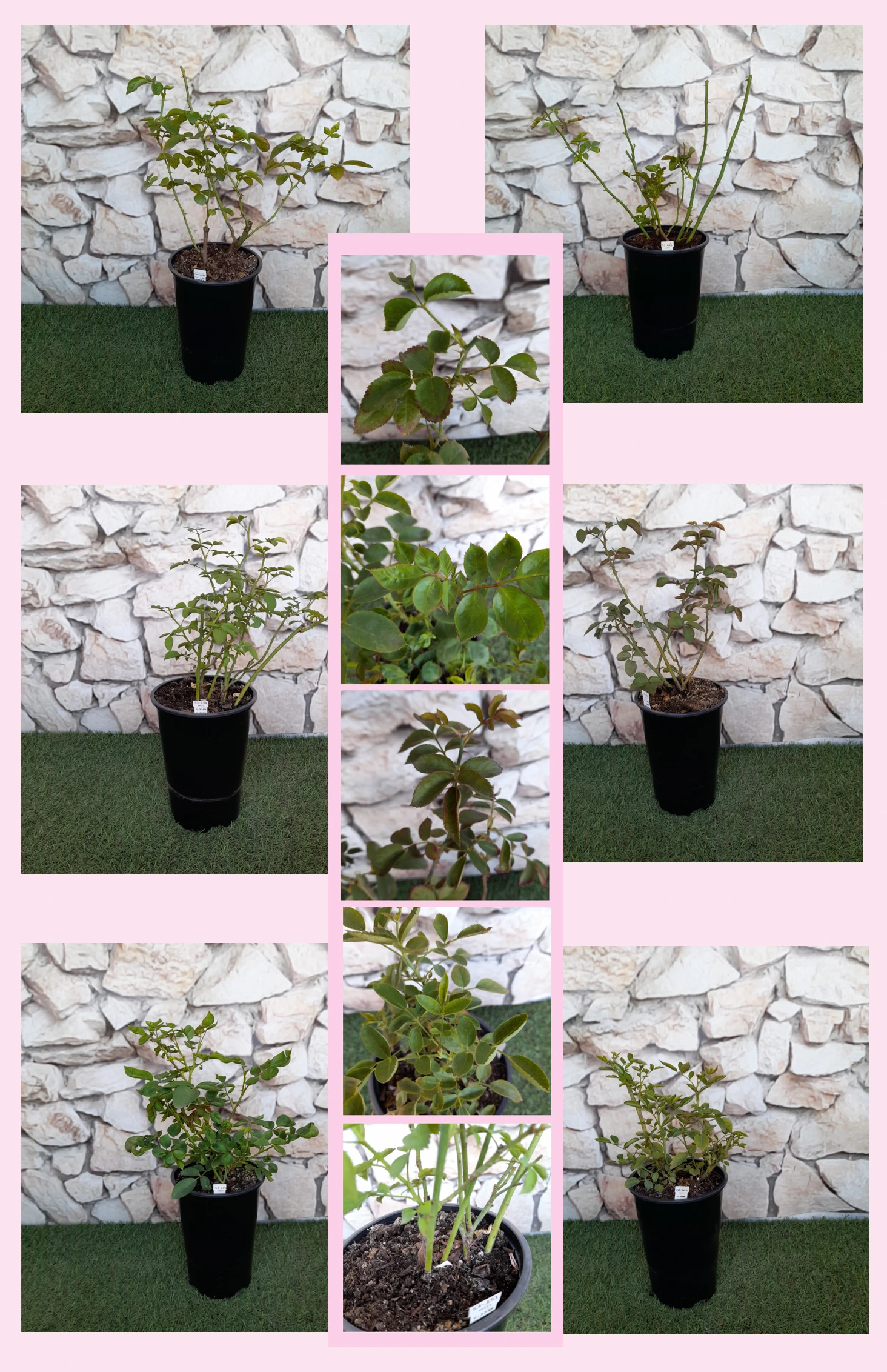
As an own-root shrub it establishes steadily, regrows reliably from the base and builds durable structure, offering a reassuring long-term presence that matures gracefully for the time-poor first-time owner. |
Styling ideas
- Peach-Path Welcome – Line a narrow front path with MASORA and soft Alchemilla mollis so raindrops glitter on chartreuse froth beneath peach blooms – ideal for townhouse owners who want a gentle, “girly” welcome.
- Romantic-Container Duo – In a 50 litre pot, underplant MASORA with cascading Nepeta and dwarf lavender to combine scent, soft movement and colour – perfect for balcony gardeners seeking a refined focal point.
- Vintage-Border Mix – Pair MASORA with dusky Heuchera and pale foxgloves in a small mixed bed to echo cottage-garden charm in a modern setting – suited to families turning lawn corners into character borders.
- Calm-Front Frame – Flank a front door with two MASORA shrubs in matching containers, backed by evergreen box or yew, to create a balanced, symmetrical entrance – for urban households wanting simple formality.
- Soft-Hedge Ribbon – Plant a loose hedge of MASORA along a low fence, weaving in airy grasses and lady’s mantle to soften hard lines – for sustainability-minded gardeners replacing gravel with planting.
Technical cultivar profile
| Characteristic |
Data |
| Name and registration |
Shrub rose from the Romantic rose collection, commercial nostalgia type; current trade name MASORA – Romantic rose – Yoshiike, ARS exhibition name Masora; premium garden cultivar for ornamental use. |
| Origin and breeding |
Bred in Japan by Teizō Yoshiike from Heritage × Amber Queen, breeding year 2009; registered 2011 and introduced after 2011 as a romantically styled shrub rose with nostalgic character. |
| Awards and recognition |
Gold Medal at Nagaoka International Fragrant Rose Trials and Best Rose Award at the 3rd Japanese National Fragrant Rose Competition, both in 2009, highlighting fragrance and overall ornamental quality. |
| Growth and structural characteristics |
Upright shrub reaching about 110–170 cm high and 60–100 cm wide, moderately dense, glossy dark green foliage, moderately thorny shoots; structure suits feature planting, low hedging and larger containers. |
| Flower morphology |
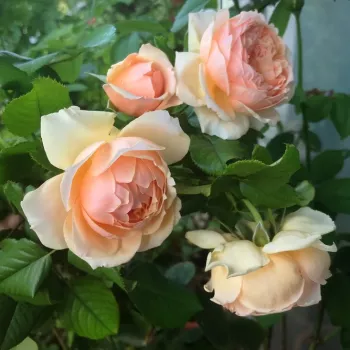
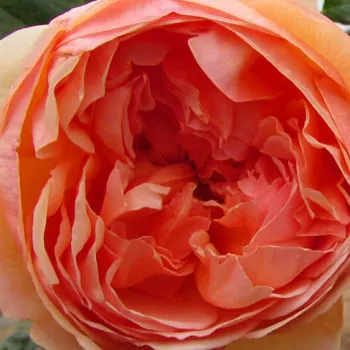
Large, very full, rosette-shaped blooms with over 40 petals, borne mainly in clusters; remontant habit with an abundant second flush, though spent blooms need deadheading as self-cleaning is weak. |
| Colour data and phenology |
Delicate apricot to peach tones (RHS 22D–24B), deep peach buds opening to warm peach, then pastel cream‑peach; colour holds better in cool conditions and fades faster in strong heat and sun. |
| Fragrance and aroma |
Strong, distinctive fragrance combining fruity and tea-scented notes; bred and awarded specifically for scent, making it well suited to planting near paths, patios, entrances and frequently used garden spaces. |
| Hip characteristics |
Produces spherical, globe-shaped hips in moderate quantity; orange-red, about 10–15 mm in diameter, adding a modest seasonal feature in late season if spent flowers are not removed. |
| Resistance and winter hardiness |
Hardy to around −21 to −18 °C (RHS H7, Swedish Zone 3, USDA 6b); resistant to black spot, very susceptible to powdery mildew, medium against rust; needs monitoring and occasional treatment in humid summers. |
| Horticultural recommendations |
For beds, features, low hedges, large containers and cutting; plant 55 cm apart in groups, 50 cm for hedges, 90 cm as specimen; prefers regular watering in drought and moderate maintenance including deadheading. |
MASORA offers romantic peach blooms, a strong fruity fragrance and an upright shrub form on a dependable own-root plant, making it a thoughtful long-term choice for your garden.