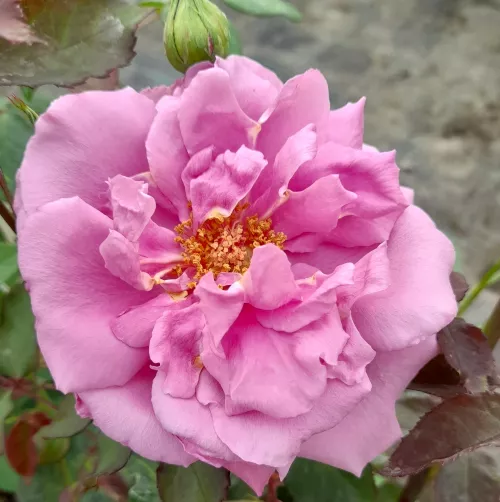
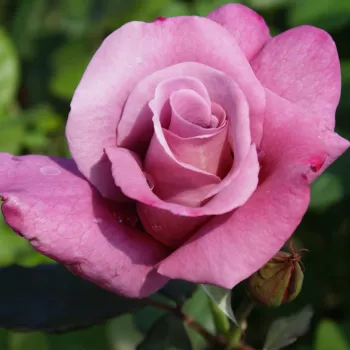
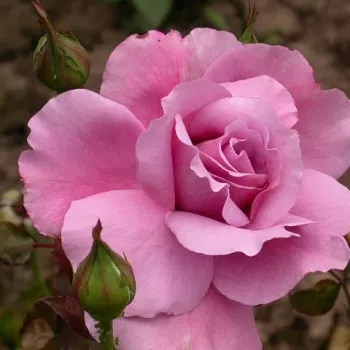
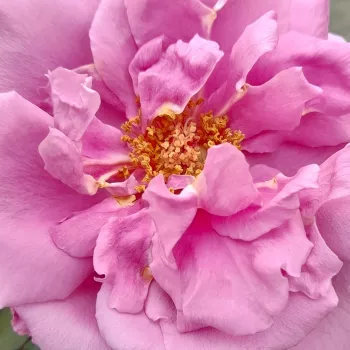
Mauve Melodee – mauve hybrid tea rose
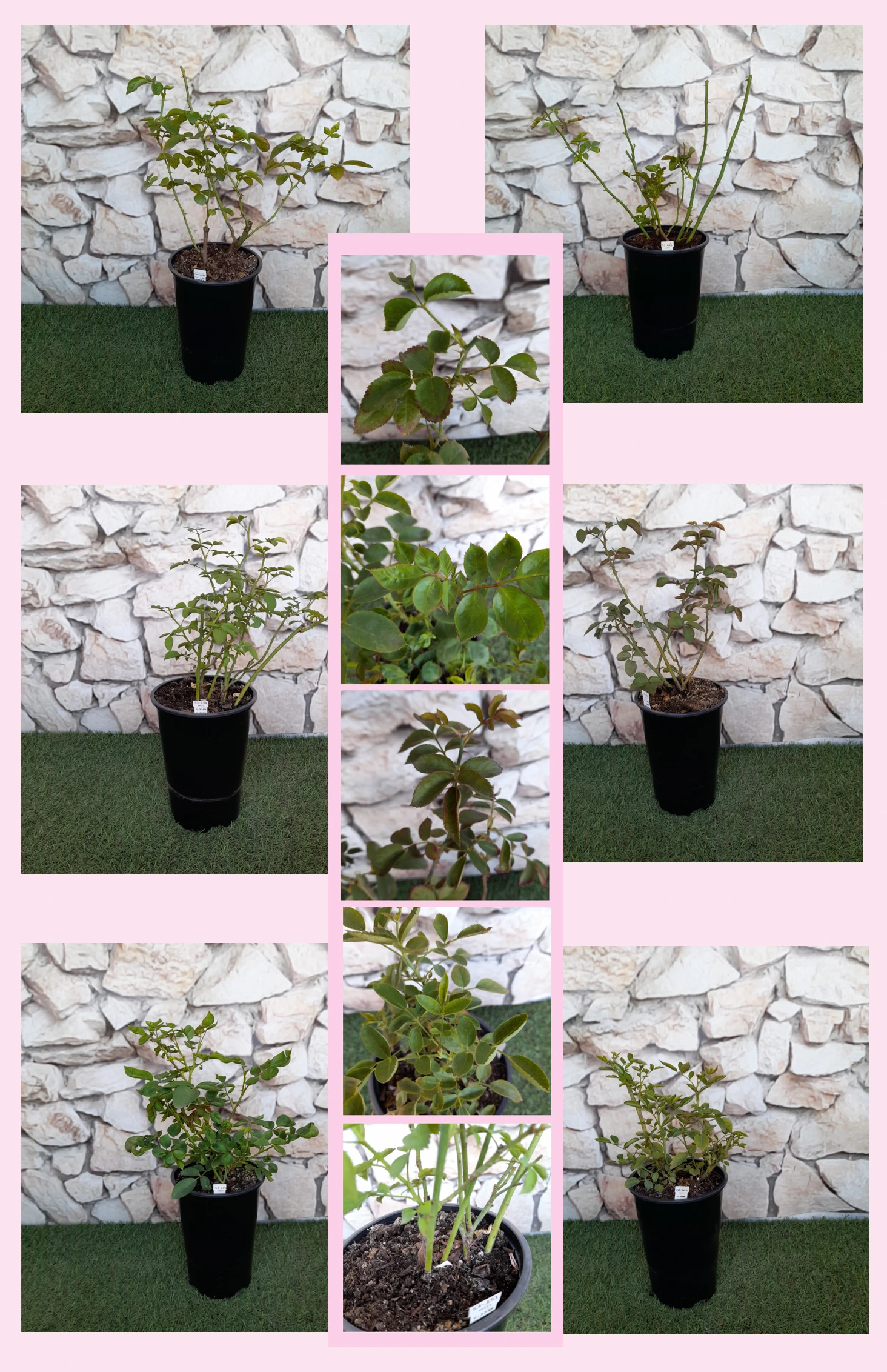
Step out after the rain and Mauve Melodee greets you with a mauve haze of high‑centred blooms and a fruity perfume that carries along the path, even in typical British showers and blustery coastal weather with good garden drainage. This hybrid tea offers season‑long colour on an upright, well‑clothed framework that sits neatly in a London front garden or compact border, yet still gives you generous stems for the vase. Grafted stock is avoided, so roots form evenly and support a long‑lived, easy‑to‑manage shrub that regenerates steadily and keeps its shape with light yearly pruning. Over a few seasons you will see a calm progression: first the roots settle, then stronger shoots follow, until by the third year Mauve Melodee reaches its full ornamental rhythm, anchoring a green, sustainable street‑side space with minimal fuss.
Usage options
| Target area | Reasoning |
|---|
| Front‑garden feature rose |
Mauve Melodee’s upright, 100–140 cm habit and dense, dark green foliage give clear structure without overwhelming a narrow London terrace front garden, creating a tidy, elegant focal point for busy urban gardeners |
| Low‑maintenance family border |
With good resistance to black spot, mildew and rust, this rose remains healthy in humid, changeable UK summers, so there is less spraying and fewer complex tasks – ideal for a relaxed, flower‑rich border for time‑pressed beginners |
| Season‑long colour anchor |
Remontant flowering with a generous second flush means reliable mauve blooms from early summer into autumn, providing continuous interest and balancing surrounding perennials for owners wanting steady colour |
| Cut‑flower corner |
High‑centred, exhibition‑type buds on long, straight stems suit home cutting; you can enjoy the strong, sweet‑fruity fragrance indoors without sacrificing overall display, perfect for home bouquet enthusiasts |
| Rain‑aware, sustainable planting strip |
Planted in improved heavy clay with free‑draining pockets, Mauve Melodee copes well with regular UK rain, helping turn a paved front into a greener, soak‑away style border for eco‑minded city households |
| Pollinator‑supportive rose mix |
Semi‑double flowers with partially exposed stamens allow moderate access for bees and hoverflies, especially when paired with nectar‑rich perennials, suiting gardeners seeking wildlife value |
| Long‑term structural planting |
As an own‑root shrub, it avoids graft failure and suckering, building a stable framework that can be gently renewed over many years rather than replaced, reassuring for those planning lasting gardens |
| Statement container on steps or balcony |
In a 40–50 litre peat‑free container with regular watering and feeding, Mauve Melodee offers upright form, repeat flowering and scent in tight spaces, an easy solution for space‑limited flat dwellers |
Styling ideas
- Romantic – Underplant Mauve Melodee with lavender and soft pink campanulas to echo its lilac‑mauve tones – ideal for terrace fronts seeking classic charm.
- Modern – Combine with Nepeta and tall verbena in a gravel strip, letting mauve blooms punctuate airy purple wands – suited to low‑input, contemporary city gardens.
- Cutting – Plant three in a loose triangle near the back door for ready‑to‑cut stems and a scented path – perfect for home florists who like quick access.
- Sustainable – Mix with drought‑tolerant sage and ornamental grasses in improved clay, supporting rainwater soak‑away and pollinator movement – good for eco‑focused households.
- Family – Use as a single specimen framed by daylilies and groundcover thyme for colour all summer with simple care – great for busy families wanting easy success.
Technical cultivar profile
| Parameter | Data |
|---|
| Name and registration |
Hybrid tea rose; registered as Mauve Melodee, with ARS exhibition name identical; current trade designation MAUVE MELODEE – mauve hybrid tea rose – Raffel, verified for cultivar authenticity. |
| Origin and breeding |
Bred by Frank C. Raffel in the United States from ‘Sterling Silver’ × unknown seedling; bred 1962, registered 1962 and introduced commercially in 1963 via Port Stockton Nursery. |
| Growth and structural characteristics |
Upright hybrid tea, around 100–140 cm tall and 75–105 cm wide; dense, slightly glossy dark green foliage and moderate prickliness; spent blooms persist, so light deadheading improves appearance. |
| Flower morphology |
Semi‑double, high‑centred hybrid tea flowers with 13–25 petals, usually borne singly on stems; large blooms around 7–10 cm across, suitable for cutting and exhibition‑style display in gardens. |
| Colour data and phenology |
Cool mauve‑purple with subtle violet hues; buds deep crimson‑mauve with a silky sheen, opening to silvery‑lilac centres that lighten in strong sun yet stay richer in cooler conditions. |
| Fragrance and aroma |
Strong, distinctive scent with a slightly sweet, fruity character; noticeable even in the garden path area and particularly attractive when stems are cut for indoor arrangements or small vases. |
| Hip characteristics |
Rose hip set is usually light; when present, spherical orange‑red hips about 10–14 mm across appear, offering modest late‑season interest but not a primary ornamental feature of the cultivar. |
| Resistance and winter hardiness |
Rated resistant to powdery mildew, black spot and rust; hardy to about −15 to −12 °C (RHS H6, Swedish zone 2, USDA 7b), with moderate heat tolerance requiring regular watering in dry spells. |
| Horticultural recommendations |
Best in full sun with improved drainage on heavier soils; recommended for borders, specimen use and cutting; spacing 55–100 cm depending on role, at 2.4–2.7 plants/m² for mass planting. |
Mauve Melodee offers long‑season mauve blooms, strong fragrance and reliable disease resistance on its own roots for lasting structure, making it a thoughtful choice if you value beauty with minimal upkeep.