MRS. JOHN LAING – pink historical perpetual hybrid rose - Bennett
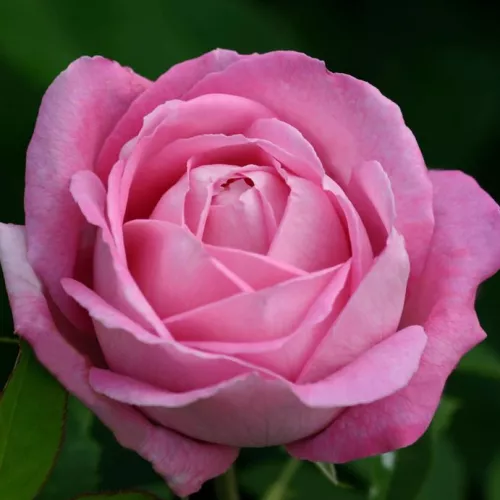
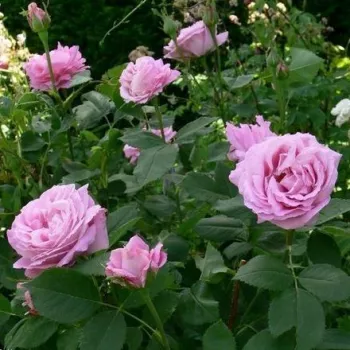
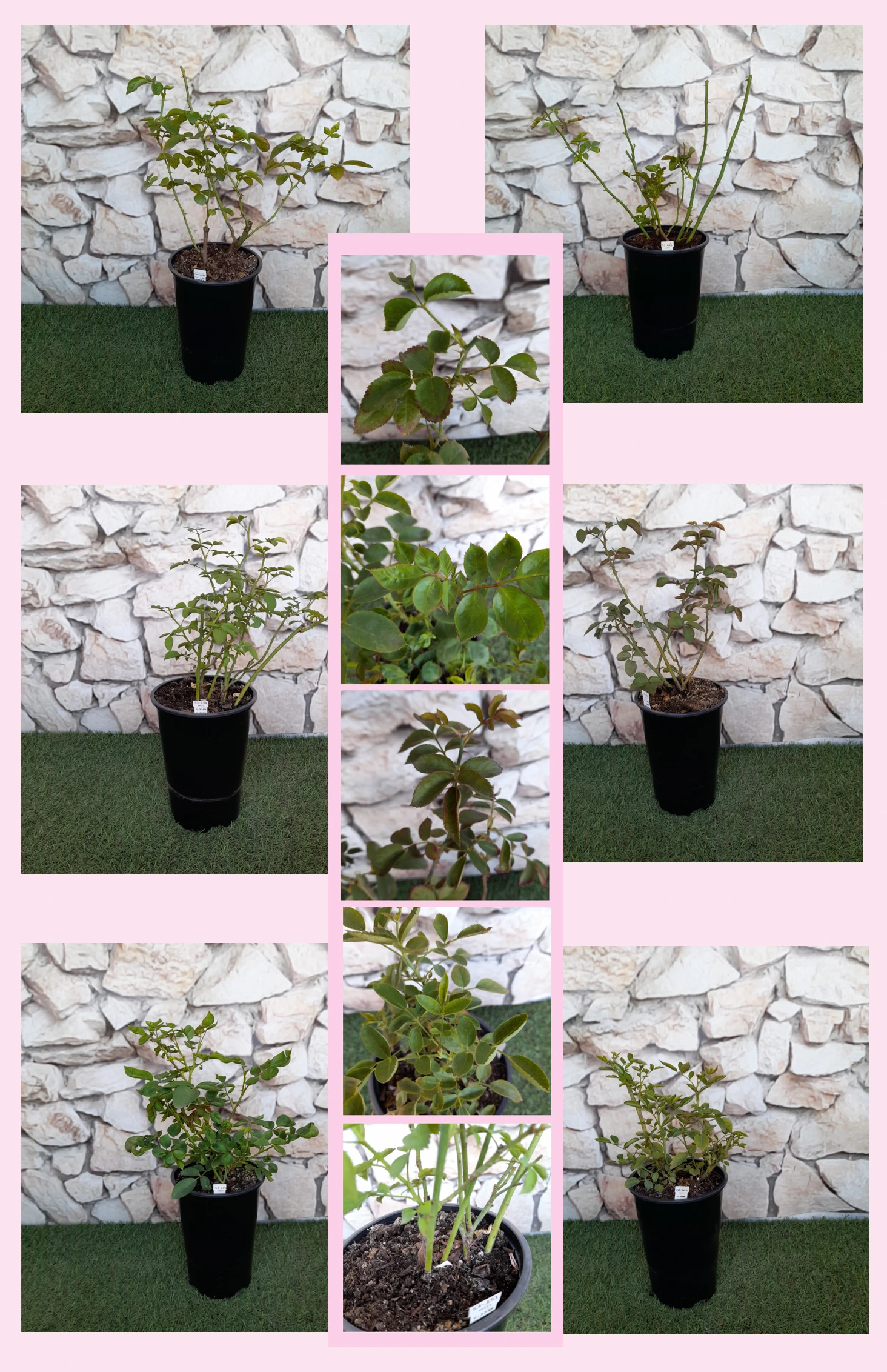
Step out after rain and meet heritage charm in your own front garden: ‘Mrs. John Laing’ is a romantic Hybrid Perpetual rose that brings generously fragrant, very double pink blooms on an upright, space-efficient plant, ideal for compact, rainwater-conscious urban plots where reliable flowering meets coastal breezes and wet British weather. Its barely thorny stems make everyday maintenance and cutting blooms for the house pleasantly straightforward, while medium disease resistance and own-root vigour support a long, stable life with only modest care. In a typical journey from root-building in year one, to strong new shoots in year two, and full ornamental impact by year three, this peat-free, container-grown plant is an easy choice for busy owners who still want classic abundance, soft pastel colour shifts, and trustworthy structure in a small family garden.
Usage options
| Target area |
Reasoning |
| London terraced-house front border |
The upright, moderate height and dense foliage form an elegant vertical accent that fits neatly behind a low fence or edging plants, giving refined historic character without dominating a small frontage, ideal for the time-pressed homeowner. |
| Feature rose near a front door or path |
Very strongly scented, repeat-flowering blooms create a classic “welcome home” experience, with perfume drifting across the entrance each time you pass, suiting those who value sensory impact over complex gardening, particularly the hurried commuter. |
| Romantic mixed border in a family garden |
The long flowering season and abundant second flush provide months of soft pink colour that blends gracefully with perennials, ensuring the border keeps its charm even when other plants pause, reassuring the relaxed weekend gardener. |
| Large sustainable container (40–50 litre+) |
Planted in a generous, well-drained peat-free mix, this own-root rose settles reliably into a big pot, making it practical for paved front gardens or balconies where soil is limited, encouraging the space-conscious urban renter. |
| Low-maintenance historic rose collection |
As an own-root, long-lived cultivar, it regenerates well from the base and maintains its character without graft union worries, supporting a stable display over many years and appealing to the heritage-minded but busy collector. |
| Sheltered hedge or backdrop row |
Regular spacing creates a gently formal line of pastel pink heads and light green foliage, giving structure to small gardens while only needing occasional deadheading and routine checks, suiting the practically minded planner. |
| Cool, moisture-retentive clay or chalky soils |
With adequate drainage and consistent moisture, this rose adapts well to typical British conditions where wetter spells and wind are common, thriving in gardens that manage rainfall naturally and supporting the eco-aware beginner. |
| Cut-flower corner for indoor arrangements |
Large, ball-shaped blooms on almost thornless stems are easy to harvest and handle, making it simple to create classic, perfumed arrangements at home from midsummer onwards, rewarding the creative but time-limited stylist. |
Styling ideas
- Doorway-Romance – Underplant with Nepeta or low lavender for a softly billowing, scented entrance that echoes the rose’s historic charm – ideal for fragrance-loving city dwellers.
- Pastel-Frontage – Combine with Carex morrowii and Vinca minor to weave pink blooms through evergreen texture, perfect for neat yet romantic terraced-house fronts.
- Cottage-Stripe – Run a short row behind a low clipped hedge, letting blooms rise loosely above structure for a traditional cottage feel in compact gardens.
- Balcony-Heritage – Grow in a 50-litre half-barrel with peat-free compost and gravel mulch, adding trailing thyme for a low-care, old-rose focal point.
- Evening-Perfume – Place by a frequently used path with soft white perennials so pale pink, highly scented blooms glow and perfume your post-work stroll.
Technical cultivar profile
| Parameter |
Data |
| Name and registration |
‘Mrs. John Laing’ is a historic Hybrid Perpetual rose by Bennett, introduced 1887; widely known under this trade and exhibition name, with no registered modern code. |
| Origin and breeding |
Bred in the United Kingdom around 1885 by Henry Bennett from ‘François Michelon’ × seedling; distributed from 1887 in the USA and from 1894 in Australia. |
| Awards and recognition |
RNRS Gold Medal 1885; American Rose Society Victorian Certificates awarded in 1999 (Buckeye District) and 2000 (Las Vegas Valley) for historic exhibition quality. |
| Growth and structural characteristics |
Upright shrub typically 110–160 cm high and 120–180 cm wide, with dense, light green matt foliage and relatively few prickles, forming a substantial yet manageable bush. |
| Flower morphology |
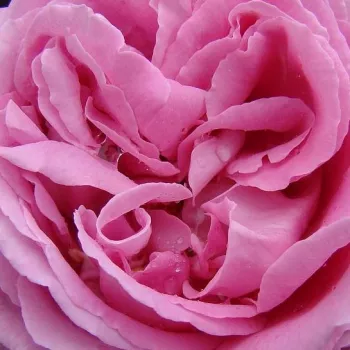
Very double, XL blooms with 40+ petals, ball to pompon-shaped and usually borne singly; remontant habit with a notably abundant second flush in suitable conditions. |
| Colour data and phenology |
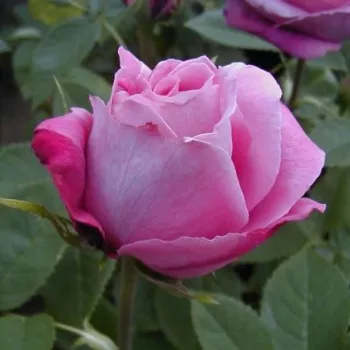
Silvery-tinged soft mid-pink, ARS lp; buds deep carmine-pink, ageing through pastel to pale porcelain with pearly, almost white edges as the flowers mature. |
| Fragrance and aroma |
Exceptionally strong, classic old-rose perfume with sweet, tea-like notes; scent carries on still, humid air and is easily noticeable when passing the plant. |
| Hip characteristics |
Produces moderate numbers of small ovoid hips, 10–14 mm across, coloured bright red (RHS 44A), which can add a discreet seasonal accent in late season. |
| Resistance and winter hardiness |
Hardy to approximately −34 to −32 °C (RHS H7, USDA 4a); medium resistance to black spot, mildew and rust, benefiting from good airflow and regular care. |
| Horticultural recommendations |
Prefers fertile, moisture-retentive but well-drained soil; dislikes drought and heat. Deadhead for best repeat, water consistently, and site in sun or light partial shade. |
MRS. JOHN LAING offers long-season romantic blooms, powerful fragrance and graceful structure on a resilient own-root plant that rewards steady care over many years, making it a thoughtful choice for your garden.