MYRIAM™ – light pink hybrid tea rose - Cocker
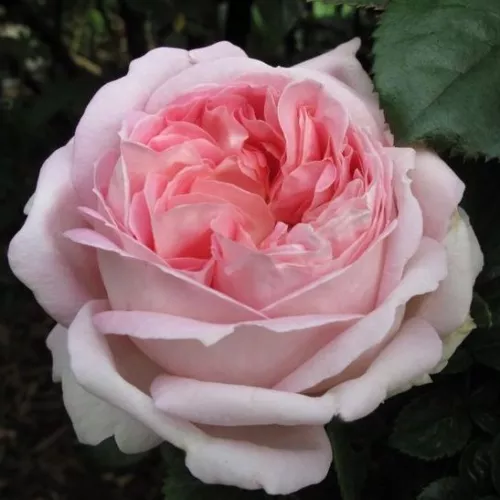
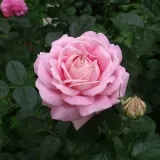
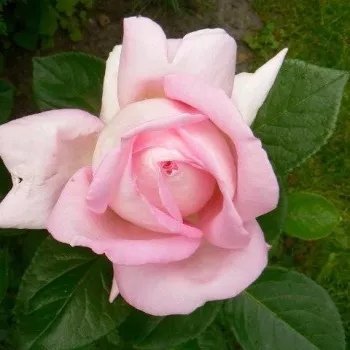
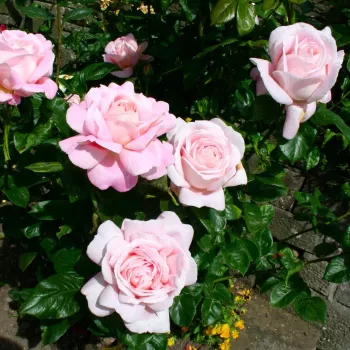
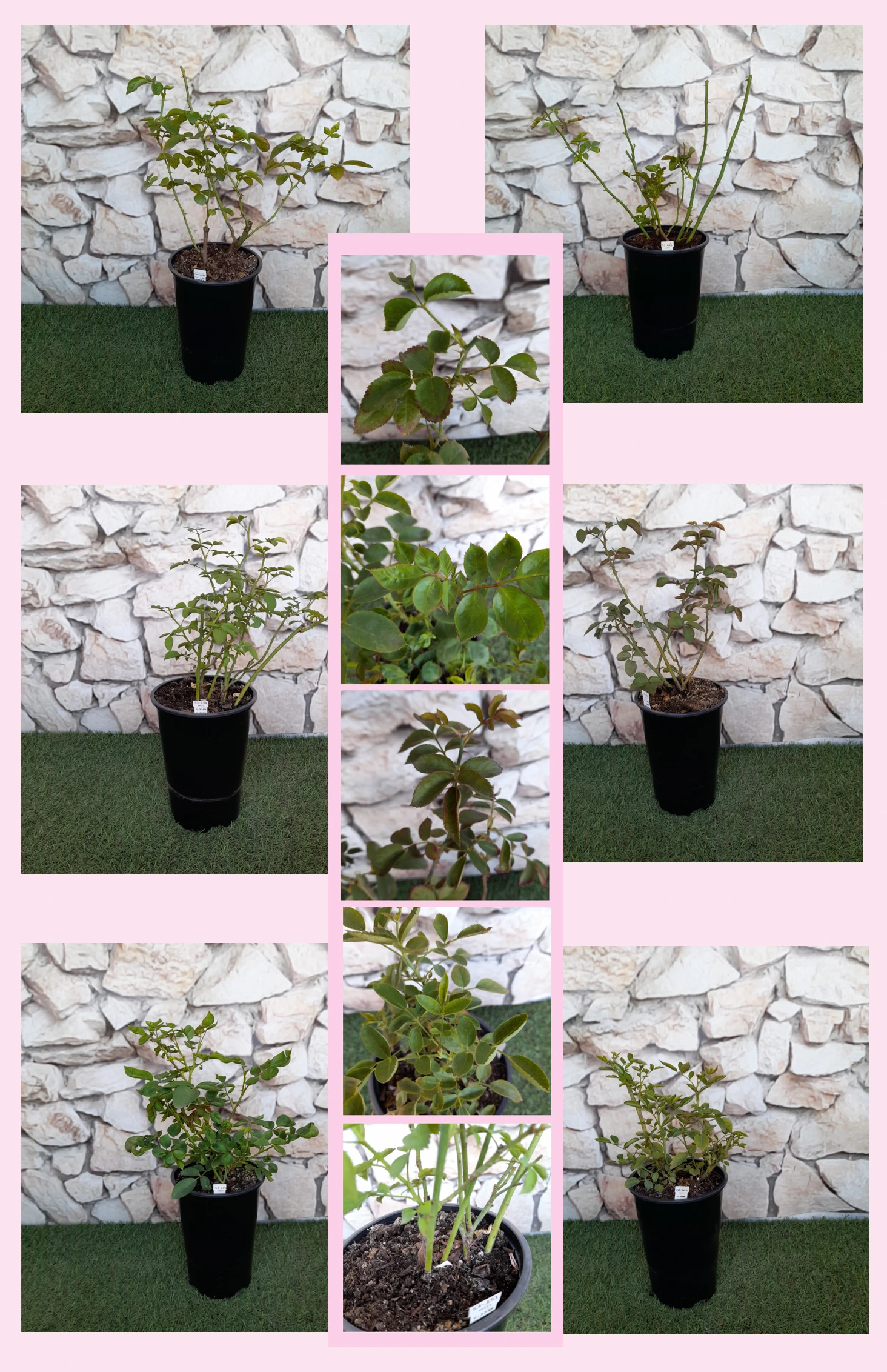
Step out after rain into a front garden that feels quietly composed: MYRIAM™ settles into compact, upright structure, clothing itself in dark green foliage and large, high-centred blooms of soft pastel pink. This hybrid tea thrives in typical British front gardens, coping reliably with cool summers and brisk, damp winds along exposed streets while keeping its blooms poised for cutting. As an own‑root rose it offers reassuring longevity, regenerating from its base if stems are damaged and maintaining stable, ornamental value over many seasons. The flowers carry a notably strong, long‑lasting fragrance that earns their place by the front gate or near a path where you pass daily. In a generous 40–50 litre container or a narrow border, you can expect balanced growth and repeat flowering through the season, with the first year focused on roots, the second on framework, and from the third year a full, mature display of elegant, cut‑worthy blooms that anchor a sustainable, rainwater‑friendly garden.
Usage options
| Target area |
Reasoning |
| Front garden statement rose |
The upright, compact habit and large, pastel-pink blooms create a clear focal point in small London-style front gardens without overwhelming the space, suiting those who want tidy structure and an easy-care highlight near the front door for the busy urban homeowner |
| Cut-flower and vase use |
As a classic hybrid tea with long, straight stems and very double, high-centred flowers, MYRIAM™ is ideal for home cutting, giving you strongly scented, long-lasting blooms indoors from mid-season flushes onward for the home flower arranger |
| Rainwater-friendly border with perennials |
Planted among lavender, sage or nepeta in a free-draining strip, it fits a sustainable, low-lawn front garden that manages rainfall gracefully along typical British streets that often experience frequent showers and blustery coastal-style conditions for the eco-conscious gardener |
| Own-root, long-lived garden framework |
The own-root form means no graft union to fail, so the plant can regenerate from its base after hard pruning or accidental damage, building a durable framework that rewards patient care over many years for the long-term planner |
| Container growing on steps or balconies |
In a 40–50 litre pot with good drainage, the dense foliage and repeat-flowering habit produce a neat, vertical accent for townhouses, making it practical where soil is limited but you still want a classic, perfumed rose for the space-conscious resident |
| Family garden path or seating area |
The strong, enduring scent and nearly thornless stems make it a considerate choice beside narrow paths or a small seating area, where you can enjoy the fragrance close up with minimal snagging risk for the family-focused gardener |
| Medium-maintenance showcase rose |
While occasional deadheading and standard rose care are needed, its compact structure, reliable remontant flowering and manageable disease profile suit gardeners wanting a premium-looking rose without specialist expertise for the confident beginner |
| Structured hedge or repeated planting |
Recommended spacings allow you to plant a low, evenly paced row that reads as a gentle pink hedge or rhythm of repeating accents, providing order and continuity along drives or boundaries for the design-conscious homeowner |
Styling ideas
- Romantic frontage – Line a short front path with MYRIAM™ and soft blue nepeta, letting the scented pink blooms and hazy edging create a welcoming, feminine entrance – ideal for terrace-house owners wanting gentle charm.
- Balcony classic – Grow a single plant in a 50 litre container with trailing thyme and spring bulbs beneath, giving year-round interest and summer fragrance – suited to flat dwellers seeking one luxurious focal rose.
- Powder-pink hedge – Repeat-plant along a low fence, interspersed with white gaura for movement, forming a light, airy boundary – perfect for families wanting structure without a heavy, solid screen.
- Pastel cutting bed – Combine MYRIAM™ with pale phlox, airy grasses and white echinacea in a small border dedicated to vases – great for hobby florists who enjoy regularly harvesting garden-grown stems.
- Calm courtyard – Place a pair in large pots flanking a bench, underplanted with silver sage and lavender for scent layers – ideal for those creating a reflective, low-maintenance sitting area.
Technical cultivar profile
| Parameter |
Data |
| Name and registration |
Hybrid tea rose, registered as COCgrand and marketed as Myriam™; ARS exhibition name Myriam™, classified in the hybrid tea group and suited to garden and cut-flower use. |
| Origin and breeding |
Bred in Scotland by Anne Gowens Cocker, James Cocker & Sons Ltd, from ‘Typhoo Tea’ × ‘Grandpa Dickson’; introduced and registered in 1990, distributed initially by James Cocker & Sons. |
| Awards and recognition |
Recipient of the Most Fragrant Rose Award at the Hamilton New Zealand Rose Trial Garden in 1998, confirming its strong, lasting perfume and ornamental performance under independent trial conditions. |
| Growth and structural characteristics |
Upright, compact shrub habit reaching about 80–110 cm high and 60–90 cm wide, with dense, slightly glossy dark green foliage and very few prickles, making it easier to handle in tight spaces. |
| Flower morphology |
Large, solitary hybrid tea blooms with over 40 petals, very double and rosette-shaped; flowering is remontant with a generous second flush, though spent blooms benefit from regular deadheading for best display. |
| Colour data and phenology |
Light pastel pink flowers, ARS LP; buds mid pink, opening to RHS 65C/65D, then fading to a soft, almost whitish pale pink, with colour retention modest but charming in its gentle, powdery transition. |
| Fragrance and aroma |
Strongly and persistently scented hybrid tea; fragrance is long-lasting on the plant and in the vase, emphasised by trial recognition, making it particularly suitable where perfume is a key selection factor. |
| Hip characteristics |
Due to the very double flowers, hip set is usually sparse, though occasional rounded hips of roughly 12–18 mm diameter may form; visual impact from hips is limited compared with the floral display. |
| Resistance and winter hardiness |
Rated to approximately −15 to −12 °C (RHS H6, Swedish zone 2, USDA 7b); disease resistance is medium for black spot, mildew and rust, so standard rose care and monitoring are recommended in damp seasons. |
| Horticultural recommendations |
Best in sunny positions with fertile, well-drained soil; plant 45–85 cm apart depending on use, allowing about 4–4.6 plants/m² for massing; maintenance is moderate, with routine feeding and plant protection as needed. |
MYRIAM™ offers a compact, fragrant, cut-flower-quality display that endures for years, and in its own-root form it establishes steadily into a resilient, long-lived feature rose worth considering for your garden plans.