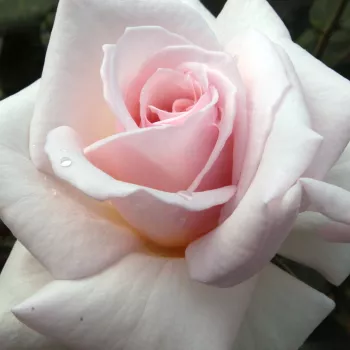
OPHELIA™ – pale pink hybrid tea rose - Paul
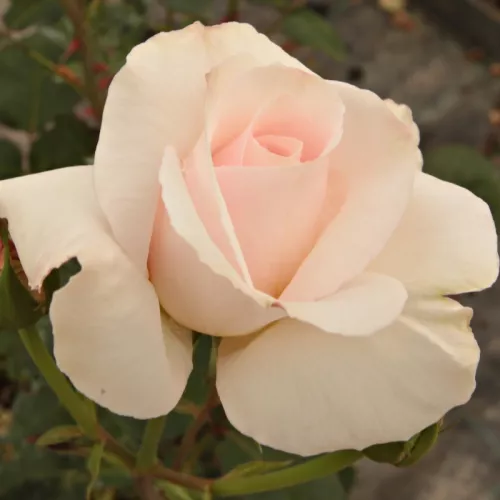
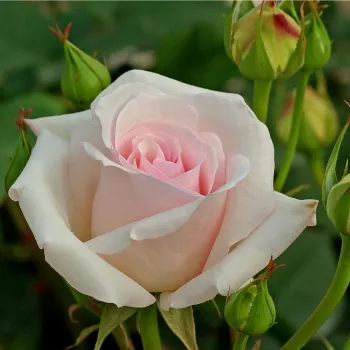
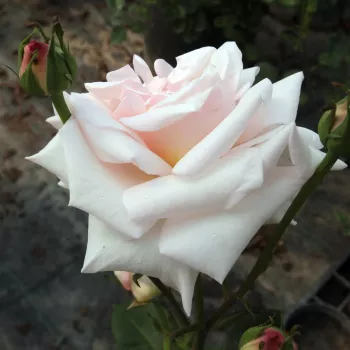
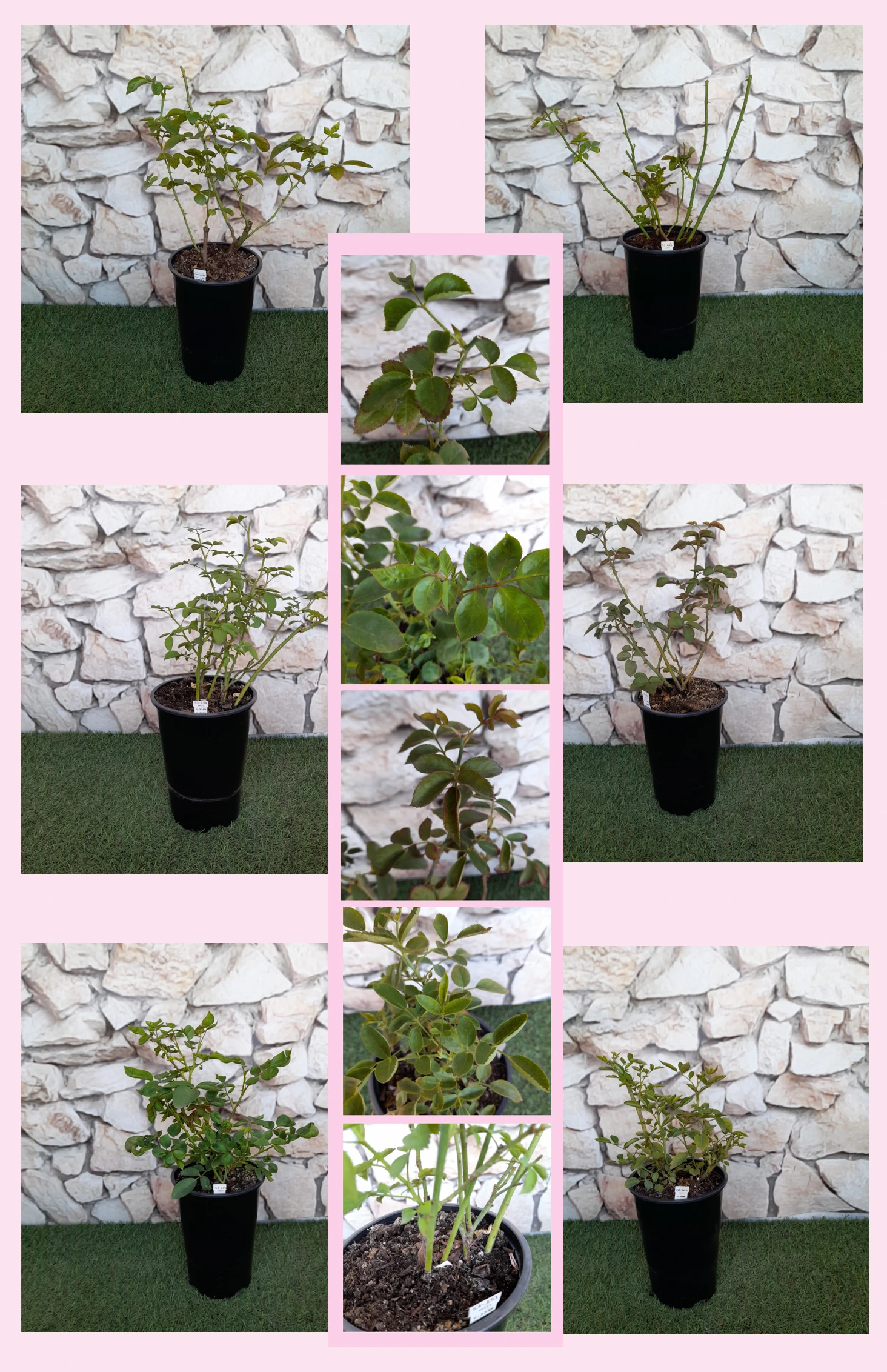
With its gently perfumed blooms and upright habit, OPHELIA™ brings a sense of balance to compact, rain‑kissed city spaces, coping reliably even where winds accompany frequent showers on heavier soils. This classic hybrid tea rose produces elegant, medium-sized, double flowers repeatedly from summer onwards, each pastel-pink bloom shaped for cutting and for admiring at eye level on the plant. Grown on its own roots in our 2‑litre container, it offers reassuring longevity, steady regeneration after pruning and weather, and a stable structure that settles in gradually rather than surging and failing. In the first year it quietly invests in roots, by the second it extends confident shoots, and by the third it reaches full ornamental presence in your front garden or small family plot.
Usage options
| Target area |
Reasoning |
| Front garden statement rose for terraced houses |
OPHELIA™ forms an upright, bushy shrub that fits neatly into narrow front gardens without overwhelming the space, giving a composed, architectural look beside a path or front door over many years for the busy urban gardener. |
| Cutting rose for home-arranged bouquets |
The solitary, medium-sized hybrid tea blooms sit on straight stems with a long-lasting, sweet fragrance, so you can cut flowers regularly across the season while the shrub maintains its shape, perfect for the home flower arranger. |
| Low-maintenance feature in mixed beds |
A moderately compact height and balanced spread make it easy to place among perennials and grasses; once established, it needs only routine deadheading and light seasonal pruning, suiting the time-pressed beginner. |
| Long-lived planting in family gardens |
As an own-root shrub it matures steadily, replacing older stems from its base rather than depending on a short-lived graft, so its form and flowering remain reliable year after year for the long-term garden planner. |
| Urban rose bed with rainwater-conscious care |
Performed in British conditions with regular rainfall and wind, it copes well where downpours and heavier soils are common, provided you give basic drainage and mulch, making it suitable for the climate-aware homeowner. |
| Classic rose hedge or row |
Planted at the recommended distances, OPHELIA™ creates a tidy, repeat-flowering line of pastel-pink blooms that reads as a single, coherent feature, ideal for edging drives or short front paths for the structure-loving gardener. |
| Container rose for patios and balconies |
Its moderate size and upright habit suit a deep pot of at least 40–50 litres, where good watering and peat-free compost support stable growth and reliable flowering close to seating areas for the courtyard and balcony owner. |
| Scent-focused seating or path-side planting |
The strong, sweet fragrance carries well in still evening air, so a single shrub near a bench or narrow path perfumes the space after rain, creating an intimate, restorative atmosphere for the scent-seeking garden visitor. |
Styling ideas
- Pastel Welcome – Frame a terraced-house doorway with OPHELIA™ and low, silver Artemisia schmidtiana ‘Nana’ to echo its soft pink petals – ideal for front-garden minimalists.
- Romantic Border – Mix OPHELIA™ with lavender or nepeta for a gently fragrant, textural contrast that flowers through summer – well suited to relaxed family gardens.
- Structured Row – Plant a straight line beside a path, underplanting with Euonymus fortunei ‘Minimus’ for evergreen groundcover – perfect for those who like tidy, formal outlines.
- Balcony Focus – Grow a single plant in a 50‑litre container with trailing herbs around the rim to soften the pot – appealing for small-space urban gardeners.
- Scented Nook – Place one or two shrubs by a sitting area, pairing with soft grasses for movement that doesn’t compete with the blooms – designed for evening relaxers.
Technical cultivar profile
| Characteristic |
Data |
| Name and registration |
Hybrid Tea rose marketed as OPHELIA™ – pale pink hybrid tea rose - Paul; exhibition name ‘Ophelia’. Part of the hybrid tea group, traditionally used for cutting and garden display. |
| Origin and breeding |
Bred by William Paul & Son, Waltham Cross, United Kingdom, from an ‘Antoine Rivoire’ seedling; introduced in 1912 and long established as a classic hybrid tea rose selection. |
| Growth and structural characteristics |
Upright, bushy shrub 80–110 cm tall and 50–70 cm wide, with moderately dense, slightly glossy mid- to dark-green foliage and moderate thorniness; overall growth is balanced and tidy. |
| Flower morphology |
Medium-sized, double, cup-shaped flowers with 26–39 petals, produced mainly singly on stems; remontant, with a good second flush after the main early-summer flowering period. |
| Colour data and phenology |
Pale pastel pink with a warm, peachy mid-tone; buds powder pink with creamy-yellow bases. RHS 65C outer, 11D inner; colour lightens in strong sun yet retains excellent overall colour stability. |
| Fragrance and aroma |
Strong, long-lasting perfume with a slightly sweet character; scent is noticeable both on the plant and when stems are cut for indoor use, enhancing its value as a traditional scented hybrid tea. |
| Hip characteristics |
Limited hip set due to double flowers; when present, small spherical hips 8–12 mm across develop, ripening to orange-red and adding a discreet seasonal accent in late season. |
| Resistance and winter hardiness |
Hardy to approximately –26 to –23 °C (RHS H7; USDA 5b; Swedish zone 4). Moderate disease resistance overall; generally resistant to powdery mildew and black spot, with moderate rust sensitivity. |
| Horticultural recommendations |
Best in full sun with well-drained soil and regular watering in dry spells. Space 45–90 cm depending on use; deadhead to promote repeats and prune annually to maintain shape and vigour. |
OPHELIA™ offers long-lasting fragrance, elegant repeat-flowering blooms and a compact, enduring shrub form that benefits from the resilience and steady performance of an own-root rose; consider it if you value subtle beauty that matures gracefully.