ORANGE™ – orange tea-hybrid rose - Tanjga
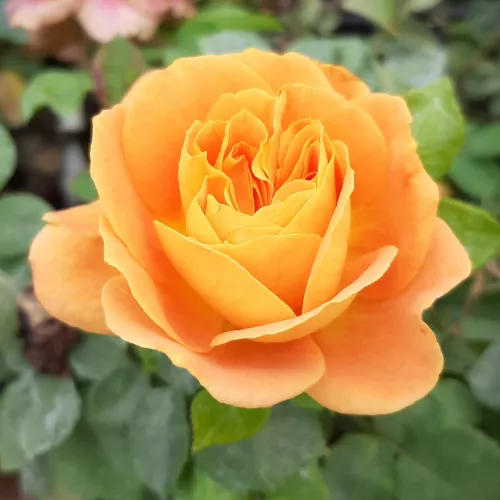
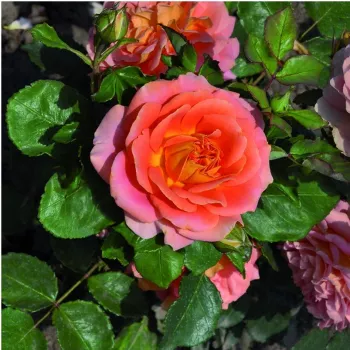
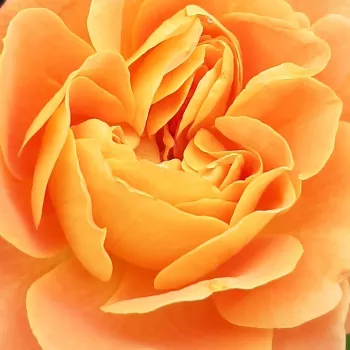
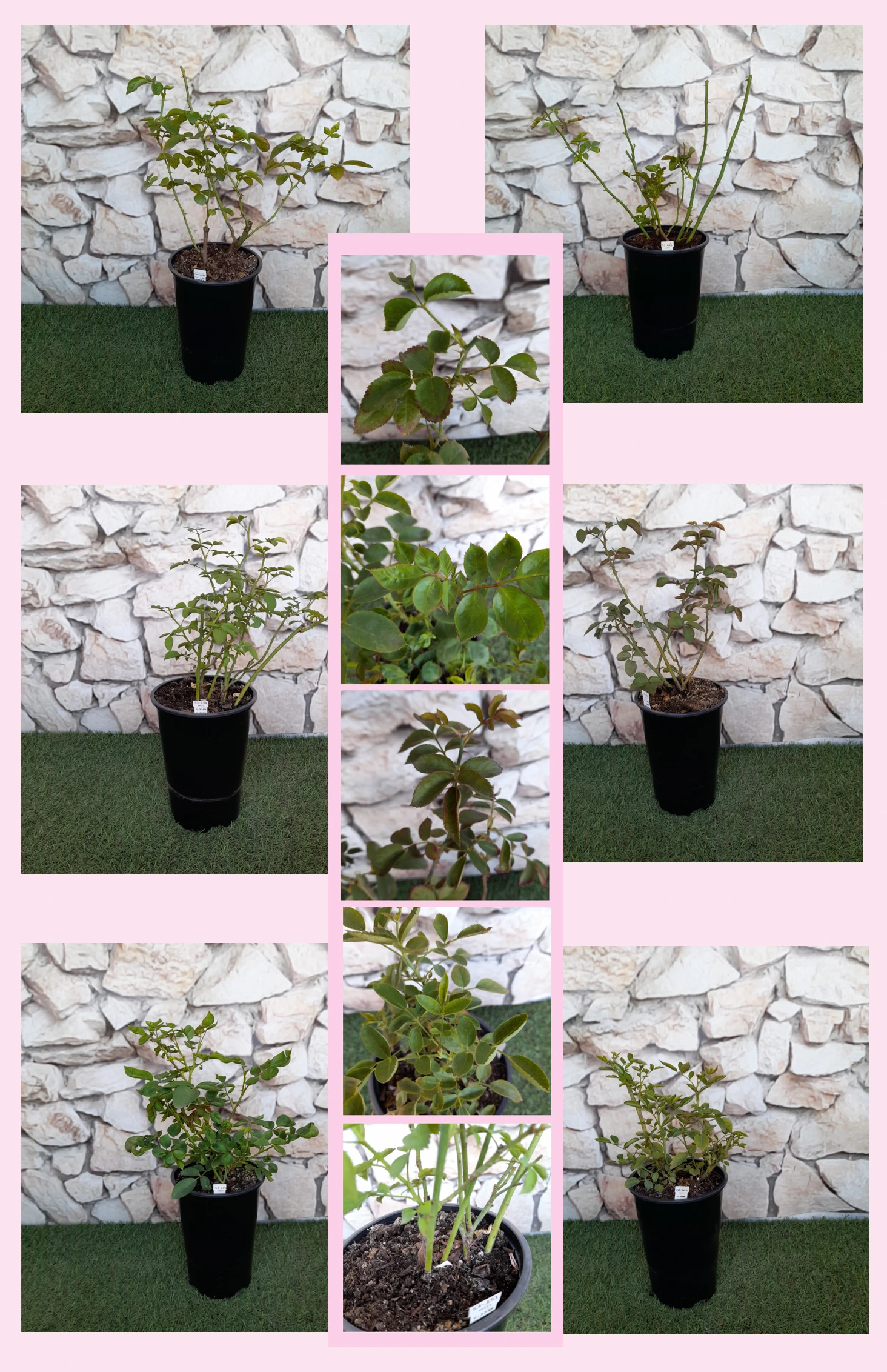
Step through your front gate to a flush of orange blooms that seem to glow after rain, compact bushes keeping paths neat yet vibrant and coping steadily with Britain’s changeable weather, even where soil stays heavy after showers. This hybrid tea forms a tidy, low hedge of long-stemmed, exhibition-style flowers, ideal for cutting and displaying indoors in your favourite vase. Its own-root growth offers reassuring longevity, building strong roots in year one, fuller framework in year two and confident, showy flowering by year three. The medium, rose-like fragrance is noticeable without overwhelming a small London front garden or balcony. Dark, glossy foliage sets off the clear, mid-orange petals that soften to peach tones as they age, giving each plant a painterly mix of shades. With moderate disease resistance and sparse thorns, routine care is straightforward, ideal for busy, sustainability-minded city gardeners who prefer beauty without fuss.
Usage options
| Target area | Reasoning |
|---|
| Small London front garden hedge |
The compact, bushy habit and 36–54 cm height make this rose ideal for a low, friendly front-garden hedge along a path or railings, giving repeated flushes of vivid orange flowers with minimal pruning for busy urban homeowners. |
| Feature container by the doorstep |
Planted singly in a 40–50 litre peat-free pot, its upright, hybrid-tea form and long stems create a refined accent by the front door, while own-root vigour helps it recover well if containers dry between waterings for time-pressed beginners. |
| Rainwater-conscious terrace or balcony |
Suited to life in a large container irrigated from water butts, this variety fits neatly into rainwater-friendly planting schemes where compact size means no overpowering of neighbours, supporting greener choices for urban gardeners. |
| Mixed bed in heavy or clay soil |
Its moderate disease resistance and strong own-root framework offer stable performance in typical British conditions, handling sites where soil stays wet longer after showers and rewarding simple mulching habits for family gardens. |
| Cutting patch for home bouquets |
Hybrid tea flowers on straight stems make excellent cut blooms, with a clear mid-orange tone and peach highlights that mix well with home-grown foliage, letting you cut armfuls for vases without specialist skills for creative hobbyists. |
| Edging along a sunny path |
The recommended 25–30 cm spacing allows a neat, low edging row that outlines paths with colour while still leaving room to walk, and sparse prickles make brushing past less of a concern for households with curious children. |
| Compact rose display on chalky sites |
Own-root planting in improved, well-drained soil supports steady growth on many UK garden soils, including lighter chalky areas, giving a reliable focal point where space is tight and time for complex soil correction is limited for urban residents. |
| Autumn interest with ornamental hips |
After flowering, small spherical orange hips add a subtle extra season of interest, extending value beyond summer and suiting gardeners who appreciate long-lived structure and colour rather than short-term bedding effects for thoughtful planners. |
Styling ideas
- Front-Hedge Chic – Line a short front boundary with a clipped row of this rose, underplanting with low creeping phlox to soften the base – ideal for style-aware terraced-house owners.
- Balcony Glow – Grow a single plant in a 50 litre container with trailing ice plant spilling over the rim to echo the orange tones – perfect for busy balcony gardeners.
- Cutting-Corner – Combine a trio of plants with upright lavender and nepeta in a sunny bed, giving fragrant stems ready for weekend cutting – suited to hobby florists at home.
- Pathway Ribbon – Edge a straight garden path with this compact rose and a narrow strip of gravel for drainage, weaving in pockets of dwarf honeysuckle – great for low-maintenance family spaces.
- Peach-Sunset Mix – Pair the orange–peach bloom tones with silvery sage and soft ornamental grasses for a modern, sustainable front garden – recommended for contemporary city plots.
Technical cultivar profile
| Parameter | Data |
|---|
| Name and registration |
Hybrid tea rose from the Art Vaza® collection; registered as BOZvaz016 and marketed as Orange™ Art Vaza® BOZvaz016 for garden and cutting use. |
| Origin and breeding |
Bred by Biljana Božanić Tanjga at PhenoGeno Roses, Serbia; introduced 2019, with parentage not disclosed, representing a modern compact hybrid tea line. |
| Growth and structural characteristics |
Forms a compact, bushy shrub 36–54 cm high and wide, with dense, slightly glossy dark green foliage and relatively sparse prickles, suited to edging, containers and small formal beds. |
| Flower morphology |
Medium-sized, double, cup-shaped flowers borne mainly solitary on stems, with approximately 26–39 petals and good repeat blooming, including an abundant second flush in suitable conditions. |
| Colour data and phenology |
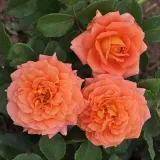
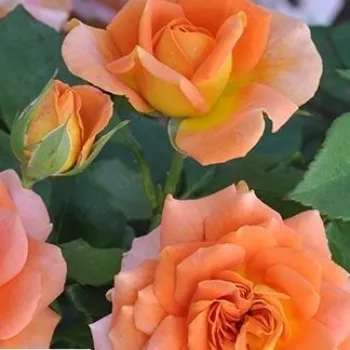
Clear mid-orange blooms (RHS 28A–28B, ARS OR) open deep orange with rosy-peach edges, then fade through pastel peach-orange, giving a softly blended, warm effect across the flowering period. |
| Fragrance and aroma |
Moderate-strength classic rose scent, noticeable on close approach but not overpowering, contributing to enjoyable cutting and near-seating use without dominating surrounding planting compositions. |
| Hip characteristics |
Produces small spherical orange hips, around 10–14 mm in diameter, offering modest ornamental value into autumn and adding a gentle, naturalistic extension to the seasonal display. |
| Resistance and winter hardiness |
Hardy to approximately –21 to –18 °C (RHS H7, Swedish zone 3, USDA 6b) with moderate resistance to black spot, powdery mildew and rust under typical garden conditions. |
| Horticultural recommendations |
Best in full sun with well-drained soil; space 25–50 cm depending on use, water regularly in containers, and apply occasional plant protection where local disease pressure is consistently high. |
ORANGE™ – orange tea-hybrid rose - Tanjga offers compact, repeat flowering, ornamental hips and dependable own-root longevity; a considered option if you want lasting colour from a small, easy-care rose.