ORANGERIE ® – orange bedding floribunda rose – Kordes
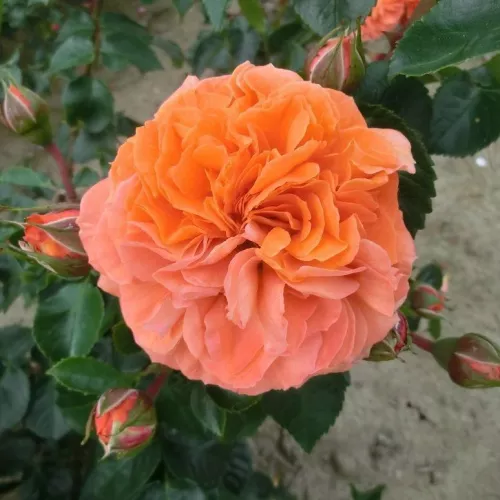
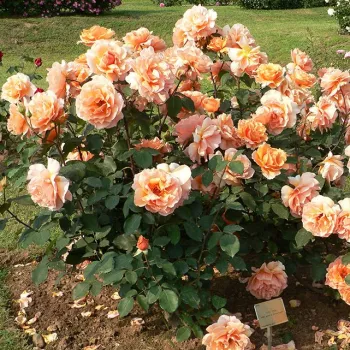
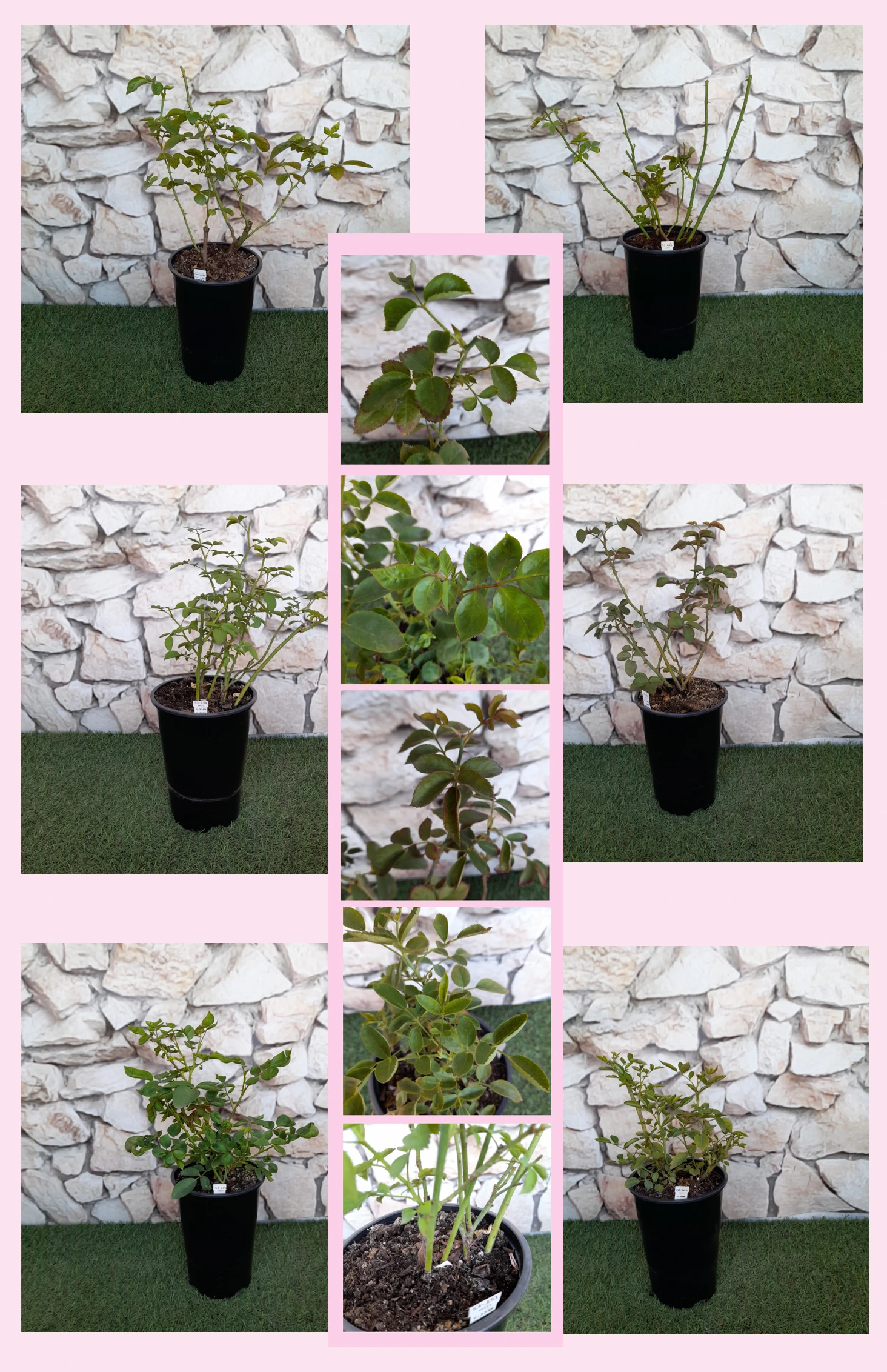
Step from pavement to orangerie calm with this compact, upright floribunda that thrives in small, rain‑kissed London front gardens, even where cool summers bring humidity and frequent showers. Its vivid orange, rosette blooms hold their colour in strong sun, while dense, dark green foliage keeps the plant looking effortlessly fresh. Bred by Kordes and ADR‑qualified, it offers outstanding disease resistance and winter hardiness, supporting a long‑term, low‑input planting. As an own‑root rose, it builds strength steadily – roots in year one, shoots in year two, then full ornamental impact by year three – giving you a quietly dependable, sustainable garden partner.
Usage options
| Target area |
Reasoning |
| Narrow London front garden border |
The compact, upright habit (80–105 cm) and 50–70 cm spread make it ideal for slim beds along paths, giving a structured look without overwhelming small spaces. Its vivid orange blooms stay tidy with light deadheading, suiting the time‑pressed townhouse gardener |
| Low‑maintenance family flowerbed |
Excellent disease resistance, ADR‑level health and good hardiness to around –25 °C support a long‑lived, reliable rose that copes with everyday family use and varied UK weather with minimal intervention, reassuring the busy family gardener |
| Urban heat‑exposed front garden |
Selected for good heat tolerance and strong colour retention, it keeps its rich orange tones even in reflected street heat and full sun, staying vibrant rather than washed out, which suits the design‑conscious urban homeowner |
| Clay‑soil, rain‑fed beds |
Its vigorous foliage and robust root system respond well when planted into improved clay with good drainage, making it a steady performer in wetter, cooler districts that rely mainly on stored rainwater, encouraging the sustainability‑minded city gardener |
| Own‑root, long‑term planting schemes |
As an own‑root rose, it regenerates well from the base, avoiding graft‑failure problems and supporting decades of stable shape and flowering, which is ideal for long‑range garden plans favoured by the thoughtful planner |
| Balcony or terrace container (40–50 L+) |
In a 40–50 litre or larger pot with peat‑free compost, its upright, compact growth and moderate height give a strong vertical accent without wind‑rock, creating a durable focal point for the space‑aware apartment gardener |
| Season‑long colour backbone |
Remontant flowering with a generous second flush ensures colour from early summer into autumn; clusters of double blooms provide a reliable orange thread through mixed planting, appealing to the colour‑focused beginner |
| Small, formal front‑garden structure |
The dense foliage and consistent bushy outline make it suitable for short, low hedging or rhythmical repeats, giving neat structure that reads well from the street and supports the ambitions of the style‑aware terraced‑house owner |
Styling ideas
- Courtyard – Line a short path with repeated Orangerie and lamb’s ear for a soft silver‑and‑orange edge – ideal for small front gardens seeking structure with minimal care
- Sunset – Combine Orangerie with warm‑toned echinacea and dwarf asters for a long‑season orange‑and‑peach glow – perfect for those wanting extended colour from one reliable backbone rose
- Container – Plant Orangerie in a 50 L terrace pot with creeping thyme around the base – suited to balcony owners needing upright impact without overwhelming the space
- Formal – Use evenly spaced Orangerie bushes as a low hedge, underplanting with lavender for scent and contrast – for homeowners after a tidy, classic look from a compact shrub
- Modern – Pair Orangerie with gravel mulch, nepeta and vertical grasses to echo contemporary urban landscaping – good for design‑minded gardeners favouring clean lines and durable structure
Technical cultivar profile
| Parameter |
Data |
| Name and registration |
Floribunda bed rose from the MärchenRosen collection; registered as KORgeriora and marketed as Orangerie ® MärchenRosen ®, an exhibition floribunda for bush and bedding use. |
| Origin and breeding |
Bred by Tim‑Hermann Kordes in Germany (2006), introduced and registered in 2016 by W. Kordes; parentage not disclosed but selected for health and compact growth. |
| Awards and recognition |
ADR qualification in 2016, followed by major trial success: Baden‑Baden 4th prize (2017), Kortrijk Gold Medal (2018), Hradec Best Rose (2018) and Glasgow Silver Medal (2019). |
| Growth and structural characteristics |
Compact, upright bush habit to around 80–105 cm high and 50–70 cm wide, with dense, slightly glossy dark green foliage and moderate prickliness, well suited to small borders and containers. |
| Flower morphology |
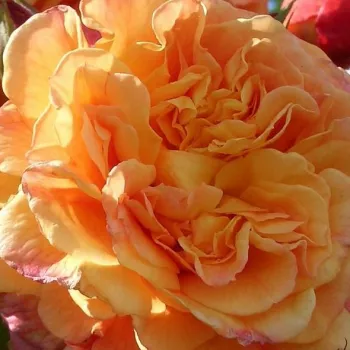
Cluster‑flowered floribunda with medium‑sized, very double rosette blooms bearing over 40 petals; remontant and generous second flush gives reliable repeat across the season. |
| Colour data and phenology |
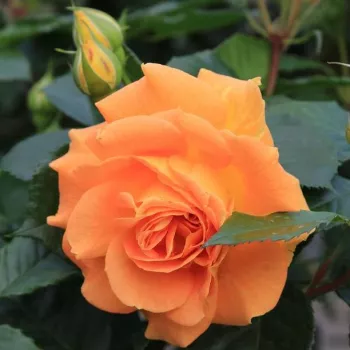
Uniform vivid orange blooms (RHS 28B outer, 30B inner) that hold colour well in strong sunlight; tones shift gently toward peach‑orange as flowers age, maintaining decorative value to fall. |
| Fragrance and aroma |
Soft, fruity character with mild intensity, offering a gentle background scent rather than a dominating perfume, which suits seating areas or entrances where subtlety is preferred. |
| Hip characteristics |
Occasional small, spherical hips around 10–14 mm across, bright red in colour and mainly ornamental, adding discreet late‑season interest without crowding the neat bush shape. |
| Resistance and winter hardiness |
High health profile, with field resistance to black spot, powdery mildew and rust; cold‑hardy to about –26 °C (RHS H7, Swedish Zone 4, USDA 5b), suitable for most UK regions. |
| Horticultural recommendations |
Best in sunny sites with fertile, well‑drained soil; water regularly in extended dry spells and deadhead to encourage repeat flowering, keeping maintenance low yet ornamental performance high. |
ORANGERIE ® offers compact, season‑long orange flowering and ADR‑level health in a durable, own‑root form that builds into a long‑lived, low‑effort feature for your garden; it may be the dependable accent you are looking for.