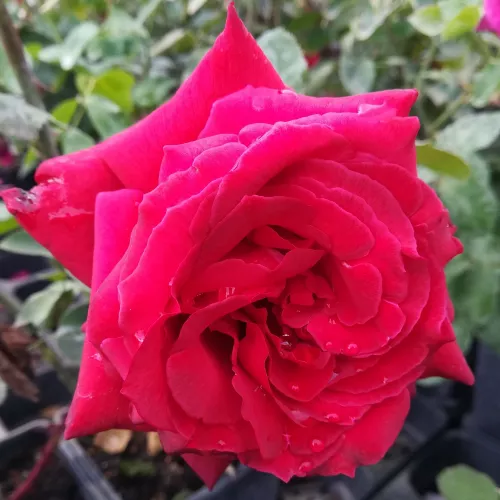
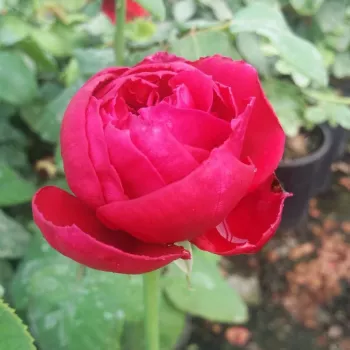
PANNONHALMA – cherry-red hybrid tea rose – Márk
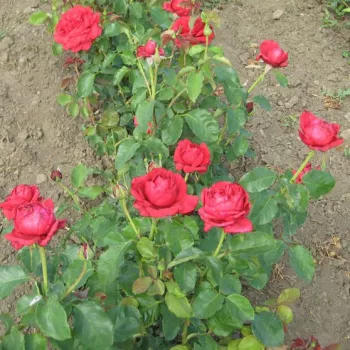
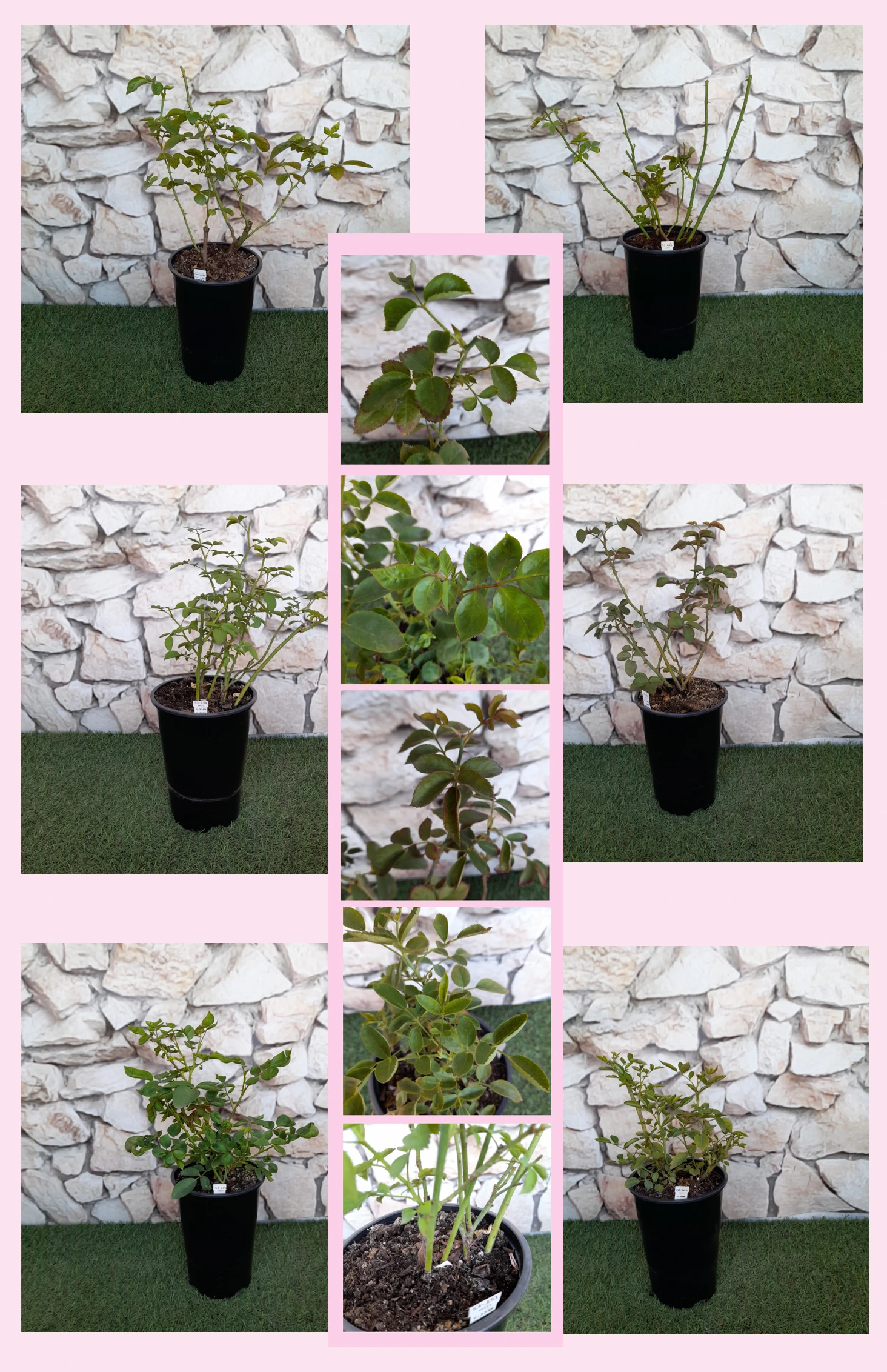
Imagine your London front garden after rain: paving still damp, leaves rinsed clean, and a line of cherry-red blooms guiding you to the door. PANNONHALMA is a compact hybrid tea rose bred by Márk Gergely, ideal where space is tight yet you want strong colour and calm, balanced structure. Its erect habit and moderate height make it easy to place in smaller beds or a single large container, while its reliable repeat flowering keeps the border vivid from early summer well into autumn. Disease-resilient foliage means less spraying and more time to enjoy your garden, even in areas with persistent humidity and fungal pressure softened by good air movement. As an own-root plant, it establishes steadily, forming a stable framework that can be refreshed by pruning without fear of losing its character. Over the first three years it builds quietly below ground, then above: roots in year one, confident new shoots in year two, and full ornamental presence by year three. In a rainwater-conscious setting, it partners beautifully with low, grey-leaved perennials that help absorb runoff, while its medium, classic-shaped blooms offer an elegant, almost meditative rhythm along a path. The medium-strength, long-lasting fragrance adds an extra layer of enjoyment each time you pass, especially where walls or fences hold the scent. Whether you are planning a neat urban frontage or a small family back garden, PANNONHALMA provides dependable structure, long-season flowering, and a quietly luxurious point of focus with very little ongoing effort, making it an attractive choice if you favour enduring balance over constant gardening work.
Usage options
| Target area |
Reasoning |
| Front garden feature by the path |
The upright, compact habit and large, cupped, cherry-red blooms read clearly from the pavement, giving a tidy, intentional look to a narrow London front garden with minimal pruning or shaping for the time-poor householder. |
| Rainwater-conscious terraced-house border |
Planted in a slim soil strip with free-draining structure, it pairs well with low perennials that help capture rainfall, making it suitable for small urban gardens where you want reliable colour while still managing frequent rain and breeze in exposed streets for the eco-minded gardener. |
| Large container on steps or balcony (40–50 L+) |
In a 40–50 litre or larger pot, its moderate height and erect form remain stable in wind, while the own-root system slowly thickens, allowing you to renew top growth over the years without the worry of rootstock shoots for a design-conscious renter. |
| Low-maintenance family cutting corner |
Abundant, repeat-flowering, long-stemmed hybrid tea blooms provide regular stems for the vase from early summer onwards, yet foliage stays resistant and generally clean without complex spraying, suiting a busy family that still enjoys home-grown bouquets for the aspiring florist. |
| Small formal rose bed or grid planting |
Regular spacing at 40–50 cm creates a balanced, organised grid, and its moderately dense, mid-green foliage keeps the bed looking structured even between flushes, ideal for those wanting a “proper” rose bed without intricate clipping for the neatness-loving beginner. |
| Accent in a mixed perennial border |
The deep cherry-red flowers stand out against grasses, nepeta or soft pink perennials, while repeat flowering ensures the rose continues to anchor the composition across the season, supporting a dynamic but low-fuss planting for the experimental planner. |
| Clay or chalk-improved garden soil |
Once the planting hole is improved with organic matter and drainage, its resilient root system and disease resistance help maintain ornamental value where heavy or alkaline soils can be challenging, suiting pragmatic owners upgrading existing plots for the practical owner. |
| Long-term own-root investment planting |
As an own-root rose, it ages gracefully: if stems become woody or damaged, rejuvenation pruning simply encourages new shoots of the same cultivar, supporting a long-lived feature that matures with your planting plans for the long-horizon planner. |
Styling ideas
- Urban-Classic – Line PANNONHALMA along a short front path with lavender or nepeta edging to soften runoff and frame the doorway – ideal for terrace owners wanting a traditional feel with low effort.
- Crimson-Focus – Use a trio in a small square bed, underplanted with soft grasses, to create a strong cherry-red focal point in an otherwise green scheme – suited to minimalistic gardeners seeking one clear highlight.
- Balcony-Vase – Grow a single plant in a 50 L container with trailing thyme and ivy for underplanting, giving you regular cut stems and scented passes on a compact balcony – perfect for flat-dwellers who like home-grown flowers.
- Rain-Garden-Rim – Combine along the raised edge of a small rain-collecting bed with sage and honesty, so bold blooms rise above foliage that helps slow water – for eco-minded owners designing permeable front gardens.
- Structured-Mix – Thread a few plants through a mixed border of bearded iris and cottage perennials, letting the erect stems and repeat flowers provide structure over looser companions – attractive to hobbyists refining a small plot.
Technical cultivar profile
| Property |
Data |
| Name and registration |
PANNONHALMA hybrid tea rose by Márk; exhibition-type hybrid tea, used both in beds and as a cut flower; current trade and exhibition name Pannonhalma within the hybrid tea rose group. |
| Origin and breeding |
Bred by Hungarian rosarian Márk Gergely and introduced in 1991 via PharmaRosa® Ltd.; exact parentage and registration year are not recorded, but selection reflects classic hybrid tea form and colour. |
| Growth and structural characteristics |
Erect, bushy hybrid tea with moderately dense, mid-green, slightly glossy foliage; reaches about 80–110 cm in height and 60–80 cm in spread, forming a neat, manageable shrub in average gardens. |
| Flower morphology |
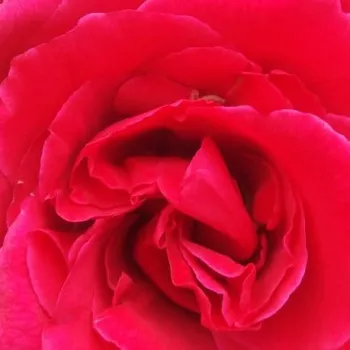
Very full, solitary hybrid tea blooms with more than 40 petals; large flower size on strong stems, classic cupped form, and repeat-flowering habit with an abundant second flush in suitable conditions. |
| Colour data and phenology |
Rich cherry-red with velvety impression; dark burgundy buds open to deep red flowers that soften only moderately, moving towards muted wine-red just before fading, maintaining depth of tone through most of the bloom. |
| Fragrance and aroma |
Medium-strength, full rose fragrance with a traditional scent character; aroma is noticeable on still days and lingers on cut stems, contributing to sensory impact along paths or in containers near seating. |
| Hip characteristics |
Occasional ellipsoid hips, about 10–14 mm long, colouring orange-red; not a heavy fruiting variety but may offer small seasonal accents where flowers are not all deadheaded for cutting. |
| Resistance and winter hardiness |
Rated H4 with Swedish Zone 1 and USDA 8b equivalence; good resistance reported against black spot, powdery mildew and rust, supporting low-input care in typical mild UK gardens with reasonable drainage. |
| Horticultural recommendations |
Best in sunny positions with improved, free-draining soil; plant 40–80 cm apart depending on use; low maintenance with light annual pruning and deadheading, suitable for bedding, hedging and cutting gardens. |
PANNONHALMA offers rich cherry-red blooms, steady repeat flowering and reassuring disease resistance on a long-lived own-root framework, a thoughtful choice if you favour enduring structure with moderate care.