PANOLDAP – pink hybrid tea rose - Panozzo
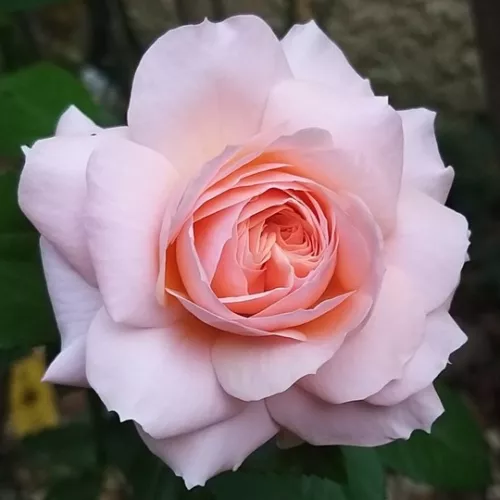
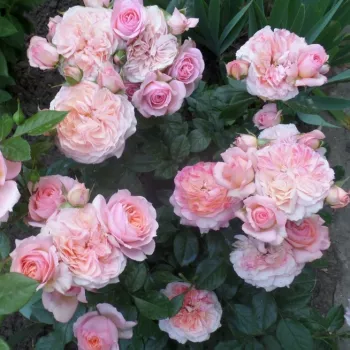
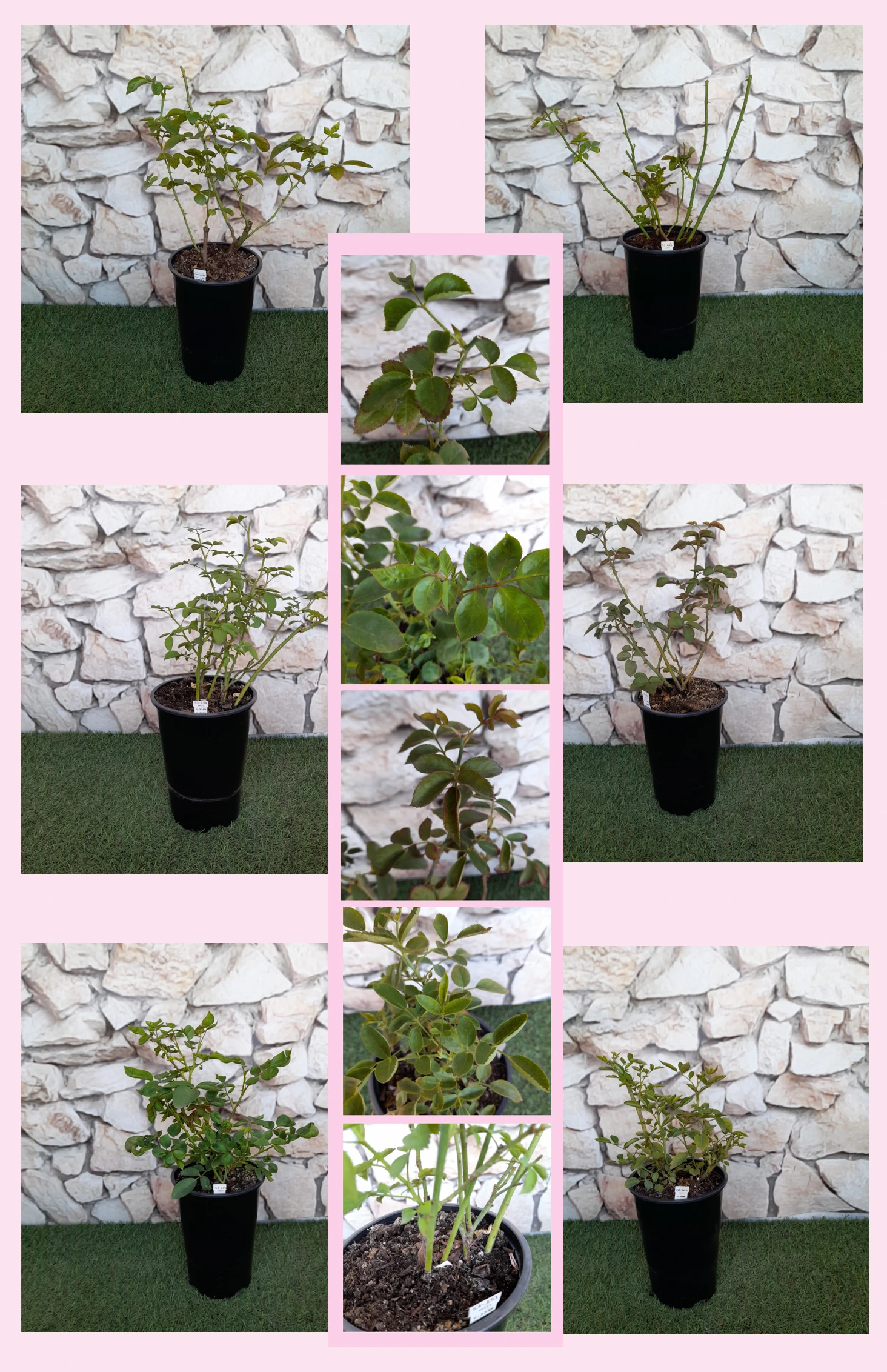
Step off the busy pavement into a front garden of balance, where softly blushed blooms of PANOLDAP rise above glossy foliage and bring a sense of calm after rain. This hybrid tea’s warm peach‑pink rosettes and fragrance create a gentle “girly” welcome beside London railings or on a small terrace, while its upright habit makes it easy to fit into narrow beds or large planters. Own‑root planting supports a long‑lived structure that regenerates well after pruning, offering stable ornamental value without complex techniques. In heavier soils it copes well when you improve drainage, an easy way to handle wetter, windier seasons in many UK gardens. Over time, strong roots, repeating flowering flushes and moderate pollinators interest turn it into a reliable feature, especially when paired with low‑care perennials that echo its pastel tones. Allow space for its mature height and you can enjoy single, elegant stems for cutting, while in the border it gradually fills out and becomes a settled part of your outdoor routine.
Usage options
| Target area | Reasoning |
|---|
| Small front garden feature |
The upright, moderately tall growth fits narrow beds by paths or bay windows, giving clear stems topped with classic hybrid tea blooms without overwhelming a compact plot, ideal for framing a doorway for the busy urban homeowner. |
| Cutting patch or single‑stem border |
Large, double rosette blooms on strong, straight stems suit home cutting and simple vase arrangements, letting you take fragrant, pastel flowers indoors from midsummer to autumn, appealing to home decorators who enjoy occasional home‑grown bouquets. |
| Large container on terrace or balcony |
Planted in a 40–50 litre pot with good drainage, PANOLDAP keeps a vertical outline and clear flowering points, easy to underplant with herbs or low perennials, convenient for renters and balcony gardeners wanting a movable, elegant rose presence. |
| Pastel “girly” planting with perennials |
Soft peach‑pink flowers pair beautifully with lavender, sage or nepeta, creating a gentle, feminine border that looks considered without demanding complex maintenance, attractive for beginners seeking harmonious colour schemes with minimal planning. |
| Own‑root, long‑term garden investment |
As an own‑root rose, PANOLDAP builds its strength progressively, offering reliable regrowth from its own wood and a stable shape even after hard pruning, reassuring for those who prefer planting once and enjoying long‑term reward. |
| Season‑long colour focus point |
Remontant flowering with a generous second flush keeps colour coming through summer into autumn, giving a continuous focal point rather than a short seasonal show, well suited to garden owners wanting dependable, visible value from limited planting space. |
| Rain‑aware, improved clay border |
In typical UK heavy clay, planting into a raised, well‑drained bed or mixed with coarse grit helps PANOLDAP establish roots that cope better with wet spells and wind, useful for urban gardens concerned about managing heavier rainfall in small spaces. |
| Lightly wildlife‑minded family garden |
While fully double, the blooms still offer moderate attraction for visiting insects, especially when combined with more open, nectar‑rich companions, suiting families who want some pollinator interest without turning the whole garden into a wildflower area. |
Styling ideas
- Pastel-Entrance – Line a short front path with PANOLDAP and soft lavender, echoing door and paint colours for a gentle “girly” welcome – ideal for terrace owners wanting coordinated kerb appeal.
- Balcony-Boudoir – Grow a single plant in a 50 litre pot with trailing nepeta and soft grasses for movement and scent – perfect for flat dwellers craving a romantic, low‑effort outdoor nook.
- Cutting-Strip – Place PANOLDAP in a sunny side border with repeat‑flowering perennials so you can harvest stems without leaving gaps – suited to home florists who like simple, fragrant arrangements.
- Pastel-Hedge – Plant a loose, low row along a front fence, backed by climber‑clothed trellis, to give structure and soft colour – good for families seeking a tidy yet pretty boundary.
- Rain-Garden – Set PANOLDAP in a slightly raised, well‑drained island bed with moisture‑tolerant companions to handle downpours gracefully – useful for urban gardeners managing roof or driveway runoff.
Technical cultivar profile
| Property | Data |
|---|
| Name and registration |
Hybrid tea rose, registered as PANaldap, marketed as PANOLDAP – pink hybrid tea rose - Panozzo; exhibition‑standard hybrid tea suitable for both garden display and home cutting. |
| Origin and breeding |
Bred by Bernard Panozzo in France and introduced in 2011 by Pétales de Roses; exact parentage is unknown, but selection emphasised flower form and fragrance within the hybrid tea group. |
| Growth and structural characteristics |
Upright, bushy plant reaching about 80–110 cm in height and 60–85 cm spread, with dense, glossy dark green foliage and moderate prickliness, forming a compact, vertical feature in beds or containers. |
| Flower morphology |
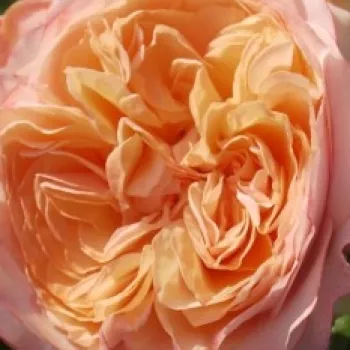
Large, double, rosette‑shaped blooms with approximately 26–39 petals, usually borne singly on stems, with reliable remontant behaviour and a notably abundant second flush in suitable conditions. |
| Colour data and phenology |
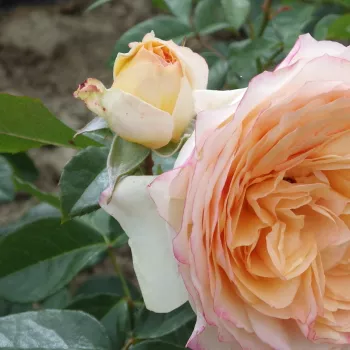
Closed buds show pale powder‑pink outer petals and peach‑salmon inner tones, opening to apricot‑coral with a golden shimmer, then soft peach‑pink, finally fading to powder‑pink‑cream with a delicate porcelain effect. |
| Fragrance and aroma |
Strong, spicy rose fragrance clearly noticeable from a distance in still air; scent quality makes it particularly attractive for seating areas, entrances and cutting gardens where aroma is a key design element. |
| Hip characteristics |
Produces moderate numbers of small, ellipsoidal orange‑red hips about 8–12 mm across, adding subtle late‑season interest if spent flowers are not deadheaded, while remaining unobtrusive in formal schemes. |
| Resistance and winter hardiness |
Very susceptible to black spot, powdery mildew and rust, so regular, planned plant protection is essential; reliably hardy to around −26 to −23 °C (RHS H7, USDA 5b, Swedish zone 4) once established. |
| Horticultural recommendations |
Best in sunny beds, parks or containers; space 40–75 cm depending on use. Needs consistent feeding, pruning and proactive disease management, so suits gardeners prepared for regular, attentive care and monitoring. |
PANOLDAP – pink hybrid tea rose - Panozzo offers season-long pastel blooms, strong fragrance and an upright, cuttable form on a durable own-root plant, making it a considered choice if you enjoy caring for a distinctive feature rose.