PANVESON – mauve hybrid tea rose – PANveson
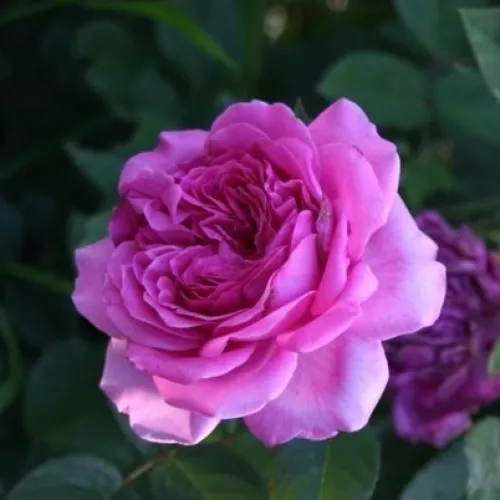
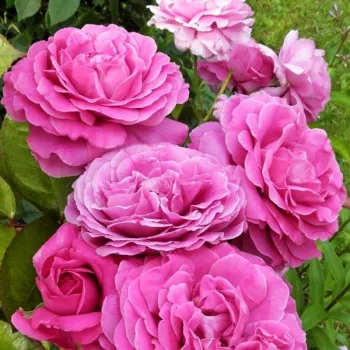
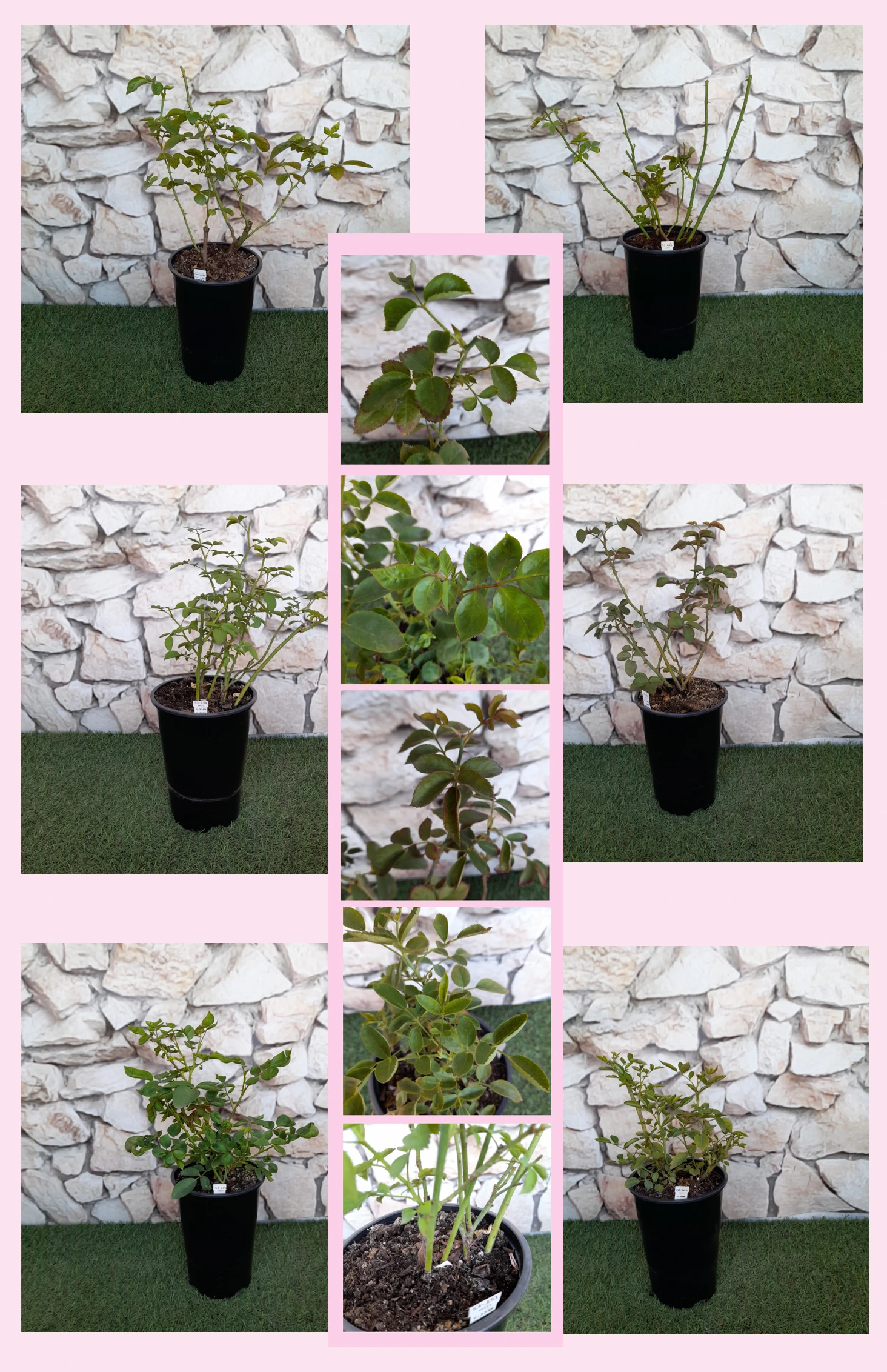
Imagine opening your front gate after rain and being greeted by tall, elegant stems carrying mauve blooms with a silvery sheen and a strong, citrusy floral fragrance. PANVESON is a classic hybrid tea rose for those who love refined cut flowers at home, producing high-centred, exhibition-style blooms that look as if they have come straight from a florist. Once established in the ground or in a generous 40–50 litre container, its upright habit, dark green foliage and steady season-long flowering help to create a composed, “girly” London-style front garden that still copes gracefully with blustery showers and typical British rain and wind along exposed streets. As an own-root plant, it is bred to settle in for the long term, quietly rebuilding its roots in year one, pushing stronger shoots in year two and reaching full ornamental presence by year three, giving you time to shape a balanced, sustainable planting that suits your everyday routine.
Usage options
| Target area |
Reasoning |
| Front garden focal point |
Use PANVESON as a single specimen near the front door or bay window, where its upright stems and mauve, silvery-tinged flowers can be appreciated at eye level and enjoyed on daily comings and goings by the style-conscious homeowner. |
| Cut-flower corner |
Dedicate a small bed to PANVESON for home cutting: its hybrid tea form, long stems and strong fragrance suit vases, and own-root plants regenerate from the base after hard cutting, extending the productive life for the keen floralist. |
| Compact hedge or low divider |
Plant at around 50 cm spacing to form a low, upright line that softly defines paths or separates a front garden from the pavement, combining structure and colour while remaining in scale for the typical urban gardener. |
| 60 cm bed planting rhythm |
In a mixed rose bed, use the recommended 60 cm spacing so each plant keeps its shape, allowing enough air movement to help with disease management for the practical, time-limited beginner. |
| Large container on balcony or patio |
Grow PANVESON in a 40–50 litre pot with drainage holes and peat-free compost; its upright habit suits tight spaces, and own-root resilience supports long-term container life for the space-conscious city-dweller. |
| Mixed planting with structure |
Combine with low perennials or compact evergreens so the mauve blooms rise above a steady green base, making the most of the rose’s height and form in a small family garden for the design-minded planner. |
| Partial-shade side return |
Position PANVESON where it receives a few hours of good light but some shade too; its tolerance of partial shade helps brighten narrow side paths used daily by the practical, access-focused householder. |
| Rain-aware urban front garden |
Set PANVESON into a well-prepared bed with improved drainage so its roots stay healthy through spells of British rain and wind in exposed front gardens, pairing it with permeable surfaces for the environmentally-aware urbanite. |
Styling ideas
- Mauve-Boudoir Border – Line a short front path with PANVESON underplanted with soft pink gypsophila and low grasses for a romantic, “girly” welcome – ideal for terrace-house owners wanting instant charm.
- Cutting-Nook Trio – Group three roses in a sunny corner with Liatris ‘Kobold’ for spires and dwarf pine for evergreen weight, creating a reliable home cutting patch for flower-arranging enthusiasts.
- Silver-Urban Pot – In a 50 litre container, team PANVESON with cascading nepeta and slate top-dressing to echo its silvery mauve tones – perfect for balconies or paved fronts with limited soil.
- Calm-Path Edging – Plant a low run along a garden path, interspersed with lavender or sage, so upright mauve blooms and scented foliage frame your daily route – suited to busy families seeking simple structure.
- Rain-Garden Welcome – Set PANVESON in a gravel-mulched, free-draining strip near a downpipe, with thyme and low sedums to absorb run-off – a subtle, pretty solution for eco-minded city gardeners.
Technical cultivar profile
| Descriptor |
Data |
| Name and registration |
Hybrid tea rose; registered as PANveson, marketed as Panveson Hybrid tea rose PANveson, ARS exhibition name Sourire de Perigueux; collection hybrid tea rose for garden and cutting. |
| Origin and breeding |
Bred in France by Bernard Panozzo and introduced in 2007 by Star de Doué; detailed parentage is unknown, with selection focused on exhibition-style hybrid tea flower form. |
| Growth and structural characteristics |
Upright habit, around 80–120 cm tall and 50–70 cm wide, with moderately dense, slightly glossy dark green foliage and moderate prickliness; suited to beds, edging or specimen planting. |
| Flower morphology |
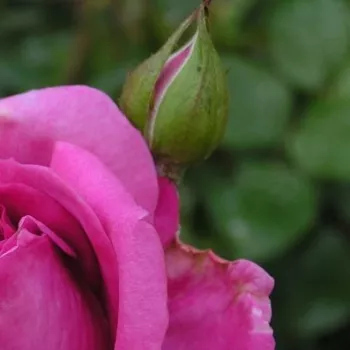
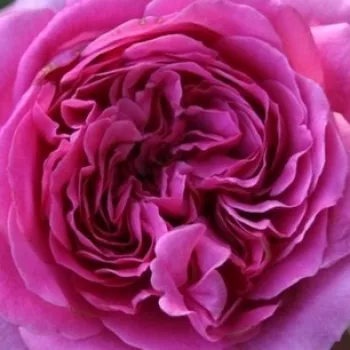
Large, double, high-centred solitary blooms with 26–39 petals, pointed buds and classic cut-rose profile; remontant with a generous second flush, though old blooms may need some manual deadheading. |
| Colour data and phenology |
Mauve blooms: deep bluish-lilac buds soften through greyish lilac to pastel lavender-mauve, with a characteristic silvery veil; RHS 76C outer, 76D inner; medium colour retention in changeable weather. |
| Fragrance and aroma |
Strong, long-lasting scent with a fresh, citrusy floral character noticeable both outdoors and in the vase; designed primarily for ornamental and cut-flower enjoyment rather than cosmetic processing. |
| Hip characteristics |
Hip set is generally poor due to the fully double flowers; where formed, hips are ellipsoidal, red, about 10–14 mm diameter, adding modest late-season interest without significant wildlife value. |
| Resistance and winter hardiness |
Hardy to approximately −21 to −18 °C (RHS H7, USDA 6b, Sweden zone 3); disease resistance is moderate to low, with susceptibility to black spot, powdery mildew and especially rust requiring protection. |
| Horticultural recommendations |
Best in enriched, well-drained soil; allow 50–90 cm spacing depending on use and 2.8–3.2 plants/m² for mass planting; needs regular plant-protection and deadheading; suitable for partial shade and large containers. |
PANveson offers fragrant, exhibition-style mauve blooms on an upright plant that settles in as a long-lived own-root rose, making it a considered choice for those planning a characterful, enduring garden feature.