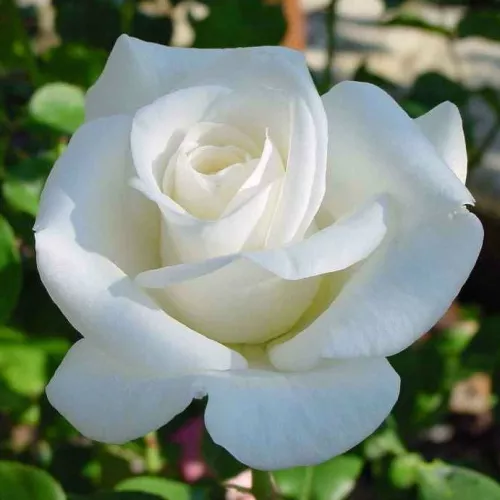
PASCALI® – white hybrid tea rose – Lens
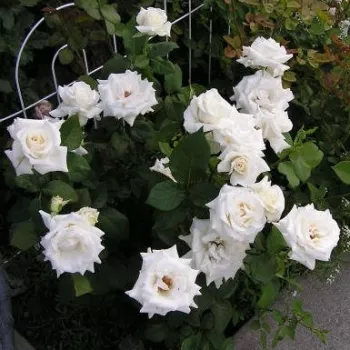
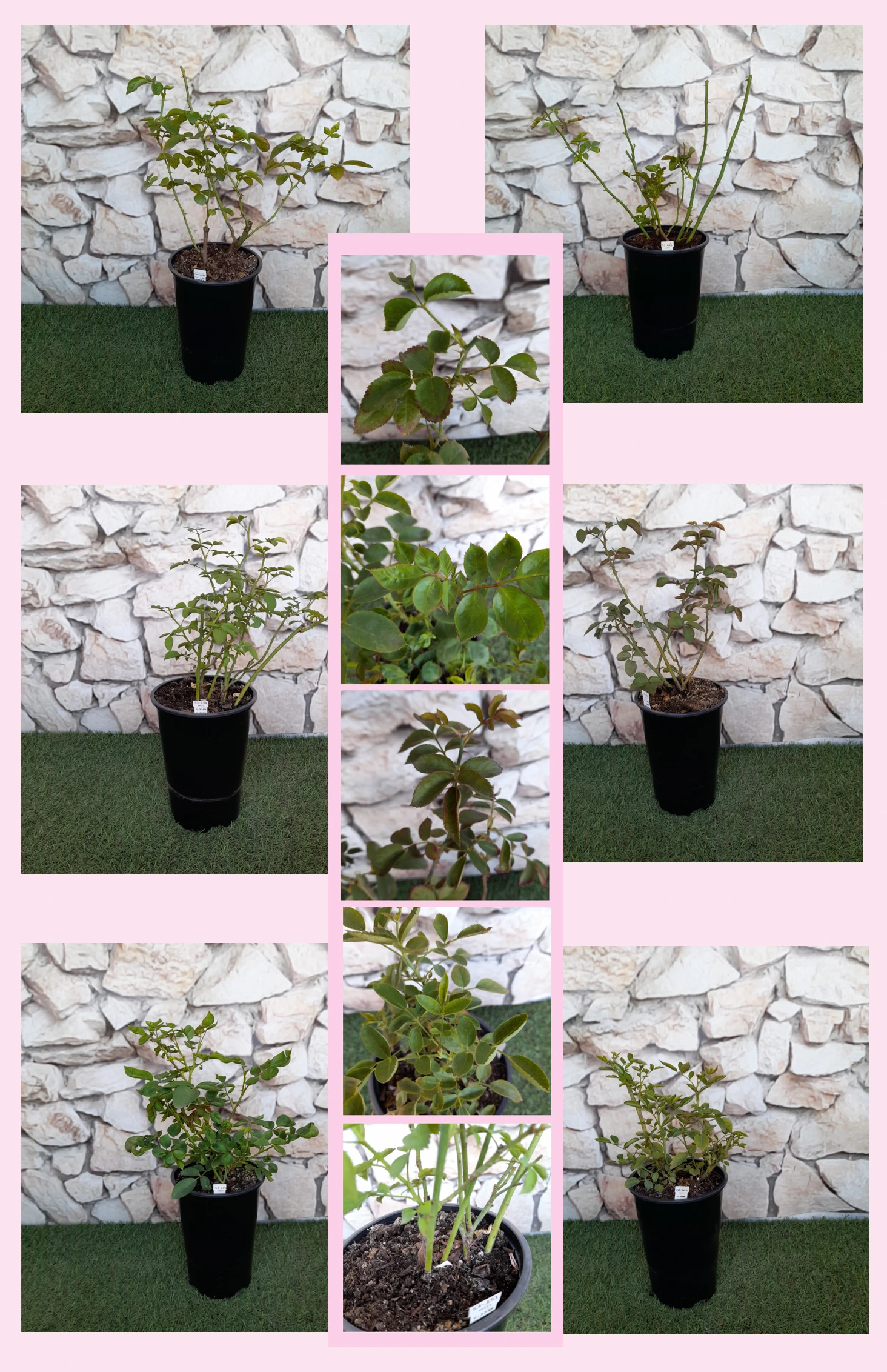
Imagine coming home through a London front garden edged with ivory blooms, their balance of form and fragrance catching the light after rain. PASCALI® is a classic hybrid tea on its own roots, bred for longevity and dependable structure rather than fussy show-bench care, ideal where soil is heavy and needs thoughtful drainage after downpours and winter wet. Its tall, upright habit produces long, straight stems tipped with high-centred buds for cutting, while the mildly sweet fragrance is gentle enough for doorside paths and compact spaces. Over time, its own-root resilience quietly supports a natural progression from establishing roots, to building sturdy shoots, to delivering a full, reliable display that settles gracefully into your family garden.
Usage options
| Target area | Reasoning |
|---|
| Front garden focal point |
Tall, upright growth and immaculate white, high-centred blooms create an elegant vertical accent beside a front door or bay window, giving year-round structure and a formal touch for the urban homeowner. |
| Narrow terraced-house border |
The slim footprint and controlled spread suit shallow London front beds, while the clear white flowers brighten brickwork and paving without overcrowding, ideal where every inch of soil must earn its place for the city gardener. |
| Cut-flower and vase use |
Long, straight stems with classic exhibition-style blooms provide a steady supply of refined cut flowers, so one well-grown plant can fill your home with simple, home-grown arrangements for the creative florist. |
| Rainwater-conscious planting scheme |
Planted into improved clay with good drainage, this upright rose slots into rainwater-friendly front gardens, allowing space for permeable gravel and underplanting that helps manage surface runoff for the sustainability-minded. |
| Own-root, long-term garden structure |
As an own-root plant it can regenerate from its base after pruning or damage, maintaining its character and ornamental value over many seasons with fewer worries about graft failure for the long-term planner. |
| Year-round bones with seasonal highlights |
Sturdy, moderately thorny stems and dark green foliage give a defined framework even when not in bloom, anchoring looser perennials and grasses so the border still looks intentional for the design-conscious. |
| Classic white colour anchor |
Pure white petals with a hint of ivory work as a neutral anchor among pinks, blues and silvers, helping to unify mixed plantings and evening lighting schemes in compact family gardens for the colour-coordinator. |
| Sunny, sheltered container display |
In a large 40–50 litre pot with moisture-retentive, peat-free compost and regular watering, its upright habit and clear blooms create a smart, movable feature on patios or balconies for the busy beginner. |
Styling ideas
- White-porch classic – Flank a front door with two PASCALI® in large pots, underplant with lavender and soft grey foliage for a calm, structured welcome – ideal for design-aware homeowners.
- Evening-glow border – Set PASCALI® behind low nepeta and silvery sage so its white blooms catch dusk light and streetlamps – suited to small urban front gardens.
- Cutting-strip row – Plant a short row along a side path, combining with lupins and calamint for stems to cut without spoiling the main display – perfect for home florists.
- Formal-pocket hedge – Use several plants at regular spacing in a narrow strip, edging gravel or permeable paving for a smart, rainwater-conscious frontage – good for neatness lovers.
- Balcony-showpiece – Grow a single plant in a 50 litre container with trailing thyme and low grasses to soften the pot, creating a simple focal point – great for first-time balcony gardeners.
Technical cultivar profile
| Parameter | Data |
|---|
| Name and registration |
Hybrid tea rose, registered as LENip, marketed as Pascali® Hybrid tea rose LENip; exhibition name Pascali; hybrid tea group, classic cut-flower form for garden and show use. |
| Origin and breeding |
Bred by Louis Lens in Belgium from ‘Queen Elizabeth’ × ‘White Butterfly’, introduced and registered in 1963 by Lens Roses, reflecting mid‑century breeding for form and reliability. |
| Awards and recognition |
Highly decorated: RNRS Certificate of Merit and The Hague Gold Medal 1963, Portland Gold Medal 1967, All‑America Rose Selections 1969, and World’s Favourite Rose, Rose Hall of Fame 1991. |
| Growth and structural characteristics |
Upright habit, about 95–125 cm high and 75–105 cm wide, moderately thorny with moderately dense, slightly glossy dark green foliage; self‑cleaning is weak, so spent blooms benefit from deadheading. |
| Flower morphology |
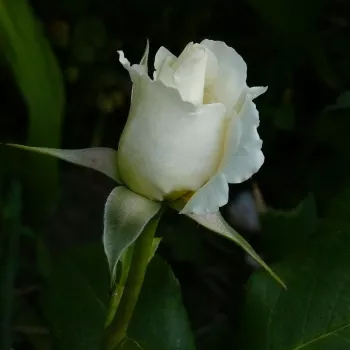
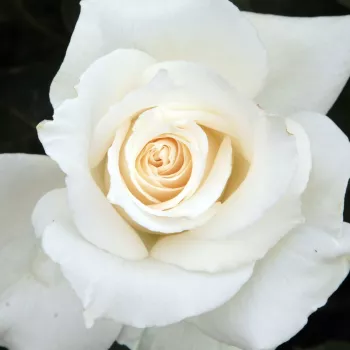
Large, fully double blooms with 26–39 petals, high‑centred, pointed buds on mostly solitary stems; strong repeat flowering with a particularly generous second flush under normal garden care. |
| Colour data and phenology |
Uniform white with slight ivory tint, RHS 155C outer and 155D inner; buds greenish‑white, opening creamy at the base then pure white, later acquiring a pale beige tone, with colour that holds well in sun. |
| Fragrance and aroma |
Mild, softly sweet rose scent, noticeable at close range without overwhelming nearby seating; primarily ornamental, with double blooms that offer limited appeal to pollinating insects compared with simpler forms. |
| Hip characteristics |
Occasional ellipsoidal hips, about 10–14 mm, orange‑red when ripe; usually incidental to the display but of seasonal interest if flowers are not all removed for cutting late in the year. |
| Resistance and winter hardiness |
Hardy to about −21 to −18 °C (H7, USDA 6b, Swedish Zone 3); good resistance to powdery mildew and black spot, medium rust susceptibility; moderate heat tolerance but needs watering in prolonged dry spells. |
| Horticultural recommendations |
Best in full sun with fertile, well‑drained soil; allow 55–100 cm spacing depending on use, or 2.5–2.9 plants/m² for mass planting; suits beds, parks, hedging, solitary planting and high‑quality cutting. |
PASCALI® offers classic white hybrid tea blooms, upright structure and long-term own-root resilience, making it a thoughtful choice if you favour enduring elegance and steady performance in a modest family garden.