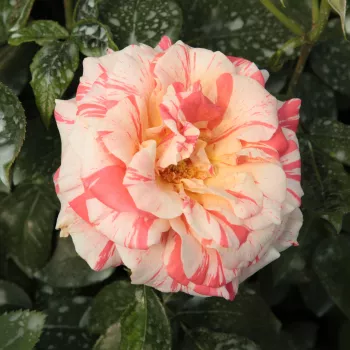
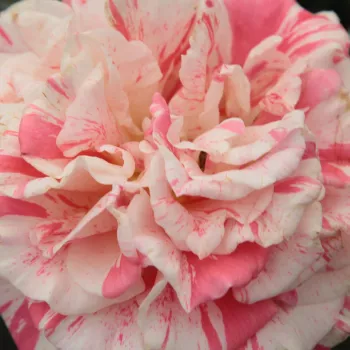
PHILATELIE™ – red-white hybrid tea rose – McGredy
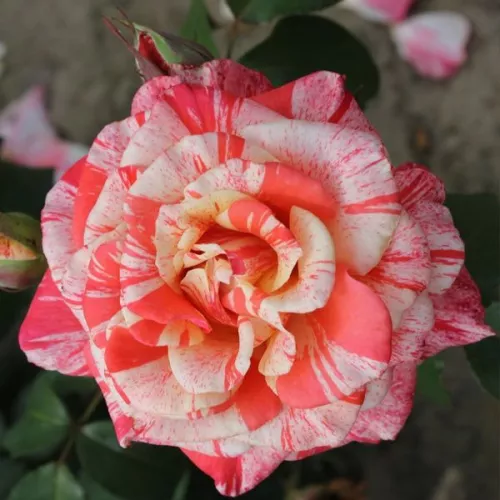
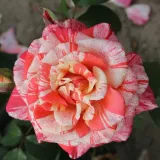
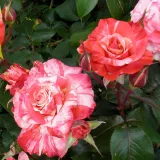
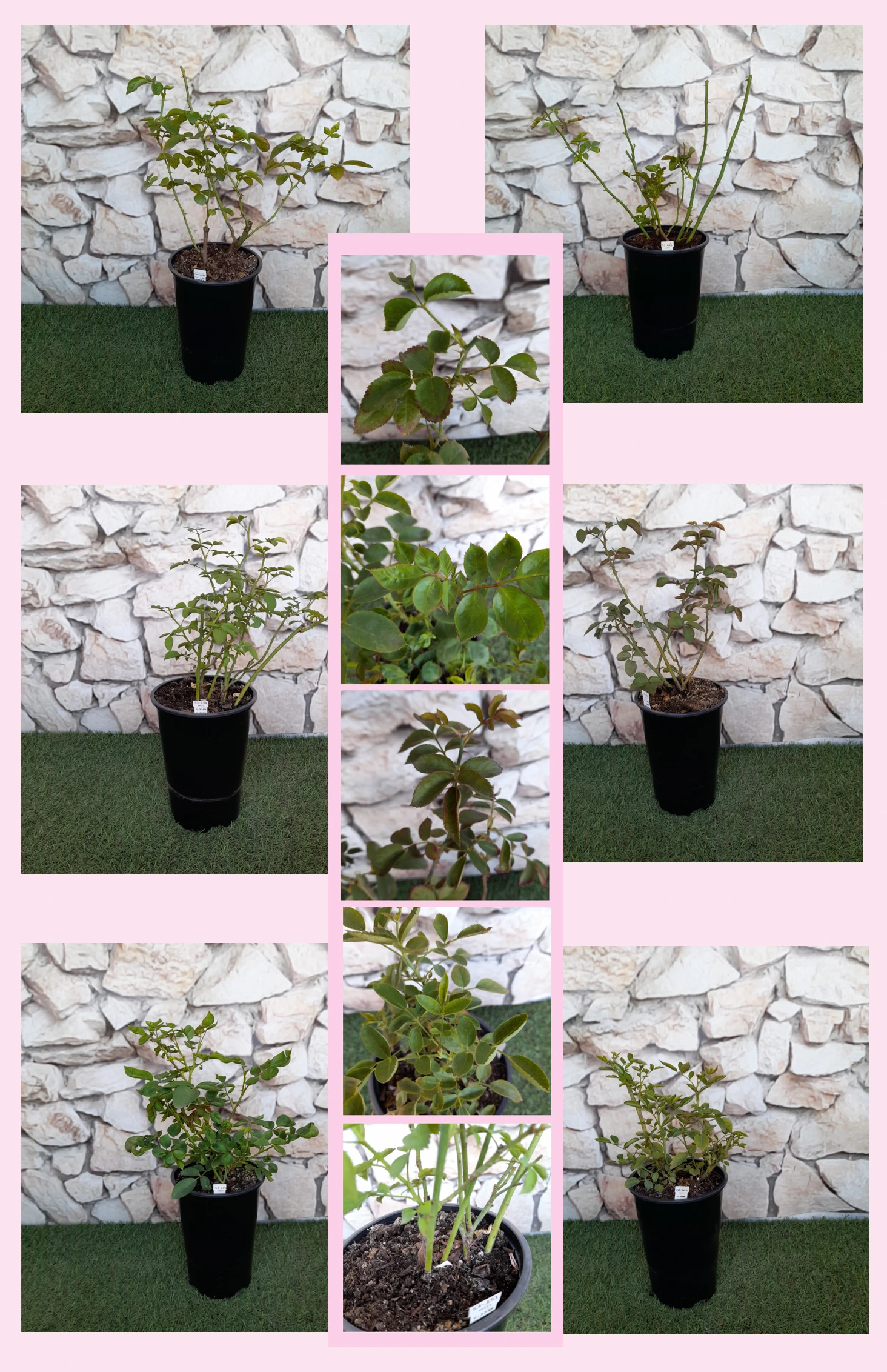
Step into a London front garden transformed by balance, where PHILATELIE™ lifts the eye with tall, upright stems and striking raspberry-red and white blooms that stay vivid even after persistent rainfall. This meticulously bred hybrid tea offers generous repeat flowering from early summer well into autumn, giving a steady rhythm of high-centred, exhibition-quality blooms for cutting and display. Planted in the ground or in a substantial 40–50 litre container, its own-root structure develops stability over the years, quietly building a resilient framework that responds well to typical urban conditions of wind and humidity. With careful planting into improved heavy clay or chalky soil, you can enjoy reliable longevity from a rose that matures steadily – roots in the first year, strong shoots in the second, and full ornamental presence by the third. The moderate maintenance needs suit busy city lifestyles: simple pruning, regular watering and occasional checks for pests keep its sculptural form and bicolour impact at their best for seasons to come, making PHILATELIE™ a thoughtful long-term investment for compact, sustainable gardens.
Usage options
| Target area |
Reasoning |
| Front-garden specimen by the path |
Its upright habit and 110–150 cm height create a clear vertical accent that fits narrow terraced-house front gardens without overwhelming the space, giving a formal, tidy look with minimal shaping for busy beginners. |
| Cut-flower row in a small border |
High-centred, exhibition-type blooms on long stems repeat well through summer, so a short row yields reliable cutting material for vases without needing a large bed, suiting those who enjoy arranging flowers at home at weekends. |
| Feature rose in a 40–50 L container |
In a large, well-drained pot, roots remain protected from waterlogging on heavy urban clay while you fine-tune watering with stored rainwater, making an elegant door-side statement for city gardeners seeking controlled planting. |
| Structured pairing with low lavender or nepeta |
The strong bicolour flowers rise above softer, blue-toned companions, giving contrast without visual clutter; these edging plants also help keep soil surface drier around the base, supporting leaf health for low-effort care. |
| Single-rose focal point in a mixed border |
Moderate spread (60–90 cm) and dark, leathery foliage provide a solid anchor in mixed planting, while repeat blooms punctuate the season, ideal where you want one reliable highlight rather than intensive rose collections for simple design. |
| Formal pair flanking steps or front door |
Planting two matching bushes brings symmetrical structure that reads clearly from the street; the consistent bloom form and colour pattern deliver a composed look, appealing to homeowners who value tidy entrances with predictable results. |
| Clay or chalky-soil renovation bed |
Given improved drainage and organic matter, it settles well into typical British clay or lighter chalk, rewarding that one-off soil preparation with years of stable flowering, which suits gardeners ready for modest initial effort for long-term ease. |
| Dedicated “collector’s corner” planting |
As a McGredy hybrid tea with distinctive raspberry-red and white striping, it adds character and story to a small, curated group of roses where individual plants are observed and lightly tended by thoughtful enthusiasts. |
Styling ideas
- Urban Showcase – Position PHILATELIE™ in a tall, charcoal-grey 50 L pot with fine gravel mulch, teamed with dwarf lavender for an elegant, low-fuss entrance – ideal for style-conscious city homeowners.
- Stripe Theatre – Plant as a single specimen against a dark-painted fence so the red-and-white blooms read like spotlighted art – suited to small gardens where one dramatic plant must do the visual work.
- Classic Promenade – Line a short front path with two or three evenly spaced plants underplanted with Nepeta and thyme – perfect for those wanting a formal feel without complicated pruning schemes.
- Evening Patio – Combine one bush in a large container with soft uplighting and pale companion perennials in nearby pots – for relaxed evening use of a compact terrace or balcony.
- Collector’s Niche – Group PHILATELIE™ with one or two other McGredy roses in a small bed edged with low sage – appealing to rose enthusiasts building a characterful, long-lived collection.
Technical cultivar profile
| Parameter |
Data |
| Name and registration |
Hybrid tea rose registered as MACcastlet, marketed as Philatelie™ Hybrid tea rose MACcastlet; exhibition hybrid tea type with American Rose Society approved exhibition name Philatelie. |
| Origin and breeding |
Bred by Samuel Darragh McGredy IV, McGredy Roses International, Auckland, from Tournament of Roses × Port Ludlow; code registered 1989 and introduced commercially in Europe around 2000. |
| Growth and structural characteristics |
Upright bush, typically 110–150 cm tall and 60–90 cm wide, with moderately dense, dark green leathery foliage and moderate prickliness; self-cleaning ability not well documented. |
| Flower morphology |
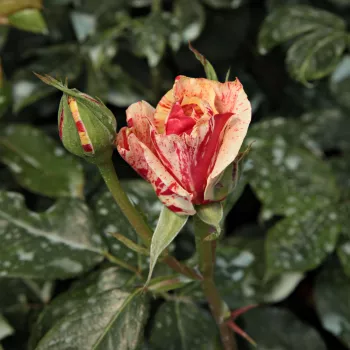
Hybrid tea, high-centred, pointed-bud blooms carried mostly singly on stems; large flowers with 20–30 petals, double, and remontant with a particularly abundant second flush in suitable conditions. |
| Colour data and phenology |
Striking raspberry-red and snow-white striped flowers, ARS code RB; RHS 46A outer petals and 155D inner zones, colours remain vivid then soften slightly to paler red with cream-tinted white before dropping. |
| Fragrance and aroma |
Fragrance is very weak, with only a faintly sweet note detectable in warm, still weather; grown chiefly for visual effect and cutting rather than for scented-garden or perfume-focused plantings. |
| Hip characteristics |
Rose hips are sparse because of the double flowers; when formed they are small, spherical, orange-red and about 12–17 mm across, adding occasional late-season interest without heavy seeding. |
| Resistance and winter hardiness |
Hardy to approximately −26 to −23 °C (RHS H7, USDA 5b, Swedish Zone 4); generally resistant to powdery mildew and black spot, with medium susceptibility to rust, needing routine but not intensive monitoring. |
| Horticultural recommendations |
Best in full sun with improved drainage on heavy soils; medium maintenance with periodic pest and disease checks, regular feeding and deadheading; plant 40–75 cm apart depending on border, hedge or specimen use. |
PHILATELIE™ – red-white hybrid tea rose MACcastlet offers long-season flowering, upright form and reliable longevity on its own roots, making it a considered choice for those planning a lasting but manageable garden feature.