PIMPRENELLE™ – yellow groundcover rose – Delbard
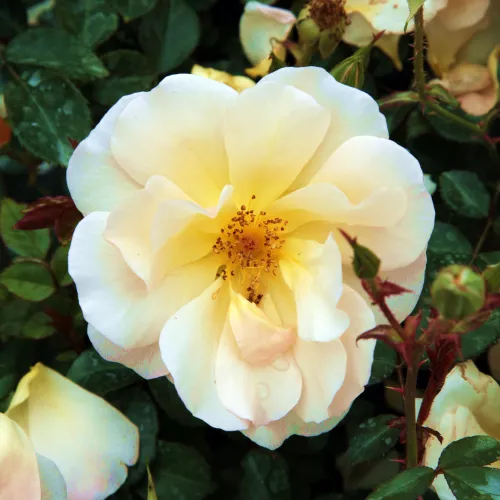
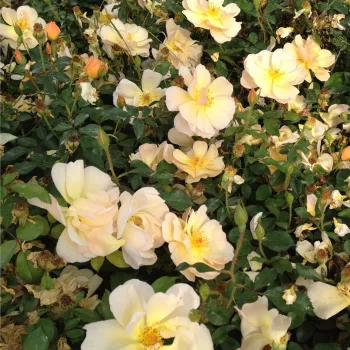
Step off the pavement and into a softer world with pimprenelle, a compact yellow groundcover rose that carpets the soil in light-reflecting bloom while coping reliably with rainfall and blustery urban weather. Masses of semi-double flowers open a vivid sun-yellow, then gently soften to ivory across the season, giving your front garden a calm, balanced rhythm of colour with very little intervention. Its bushy habit and good self-cleaning mean less deadheading and sweeping, while own-root vigour supports a long-lived, stable planting that suits busy London terraces and modest suburban plots alike. Plant once, water in, then let the roots settle, the framework develop and the full garden presence unfold over three easy growing seasons for a quietly sustainable yellow tapestry under windows, along paths or around feature shrubs.
Usage options
| Target area | Reasoning |
|---|
| Front garden groundcover for small urban plots |
The compact, bushy habit and 55–95 cm height create a neat, low-maintenance yellow carpet that softens hard-standing and gravel in London-style front gardens without demanding complex care, ideal for the busy urban gardener |
| Low edging along paths and driveways |
Regular clusters of semi-double blooms and good self-cleaning keep borders looking tidy beside paths and drives, reducing the need for frequent deadheading or shaping while still giving a clear, attractive outline for the practical homeowner |
| Long-season colour in mixed family beds |
Remontant flowering with a plentiful second flush extends colour well into late summer, so even a modest flower bed stays lively over school holidays and weekends for the time-poor family gardener |
| Resilient planting in exposed, rainy sites |
The sturdy shrub form and reliable performance in wet, breezy conditions give confidence where rain rolls off roofs and drives onto beds, supporting informal rainwater management for the climate-aware city gardener |
| Low-care rose for beginners and new homeowners |
Moderate maintenance needs, own-root resilience and medium pest resistance offer an accessible way into rose growing without specialist pruning knowledge, suiting the first-time rose owner |
| Long-lived structure in sustainable front gardens |
As an own-root shrub, plants recover well from winter, accidental knocks or harder pruning, building a durable framework that maintains visual value over many years for the long-term planner |
| Container planting on balconies and paved areas |
In a 40–50 litre or larger container, its bushy, mid-height growth gives reliable colour where soil is limited, needing only basic watering and feeding to thrive for the low-fuss balcony gardener |
| Wildlife-aware, family-friendly planting schemes |
Semi-double flowers offer some pollen access and modest hip set adds seasonal interest, allowing you to blend ornamental value with a light wildlife benefit in child-friendly gardens for the nature-conscious beginner |
Styling ideas
- Sunlit Ribbon – mass-plant along a narrow front path, underplant with low blue nepeta to contrast the softening yellow blooms – perfect for compact terraced-house entrances
- Soft Landing – use as a ground-hugging skirt around small trees, with spring bulbs threaded through for extra layers of colour – ideal for family gardens seeking hassle-free interest
- Balcony Grove – plant in a 50-litre container with upright lavender or sage for scent and pollinator support – suited to urban balcony owners wanting easy structure
- Golden Patchwork – mix with silver foliage plants such as artemisia and low grasses to create a drought-aware yet gentle look – good for design-led but low-maintenance front gardens
- Play-Friendly Border – edge a lawn or play area, combining with foxgloves at the back for height and drama – for families wanting colour without fussy upkeep
Technical cultivar profile
| Parameter | Data |
|---|
| Name and registration |
Groundcover shrub rose; registered as DELdog, marketed as PIMPRENELLE™ yellow groundcover rose, exhibition name Pimprenelle; part of the Groundcover collection for versatile garden use. |
| Origin and breeding |
Bred by Georges Delbard in France, 1995; parentage undocumented. Registered 1996 and introduced after 1996 by Pépinières & Roseraies Georges Delbard, offering a tested modern groundcover type. |
| Growth and structural characteristics |
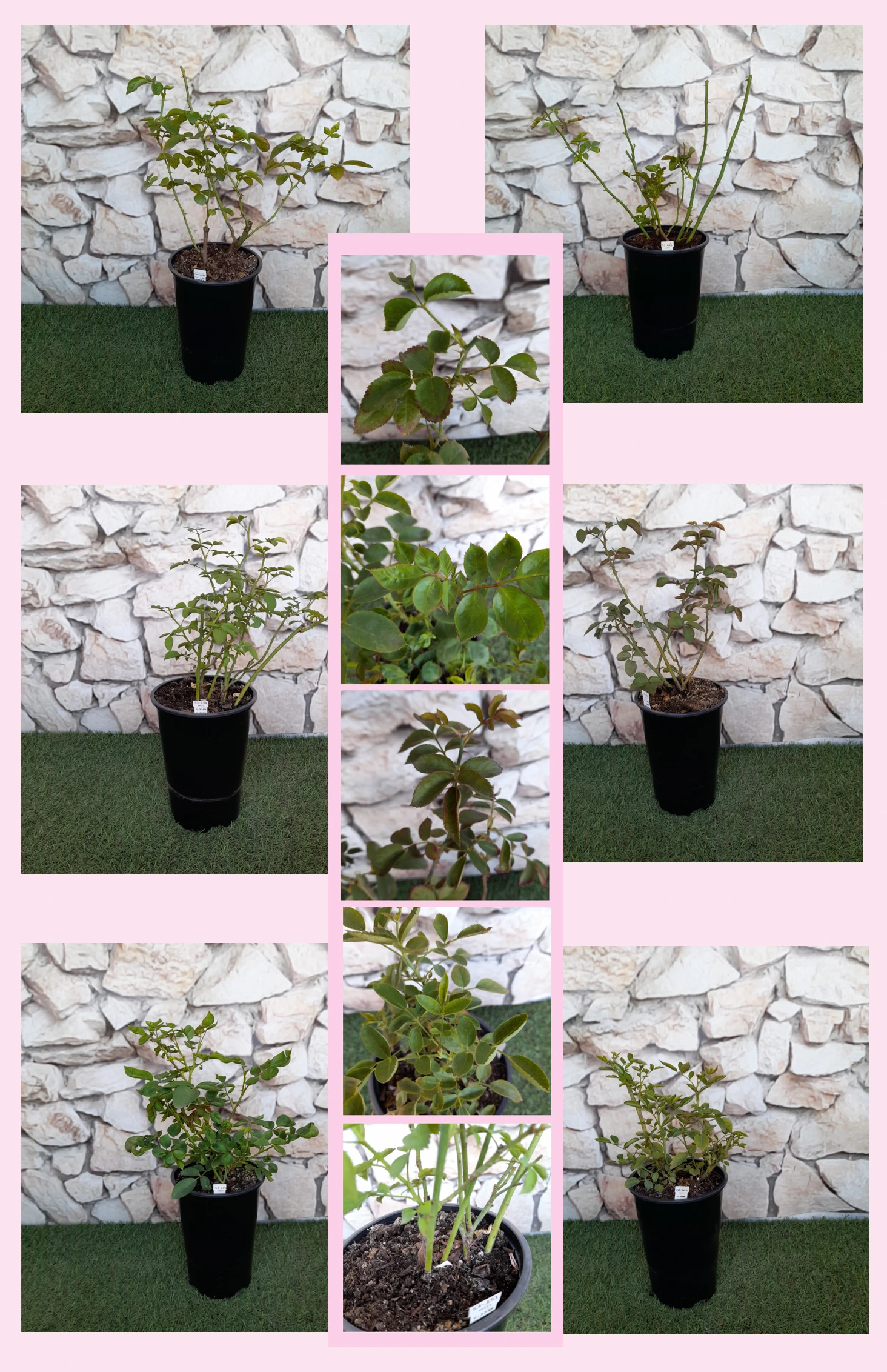
Bushy groundcover shrub, around 55–95 cm high and 40–75 cm wide. Moderately dense, mid-green, slightly glossy foliage; moderately thorny stems; good self-cleaning habit supports a tidy, low border outline. |
| Flower morphology |
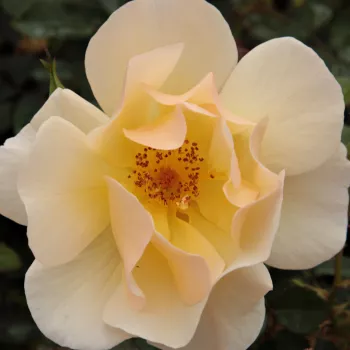
Semi-double, flat blooms in medium size clusters, around 1.5–2.75 inches across. Petal count typically 13–25, freely produced in trusses, with a good second flush following the main summer display. |
| Colour data and phenology |
Bright mid-toned yellow; buds lemon yellow opening intense sun-yellow. RHS 11B outer, 12A inner; colour lightens to buttery yellow then ivory as flowers age, with moderate overall colour retention through the season. |
| Fragrance and aroma |
No noticeable fragrance; fragrance strength rated unscented. Chosen primarily for visual impact, structural usefulness and easy care rather than scent, fitting smaller gardens where reliable colour is the priority. |
| Hip characteristics |
Produces few hips; when present, small spherical orange-red hips approximately 7–11 mm across. Adds a discreet late-season accent without significantly affecting the plant’s repeat-flowering performance. |
| Resistance and winter hardiness |
Hardy to about −21 to −18 °C (RHS H7, USDA 6b, Swedish Zone 3). Good resistance to powdery mildew and black spot, moderate rust susceptibility, and moderate tolerance of heat and short dry spells with watering. |
| Horticultural recommendations |
Best in sun; suitable for beds, edging, low hedging and specimen use. Plant around 30–55 cm apart, 8–9 per m² for groundcover. Maintenance medium: routine checks and occasional pest or disease control advised. |
PIMPRENELLE™ – yellow groundcover rose - Delbard offers long-season colour, compact ground-hugging structure and durable own-root reliability; consider it if you want an easy, lasting accent for a modest garden space.