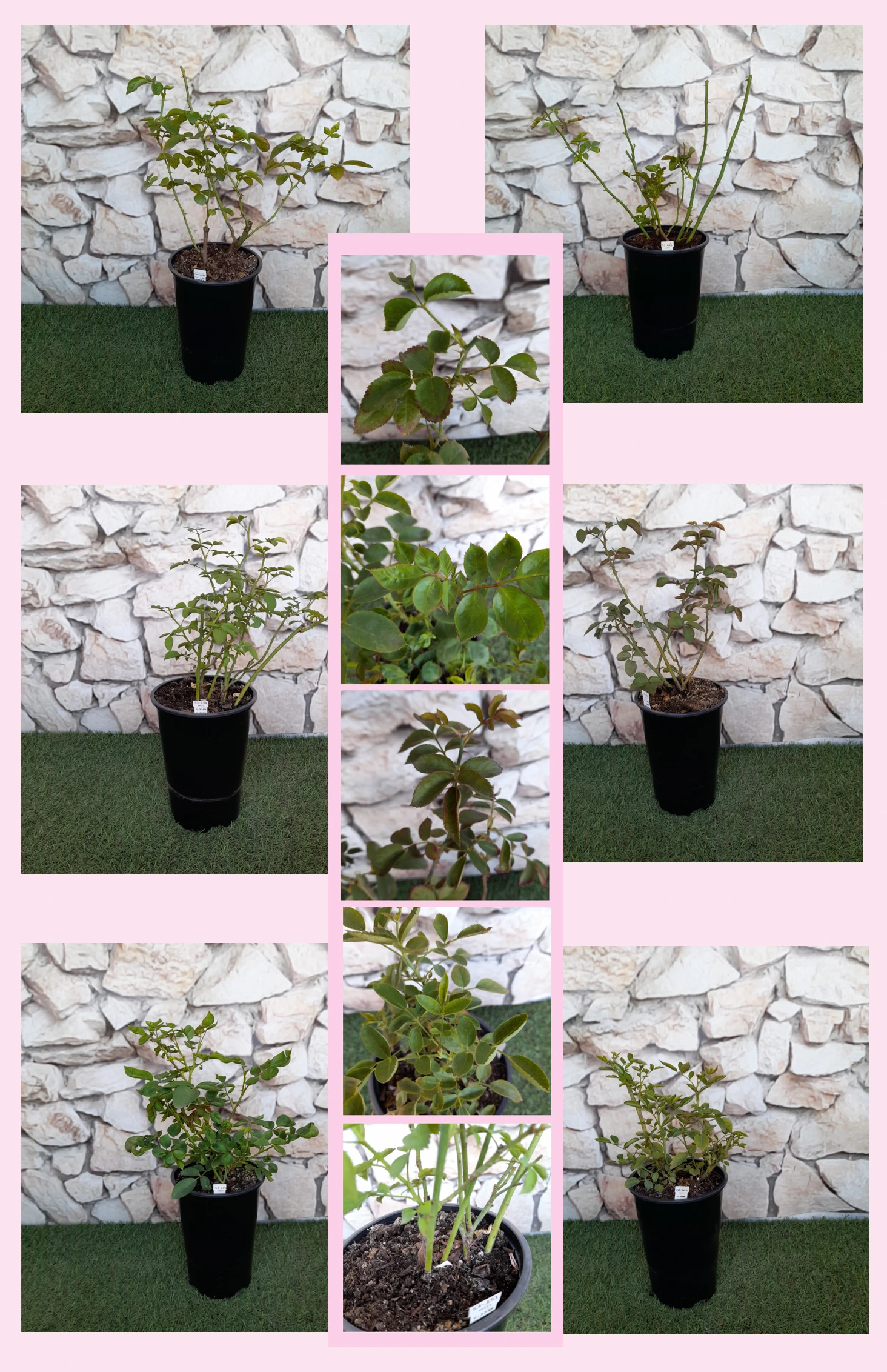
BERILL – red-yellow hybrid tea rose
Feel the pleasure of colour every time you step outside: BERILL brings glowing red-edged, golden-yellow blooms that light up a small London front garden, yet stays compact enough for neat, easy shaping. This bushy hybrid tea is naturally suited to everyday life on humid, breezy streets and coasts, coping reliably with typical British weather while rewarding you with impressive, XL flowers for cutting. Its own-root form offers reassuring long-term stability, recovering well after pruning and settling in for years of enjoyment. Plant once in good, well-drained soil, water with collected rain to support sustainability, then expect a gentle development from strong roots in the first year, fuller shoots in the second, and confident, showy flowering by the third. With medium care needs, dense mid-green foliage and a fresh, fruity fragrance, BERILL easily becomes the focus of a “girly”, rainwater-wise front garden or balcony display, keeping your outdoor space feeling gracefully in balance.
Usage options
| Target area | Reasoning |
|---|
| Feature rose in a small front garden |
BERILL’s upright yet bushy habit and XL, two-tone blooms give strong visual impact from a modest footprint, ideal beside a front door or narrow path where every plant must earn its place for the busy urban homeowner. |
| Cut-flower rose for home arrangements |
The spherical, double, long-stemmed flowers are bred for vases, with medium-lasting heads and a fresh, fruity scent that suits kitchen tables or hallway bouquets, appealing to home decorators who value garden-to-vase versatility for hobby-gardeners. |
| Rainwater-conscious container on balcony or patio |
Grows happily in a 40–50 litre pot with good drainage, matching well with stored rainwater and mulching so you control moisture even in heavy showers, suiting eco-aware city residents using collected rain to reduce mains watering for sustainability-minded. |
| Specimen rose in a mixed flower bed |
The strong red-yellow contrast stays eye-catching as blooms age, while dense, mid-green foliage provides a tidy backdrop, making a single plant a natural focal point in a small mixed border for design-conscious. |
| Low hedge or repeated planting along a path |
Recommended spacings of 50–60 cm allow a rhythmic run of identical bushes, giving a smart, modern edge to front paths or driveways, ideal for families who want a coordinated look without complicated garden planning for homeowners. |
| Urban garden with challenging weather exposure |
Medium disease resistance with good black spot tolerance and reliable performance in damp, breezy conditions support sustainable planting where wind and rain are frequent companions, supporting those managing typical British coastal-style conditions for city-gardeners. |
| Long-lived planting for low-fuss gardens |
Own-root growth means the plant regenerates well from pruning or weather damage, maintaining form and colour over many seasons so you replant less often, suiting those who prefer durable structure over frequent replacements for beginners. |
| Family garden with moderate maintenance time |
Medium care needs and remontant flowering offer plenty of blooms for most of the season, with only occasional deadheading and light protection required, fitting households who enjoy results but cannot commit to intensive care for busy-owners. |
Styling ideas
- Romantic-Entrance – Place BERILL by a townhouse front step with soft pink pelargoniums and white alyssum beneath for a gently “girly” welcome – ideal for style-led homeowners.
- Sunset-Border – Combine with Rudbeckia fulgida and warm-toned grasses to echo its red-yellow glow and stretch colour into late summer – perfect for low-fuss family gardens.
- Lavender-Edge – Underplant a short BERILL hedge with Lavandula angustifolia to contrast purple spires against fiery blooms and provide fragrance at ankle and nose height – suited to cottage-style terraces.
- Balcony-Statement – Grow one plant in a 50 litre container with trailing nepeta and thyme, using stored rainwater for watering to keep things green and practical – made for sustainability-focused flat dwellers.
- Cutting-Corner – Group two or three plants with Liatris spicata 'Kobold' in a sunny corner, creating an easy mini cutting patch of bold, upright stems and showy roses – attractive to creative home florists.
Technical cultivar profile
| Parameter | Data |
|---|
| Name and registration |
Hybrid tea rose marketed as BERILL – red-yellow hybrid tea rose - pharmaROSA®, belonging to the Hybrid Tea group; commercial naming is established, while formal registration details are currently not documented. |
| Origin and breeding |
Discovered in France in 2018 and introduced by PharmaRosa® Ltd. from Hungary; exact parentage and breeder background are unknown, but selection focuses on garden reliability and decorative flower form. |
| Growth and structural characteristics |
Forms a bushy, upright shrub about 80–105 cm tall and 60–85 cm wide, with moderately thorny stems and dense, slightly glossy mid-green foliage that gives a compact, well-furnished appearance in beds or containers. |
| Flower morphology |
Produces very large, fully double, spherical to pompom flowers with approximately 26–39 petals, usually borne singly on stems, repeating well with an abundant second flush when spent blooms are removed in season. |
| Colour data and phenology |
Bi-coloured blooms show golden-yellow to orange centres with a vivid red rim; as they open, tones soften to butter-yellow and cream but maintain clear contrast, giving strong decorative value from bud stage to fading. |
| Fragrance and aroma |
Emits a noticeable, medium-strength fragrance with a fresh, fruity character; scent is appreciable at close range around seating areas or paths, adding sensory interest without becoming overpowering in smaller gardens. |
| Hip characteristics |
Rose-hip formation is generally slight due to the double blooms; when present, hips are small, spherical, bright red, around 8–12 mm across, and have minor ornamental impact compared with the flowers themselves. |
| Resistance and winter hardiness |
Hardy to approximately −21 to −18 °C (RHS H7, USDA 6b, Swedish zone 3) with medium overall disease resistance, showing good black spot tolerance and moderate resilience to powdery mildew and rust when well sited. |
| Horticultural recommendations |
Best in sunny sites with well-drained soil; suitable for beds, specimen planting, hedging and 40–50 litre containers, at about 50–90 cm spacing, requiring medium maintenance and regular watering in dry spells. |
BERILL Hybrid tea rose pharmaROSA® offers glowing bi-colour blooms, reliable repeat flowering and long-lived own-root resilience, making it a thoughtful choice for compact, easy-care gardens you wish to enjoy for years.