PRINCESS KISHI – raspberry-red nostalgic rose – Kunieda
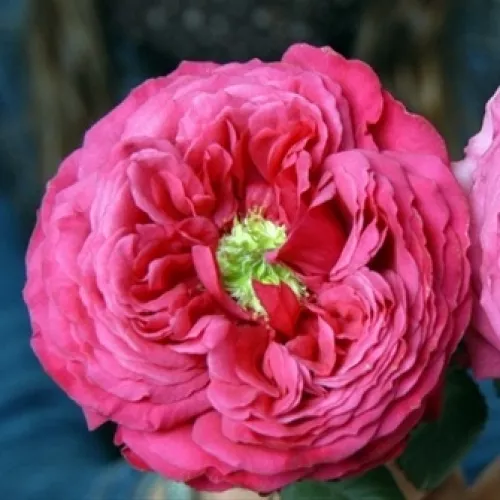
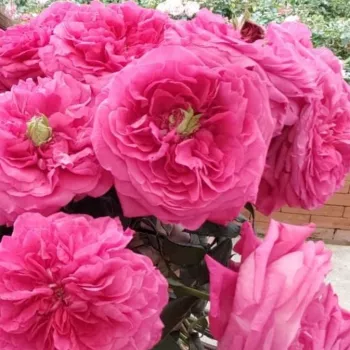
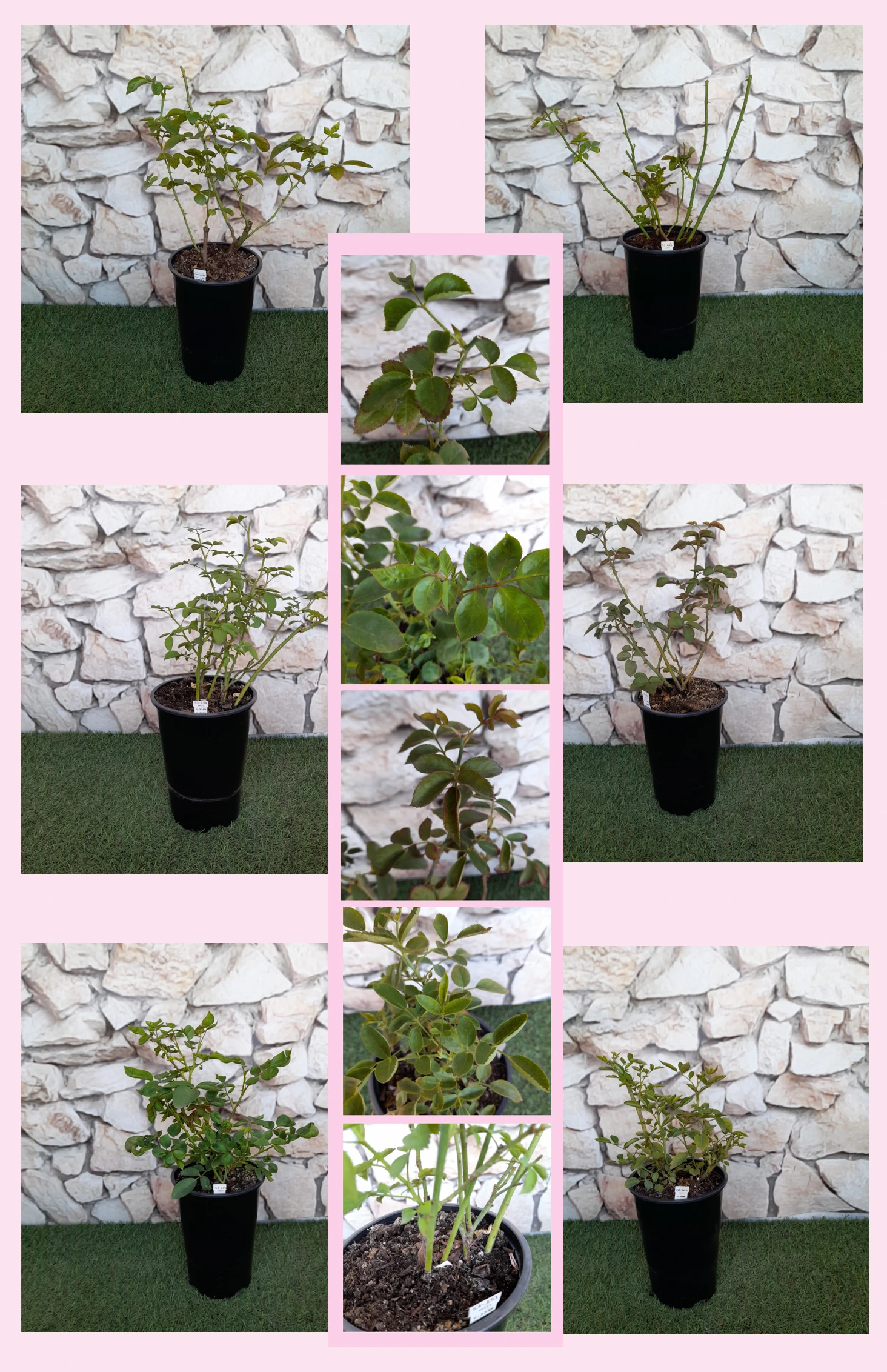
Step through your front gate and imagine a narrow path lined with raspberry-red rosettes, still beaded with raindrops, their petals holding colour in cool, damp weather as showers pass over your London terrace or coastal family garden. Princess Kishi settles into ordinary garden soil, coping steadily even where heavy clay needs careful drainage and repeated wet spells, while its compact, bushy habit keeps it easy to manage close to a pavement or front door. As an own-root shrub it offers dependable longevity, quietly rebuilding from its base after pruning, so you can shape it for many years with light, straightforward care. Given time, it follows a natural rhythm of rooting in its first season, building confident new shoots in the second, and by the third summer delivering full nostalgic impact along your path or in a generous 40–50 litre container. Its very double, florist-style blooms create a calm, “girly” focal point that feels both romantic and reassuringly sustainable beside lavender, sage or nepeta.
Usage options
| Target area |
Reasoning |
| Small London terraced-house front garden |
The compact, bushy shrub naturally fits narrow beds beside paths or railings, giving florist-style rosettes without demanding complex pruning or specialist knowledge. Moderate disease resistance suits typical city humidity and close planting for beginners and busy urban gardeners. |
| Rainwater-friendly, clay-soil front border |
This shrub copes well in typical British mixed borders where rainfall is frequent and soil can be heavier, provided you improve drainage once at planting. It continues to flower steadily after wet spells, matching a low-input, rainwater-conscious approach for sustainability-focused owners. |
| Romantic nostalgia rose hedge |
Planted at the recommended hedging distances, it forms a low, raspberry-red line that echoes traditional cottage and nostalgia gardens with minimal shaping. Own-root growth gives a long-lived, gap-free hedge that responds well to regular, simple trimming for home gardeners. |
| Feature shrub in a 40–50 litre container |
In a large, well-drained pot, its upright bushy habit and XL double blooms create a tidy statement near a door or seating area, especially where borders are limited or paved. The stable own-root system reduces the risk of suckers, helping container displays stay neat for balcony owners. |
| Cutting patch for home-arranged bouquets |
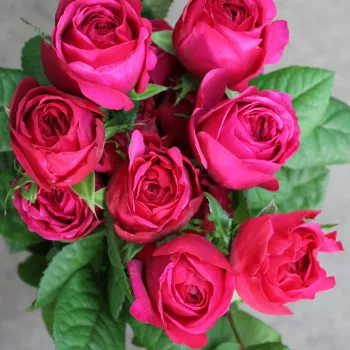
The very double, rosette flowers and long stems make it ideal for cutting a few stems at a time, bringing a florist-style look indoors. Regular harvesting encourages repeat flowering, so even a small bed can supply nostalgic arrangements for creative flower lovers. |
| Mixed shrub border with seasonal interest |
Its mid‑green, slightly glossy foliage and rounded form sit comfortably among evergreen structure plants, offering rich raspberry-red colour from early summer, then a lighter second flush. Occasional small orange-red hips add autumn interest that will appeal to observant family gardeners. |
| Coastal or exposed suburban sites |
The sturdy, medium-height framework and moderate disease resistance cope well with breezier, wetter spots where flowers must withstand rain and wind without collapsing, supporting a reliable display over several seasons for time-pressed hobby gardeners. |
| Structured, low-maintenance front planting scheme |
Used with simple companions like lavender, sage or nepeta, it anchors a clean, modern layout that still feels soft and nostalgic. The own-root form underpins a long service life with basic annual pruning, aligning with an easy-care routine for beginners. |
Styling ideas
- Romantic-Pathway – Plant in a single line along a narrow front path, underplanted with low nepeta to soften the edges – ideal for terrace owners wanting a gentle, nostalgic welcome.
- Container-Focus – Use one shrub in a 40–50 litre pot flanked by clipped Ilex crenata for a tidy, contemporary entrance – suited to busy city households with paved front gardens.
- Nostalgic-Hedge – Create a low hedge at the recommended spacing, backing it with cherry laurel for evergreen structure – a good choice for families seeking privacy with a romantic feel.
- Cutting-Corner – Dedicate a sunny corner as a mini cutting patch, edging with Penstemon ‘Husker Red’ for contrast – perfect for home florists who like to arrange their own bouquets.
- Soft-Modern – Combine with pale ornamental grasses and simple sage blocks for a calm, rainwater-aware design – best for sustainability-minded gardeners who prefer low-fuss structure.
Technical cultivar profile
| Property |
Data |
| Name and registration |
Shrub nostalgia rose from the Romantic rose collection, marketed as PRINCESS KISHI – raspberry-red nostalgic rose – Kunieda; current trade name Princess Kishi Romantic rose Kunieda; exhibition use as florist-style cut flower. |
| Origin and breeding |
Bred in Japan by Kunieda Keiji for Rose Farm Keiji / WABARA (Rose Universe Co Ltd); introduced to the market in 2022; parentage not published, developed primarily as a garden and florist shrub rose. |
| Growth and structural characteristics |
Bushy, upright shrub reaching about 85–115 cm in height and spread, with medium-density, slightly glossy mid-green foliage and moderate prickliness; suitable for small hedges, specimen planting and larger containers. |
| Flower morphology |
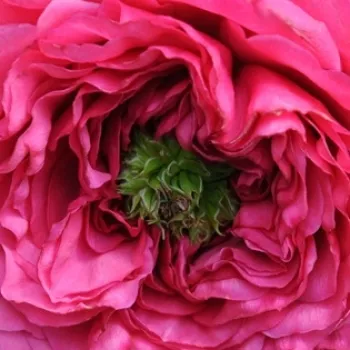
Very double, rosette-shaped XL blooms with 40+ petals, mostly borne singly on stems; remontant with an abundant second flush, offering generous nostalgic flowering suited to cutting and prominent garden display. |
| Colour data and phenology |
Deep raspberry-red base colour with subtle violet undertones; buds dark cherry red, opening to vibrant raspberry-red with magenta hints, then gently fading toward raspberry-pink while retaining very good overall colour stability in garden conditions. |
| Fragrance and aroma |
Classified as a scentless rose with no noticeable fragrance recorded in trials; chosen primarily for its visual impact, colour richness and flower form rather than scent, ideal where fragrance is a lower design priority. |
| Hip characteristics |
Hip formation is generally low due to very double flowers; where pollination succeeds, small spherical orange-red hips 8–12 mm in diameter may develop, adding a discrete touch of late-season ornamental interest. |
| Resistance and winter hardiness |
Rated to approximately −26 to −23 °C, RHS H7, Swedish Zone 4, USDA 5b; moderate resistance to powdery mildew, black spot and rust, benefiting from basic preventive care in humid or high-pressure gardens. |
| Horticultural recommendations |
Suited to front gardens, hedging and large containers at 65–100 cm spacing; medium maintenance with occasional plant protection; responds well to standard shrub-rose pruning and benefits from improved drainage on heavier soils. |
PRINCESS KISHI offers compact shrub growth, rain-resilient raspberry-red nostalgic blooms and long-lived own-root reliability, making it a thoughtful choice for enduring, easy-care front garden planting.