PULLMAN ORIENT EXPRESS ® – yellow-pink hybrid tea rose - Lim & Twomey
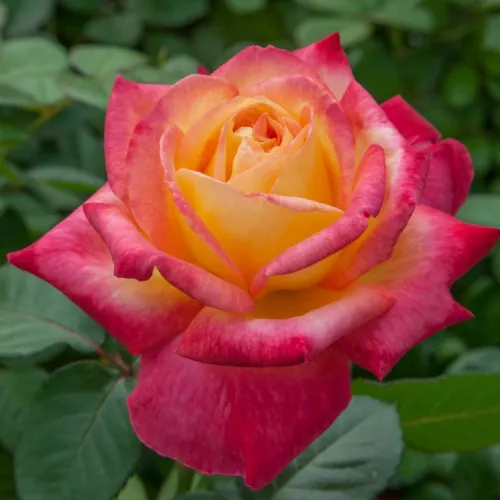
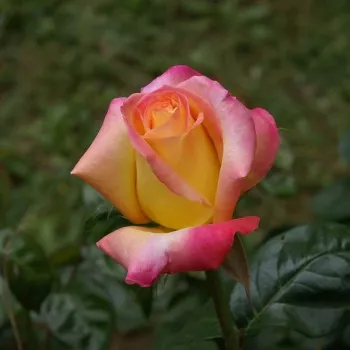
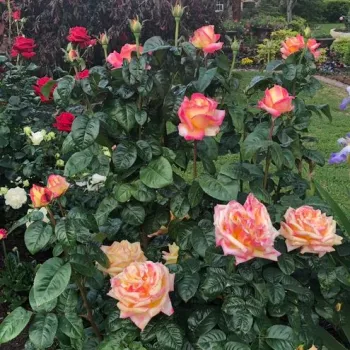
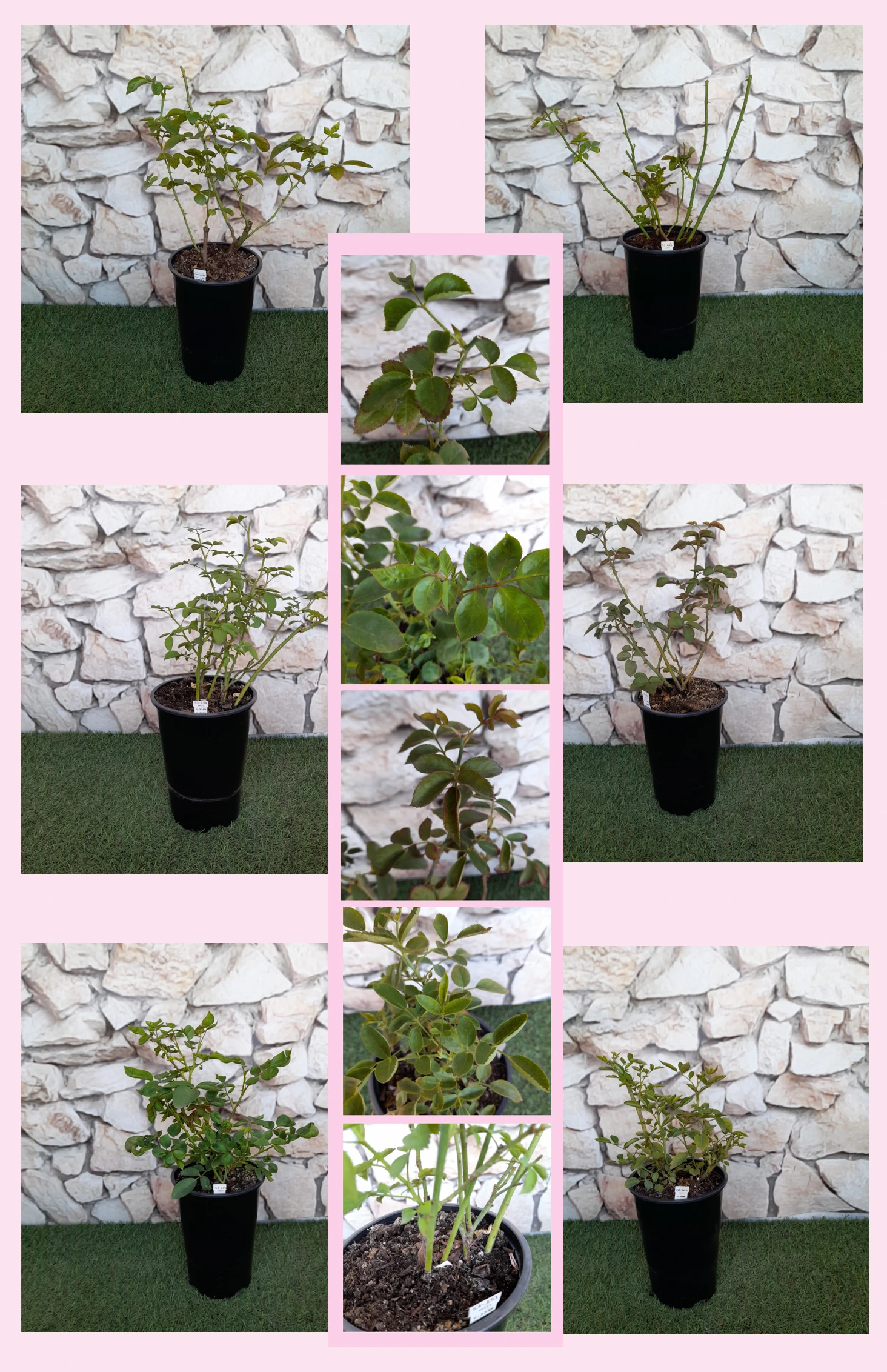
Step through your front gate and let colour, gentle fragrance and classic hybrid tea elegance turn even a compact London plot into a refined welcome home. PULLMAN ORIENT EXPRESS ® brings large, exhibition-style blooms whose golden-yellow petals are edged in raspberry-pink, echoing the luxury train that inspired its name, while coping reliably with cool summers and coastal breezes plus frequent rain showers. Delivered in a manageable 2‑litre own-root pot, it settles in quickly, building a strong base for years of balanced growth and stable beauty. With medium maintenance needs, it suits busy gardeners who still want superb cut flowers for the house, an upright habit that fits narrow beds, and glossy, dark-green foliage that stays attractive between flushes of bloom.
Usage options
| Target area |
Reasoning |
| Feature rose for small front gardens |
The upright habit and 130–170 cm height create vertical impact without overwhelming a narrow London terrace front bed, giving a single, glamorous focal point that reads clearly from the pavement for the style-conscious homeowner. |
| Cut-flower row by a path |
Extra-large, high-centred blooms with over 40 petals are ideal for vases; planting as a short row along a path means you can cut stems easily after work while the rest of the plant continues to flower for the enthusiastic beginner. |
| Specimen rose in a 40–50 litre container |
In a generous, well-drained 40–50 litre pot, this rose makes a refined statement on a doorstep or balcony, with own-root planting supporting long-term structure and easier renewal after any winter damage for the space-limited city-dweller. |
| Mixed bed with perennials for season-long interest |
The long flowering season combines well with lavender, sage or nepeta, whose softer forms fill gaps between flushes and help dry the air around the foliage after showers, reassuring the sustainably minded gardener. |
| Rainwater-conscious front garden design |
Planted in improved, free-draining soil near a permeable drive, this variety copes with typical British showers and breezier, damp conditions, pairing well with gravel and hardy perennials for the eco-aware planner. |
| Showpiece bed for colour and form |
The distinctive yellow-and-pink bicolour and exhibition-style form draw the eye in a simple rectangular bed, creating a sense of order and luxury even in a small plot for the design-focused householder. |
| Own-root rose for long-term planting schemes |
As an own-root plant, it regrows true to type if cut back hard, supporting a planting plan expected to mature over many years without replanting for the forward-thinking owner. |
| Family garden centrepiece near seating |
The medium, sweet fragrance is best enjoyed up close, so placing the rose near a bench or patio gives repeated scented flushes through summer with only moderate care, suiting the relaxation-seeking family. |
Styling ideas
- Portico-Perfect – Place a single specimen in a tall 40–50 litre container by the front door, underplanted with trailing ivy for year-round structure – ideal for image-conscious urban homeowners.
- Ribbon-Border – Line a narrow path with evenly spaced plants at about 55 cm, edging with low lavender to soften the strong stems – for those who like formal structure without fuss.
- Sunset-Trio – Combine one PULLMAN ORIENT EXPRESS ® with nepeta and soft yellow grasses in a small bed, letting the bicolour flowers echo the warm tones – good for compact, west-facing gardens.
- Balcony-Show – In a large container, pair the rose with clematis ‘Rooguchi’ climbing a discreet support, creating layered blooms in limited space – perfect for balcony and roof-terrace gardeners.
- Rain-Garden-Jewel – Set the rose in a slightly raised, well-drained pocket within a gravel rain garden, backed by Cornus alba ‘Spaethii’ for winter stem colour – suited to climate-conscious city plots.
Technical cultivar profile
| Parameter |
Data |
| Name and registration |
Hybrid tea rose group; registered as BAIpeace, traded as Pullman Orient Express ®, exhibition name Love & Peace ™; hybrid tea rose for garden and cutting use. |
| Origin and breeding |
Bred by Ping Lim and Jerry F. Twomey, Bailey Nurseries, USA; seedling × ‘Peace’; bred 1991, registered 2001, introduced 2002 as a premium garden and exhibition cultivar. |
| Awards and recognition |
Holds All-America Rose Selections (2002), multiple People’s Choice awards, ‘Best Rose’ Portland (2006), and RHS Award of Garden Merit, confirming dependable garden performance. |
| Growth and structural characteristics |
Upright hybrid tea reaching about 130–170 cm tall and 70–90 cm wide, with dense, glossy dark-green foliage and moderate prickles; self-cleaning is weak so deadheading is recommended. |
| Flower morphology |
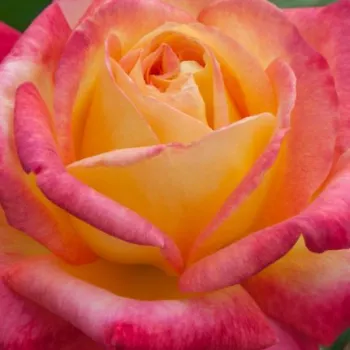
Very double, high-centred hybrid tea blooms with 40+ petals, usually solitary on long stems; extra-large flower size, ideal for cutting; repeat flowering with notably abundant second flush. |
| Colour data and phenology |
Golden-yellow petals with vivid raspberry-pink edges; colour lightens in strong sun, pink margin broadens; ARS YB, RHS 53C and 11B; overall yellow-pink impression with attractive fading stages. |
| Fragrance and aroma |
Medium-strength, pleasantly sweet scent, noticeable on warm, still days; primarily ornamental with fragrance best appreciated near seating or paths where blooms can be enjoyed at close range. |
| Hip characteristics |
Hip set is generally sparse due to full, double blooms; where formed, hips are small, ovoid, 10–14 mm, orange-red (RHS 43A), offering modest late-season ornamental interest. |
| Resistance and winter hardiness |
Hardy to about -15 to -12 °C (RHS H6, USDA 7b, Swedish Zone 2); tolerates heat well with watering in drought; disease resistance moderate to powdery mildew, black spot and rust. |
| Horticultural recommendations |
Suited to flower beds, specimen planting and cutting; medium maintenance with periodic deadheading and disease checks; spacing 50–90 cm, planting density around 3.3–3.8 plants per m². |
PULLMAN ORIENT EXPRESS ® offers classic, award-winning blooms, reliable repeat flowering and long-term own-root resilience, making it a thoughtful choice for gardeners planning a lasting feature.