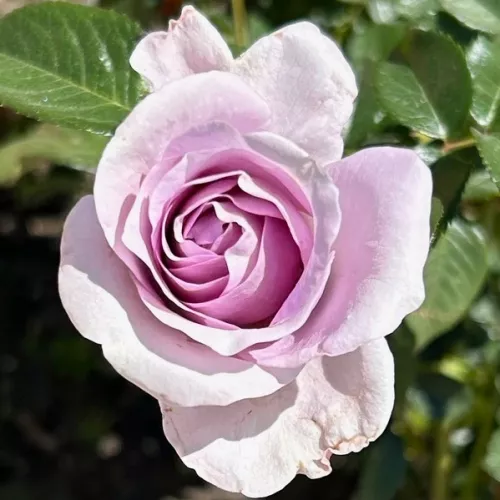
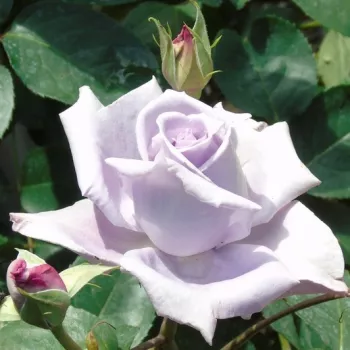
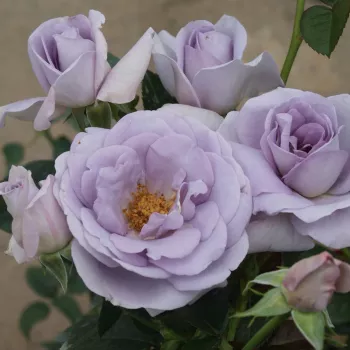
PURPLE MIA – pale lilac bedding floribunda rose
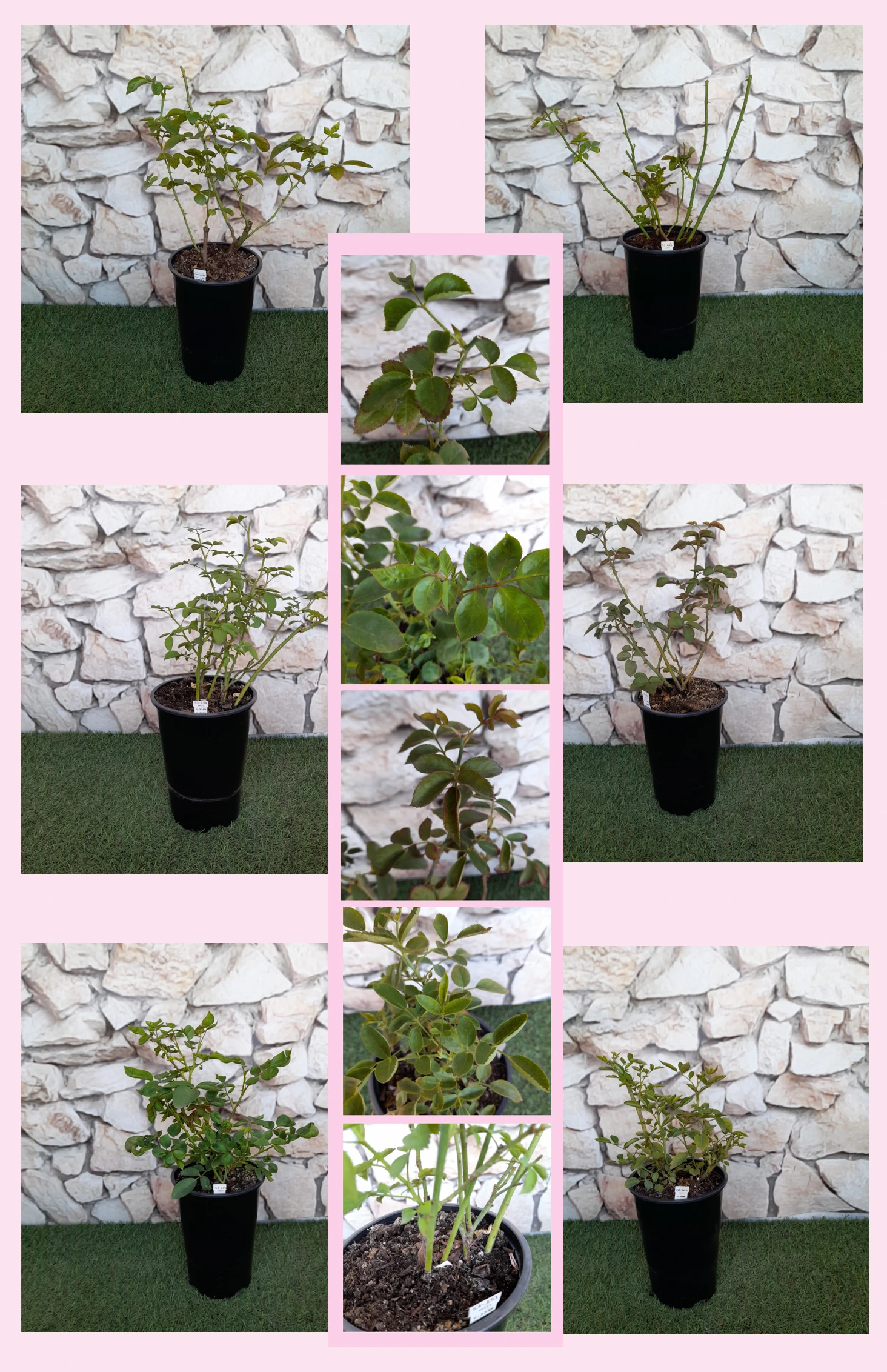
Step onto your front path after rain and PURPLE MIA greets you with powdery lilac blooms and a calm, medium fragrance, its bushy, upright habit sitting neatly in small urban beds and 40–50 litre containers. Bred by Kordes for strong health, this floribunda shrugs off typical British fungal pressure, even where summers are humid and soils stay heavy after showers and downpours. The glossy mid‑green foliage frames each cupped cluster, while its remontant flowering keeps colour returning from early summer well into autumn. As an own‑root plant, PURPLE MIA offers reassuring longevity and reliable regrowth, with roots establishing in the first year, stronger woody shoots building in the second, and full bedding impact by the third.
Usage options
| Target area |
Reasoning |
| Small front garden bed |
The compact, bushy structure and 65–95 cm height sit perfectly beneath bay windows or along narrow London terraces, giving a tidy, elegant frontage without overwhelming the space – ideal for the time-pressed homeowner. |
| Low-maintenance mixed border |
Strong disease resistance allows PURPLE MIA to hold clean, glossy foliage with minimal spraying, so you can underplant with perennials and simply deadhead for repeat blooms – suited to the eco-aware beginner. |
| Feature rose in large container |
In a 40–50 litre pot, its upright habit and medium clusters of lilac flowers provide reliable summer focus on patios or balconies, with straightforward watering and feeding – perfect for the busy urban gardener. |
| Season-long colour strip along a path |
Remontant flowering ensures flush after flush of mauve‑lilac blooms, giving an extended display from early summer to autumn with little more than deadheading – attractive for colour-loving families. |
| Rainwater-friendly, heavy-soil planting |
Once established, the bushy floribunda copes well with typical British rainfall, thriving when planted into improved, free-draining clay that handles frequent downpours and blustery spells – reassuring for sustainability-minded owners. |
| Long-lived structure in a small rose scheme |
As an own-root rose, PURPLE MIA keeps its variety-true character, recovering well after pruning or minor damage and building into a durable, balanced shrub – appealing to long-term planning gardeners. |
| Soft-coloured family seating area |
The powdery lavender and silver-mauve tones read as calm and refined, complementing outdoor furniture and evening lighting without harsh glare – a gentle choice for relaxation-seeking couples. |
| Scented walkway or entrance |
Clusters of double, cupped blooms release a clear, violet-like scent at nose height, particularly effective when planted close to doors or along short paths – rewarding for fragrance-appreciating visitors. |
Styling ideas
- Misty-Fairytale Frontage – Line a short front path with PURPLE MIA and dwarf lavender, using gravel mulch to guide rainwater between plants – perfect for small-plot city homeowners.
- Silver-Toned Balcony Pot – Plant a single rose in a 50 litre container with trailing nepeta and pale gravel, giving a soft mauve and silver scheme – ideal for balcony gardeners with limited time.
- Evening-Reading Corner – Combine PURPLE MIA with low sage and soft grasses near a bench, where its violet fragrance drifts through at dusk – suited to relaxation-focused garden users.
- Contemporary Lilac Ribbon – Create a neat, low ribbon of plants along a driveway, underplanting with thyme for a clean, modern look that still feels green – great for design-conscious families.
- Romantic Urban Mix – Pair with hostas and a pale climbing hydrangea against brickwork for lush foliage and soft blooms, using permeable surfaces to soak up rainfall – fitting for sustainability-minded city residents.
Technical cultivar profile
| Trait |
Data |
| Name and registration |
Floribunda bed rose registered as KORkultop, marketed as PURPLE MIA – pale lilac bedding floribunda rose, with American exhibition name Blue Bajou for show and cut-flower categories. |
| Origin and breeding |
Bred by W. Kordes & Sons in Germany, with unknown parentage; selected and first distributed by Kordes in 1993, reflecting their emphasis on garden performance and robustness. |
| Growth and structural characteristics |
Compact, bushy, upright shrub to around 65–95 cm high and 50–75 cm wide, moderately thorny, with moderately dense, glossy, mid‑green foliage suited to beds, borders and containers. |
| Flower morphology |
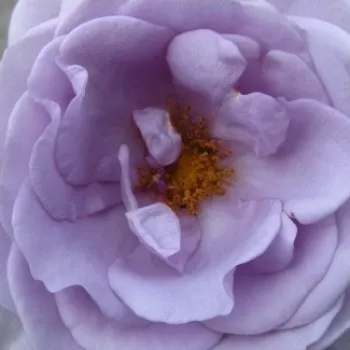
Medium-sized, double, cupped flowers with 26–39 petals, freely produced in clusters, repeating well through the season to give a generous second flush after the first main flowering. |
| Colour data and phenology |
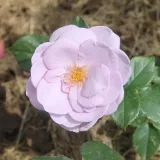
Light lilac to misty purple tones (RHS 75B–75C), opening lavender-lilac with silvery sheen, then maturing to powdery mauve and finally a greyish-mauve with attractive silvery edges. |
| Fragrance and aroma |
Medium-strength, clearly perceptible garden fragrance with a sweet, violet-like character, best appreciated near paths or seating areas where clusters form at convenient smelling height. |
| Hip characteristics |
Due to the full double flowers, hip set is generally low; occasional small ellipsoidal hips, 10–14 mm in diameter, may form and colour orange-red towards the end of the season. |
| Resistance and winter hardiness |
Rated resistant to powdery mildew, black spot and rust; reliably hardy to approximately –26 to –23 °C (RHS H7, Swedish zone 4, USDA 5b), suiting most temperate UK garden conditions. |
| Horticultural recommendations |
Best in sunny beds, borders or large containers; space 45–90 cm depending on use, at 3.3–3.8 plants/m², with light annual pruning and regular deadheading for maximum flowering. |
PURPLE MIA offers compact structure, repeat lilac flowering and dependable health in an own-root form that matures steadily into a long-lived feature, making it a thoughtful choice for understated, sustainable gardens.