QUEEN OF WARSAW – pink bedding floribunda rose – Rojewski
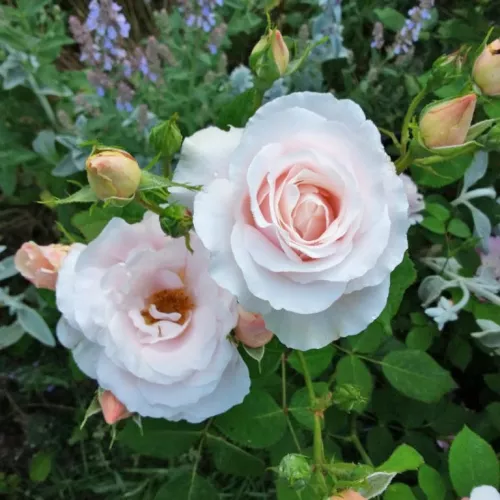
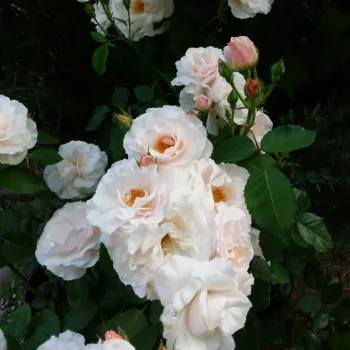
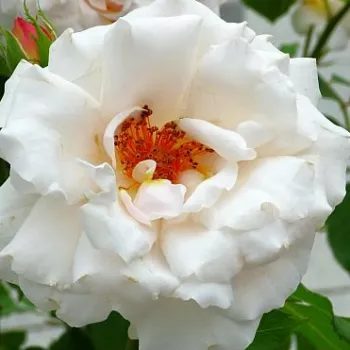
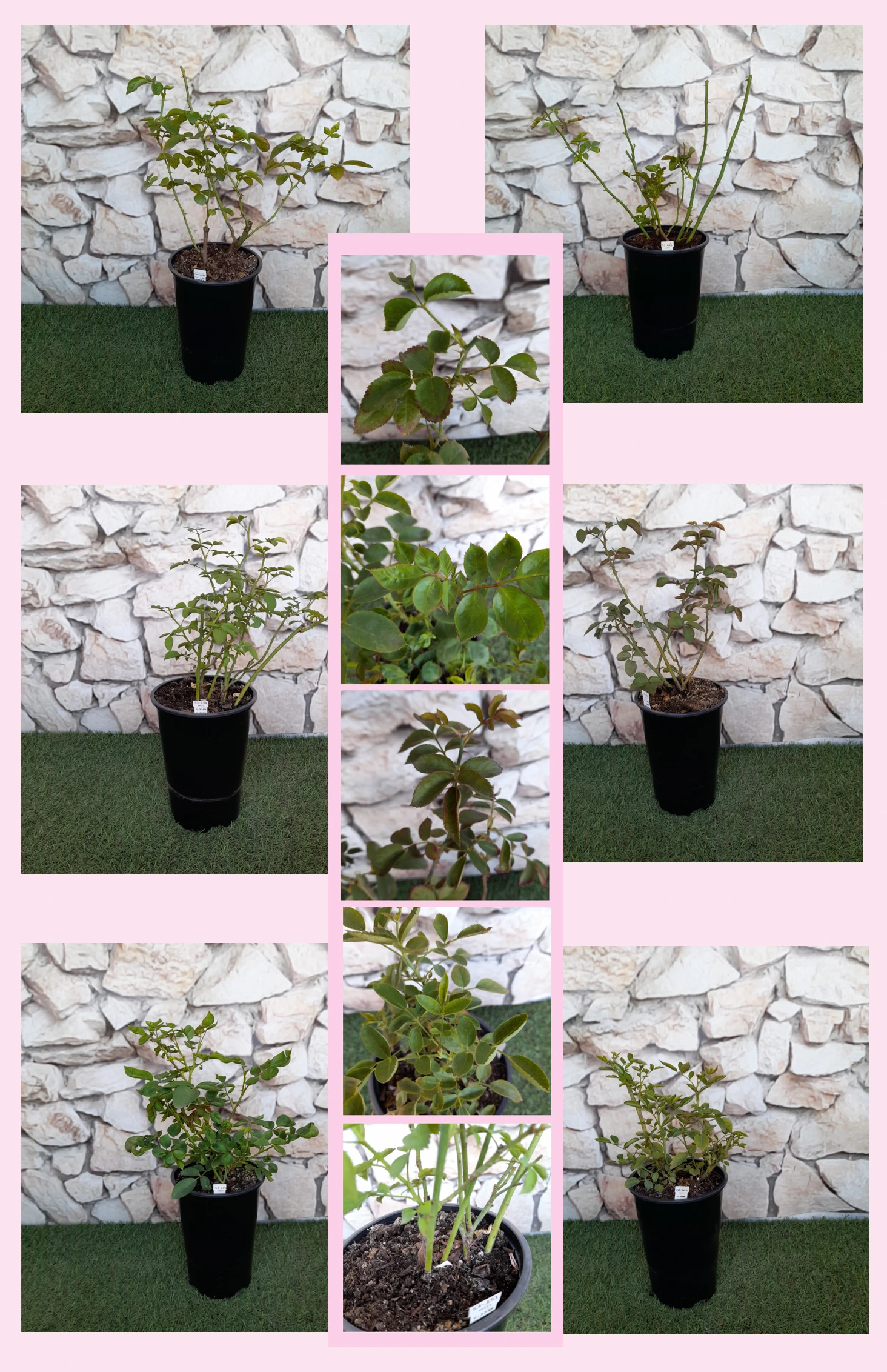
Step off the pavement and into a front‑garden sanctuary with QUEEN OF WARSAW, a floribunda shrub rose that turns even a small London terrace into a quietly fragrant walkway. Its semi‑double, pearlescent pink blooms open wide to reveal pollen, inviting bees while still looking effortlessly elegant. Planted in a well‑prepared bed with improved drainage, it copes gracefully with the UK’s changeable weather, including spells of persistent rain and wind. Clusters of flowers repeat through summer, bringing balance to a busy urban week, while the own‑root form offers reassuring longevity and reliable regrowth after pruning or accidental damage. In a 40–50 litre container, or in a narrow soil strip by the front railings, its bushy habit provides lasting structure, soft colour and a subtly spicy evening fragrance. Over three seasons it settles in naturally – first building roots, then pushing stronger shoots, and by the third year giving its full ornamental display.
Usage options
| Target area | Reasoning |
|---|
| Small front garden bedding strip |
Compact, bushy growth (around 80–110 cm) makes QUEEN OF WARSAW ideal for the narrow soil borders typical of terraced houses, offering long‑season colour without overwhelming limited space for busy urban garden owners. |
| Pollinator‑minded city planting |
Semi‑double, cup‑shaped flowers expose stamens, making nectar easy to access while still looking refined, so you can encourage bees and other visitors in a modestly sized, ornamental setting for sustainability‑focused homeowners. |
| Rain‑resilient family bed |
Good self‑cleaning means many spent blooms drop on their own, helping the shrub stay neat after showers, a practical advantage in regions where blustery, wet weather often coincides with peak flowering for hands‑off hobby gardeners. |
| Own‑root, long‑term feature shrub |
Supplied as an own‑root plant, it can regenerate from its base if cut back hard or nipped by frost, building a stable framework that rewards patient care over many years for gardeners seeking long lifespan. |
| Rainwater‑conscious front garden |
Works well in beds where you improve heavy clay or chalky soil to drain surface rainwater away from paths, helping you combine soft planting with practical, permeable ground for urban front‑garden planners. |
| Large container on balcony or patio |
In a 40–50 litre peat‑free container with good drainage, this variety forms a rounded, flowering shrub that perfumes seating areas, while the own‑root system supports steady, long‑term performance for balcony and patio gardeners. |
| Cut‑flower picking corner |
Clusters of large, lightly translucent blooms provide short‑stemmed cut roses with a distinctive spicy scent and gentle pastel tones, ideal for bringing a small, home‑grown bouquet into the house for creative home decorators. |
| Year‑on‑year family garden project |
This rose rewards a gradual approach: the first year focuses on rooting, the second on stronger top growth, and by the third year it reaches its full display, suiting those who enjoy watching a garden mature for patient beginner gardeners. |
Styling ideas
- Pastel Pathway – Line a narrow front path with QUEEN OF WARSAW underplanted with low nepeta for a soft, bee‑friendly edge – ideal for sustainability‑minded terrace owners.
- Courtyard Focus – Use a single shrub in a 50 litre clay pot by the front door, paired with trailing thyme, for a welcoming, fragrant focal point – suited to busy professionals.
- Romantic Ribbon – Create a low ribbon hedge along a front fence, alternating with lavender for scent and structure – attractive for families wanting subtle privacy.
- Balcony Retreat – Combine one container rose with airy grasses and sage in peat‑free compost for a simple, calming nook – perfect for first‑time balcony gardeners.
- Seasonal Cutting Patch – Group three plants in a sunny bed with summer herbs to supply delicately scented stems for the kitchen table – appealing to creative home florists.
Technical cultivar profile
| Parameter | Data |
|---|
| Name and registration |
QUEEN OF WARSAW – pink bedding floribunda rose, shrub/floribunda group; commercial type bedding floribunda; collection Bedding rose; registered under CPVO 67090 as a protected EU variety. |
| Origin and breeding |
Bred by Łukasz Rojewski (Poland) in 2014 from complex Morgengruss and old rose parentage; introduced after 2024 by Rojewski Roses, combining classic character with modern garden use. |
| Awards and recognition |
Certificat de Mérite at the International New Roses Competition in Switzerland in 2022, followed by EU plant variety protection in 2024, underlining its ornamental merit and breeding value. |
| Growth and structural characteristics |
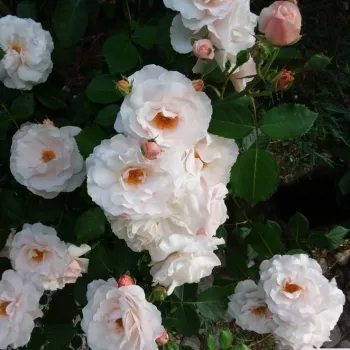
Bushy, evenly rounded shrub reaching about 80–110 cm high and wide, with dense, slightly glossy medium‑green foliage and moderate prickliness, suited to flowerbeds, hedging lines and containers. |
| Flower morphology |
Semi‑double, cup‑shaped blooms with roughly 13–25 petals, produced in clusters; flower size large for a bedding rose and repeat‑flowering with a particularly generous second flush in suitable conditions. |
| Colour data and phenology |
Delicate pearlescent pale pink (RHS 65C outer, 69D inner), opening from milky buds, then fading almost to white with a fine pink veil; overall effect is a soft, translucent pastel across the season. |
| Fragrance and aroma |
Medium‑strength spicy rose fragrance, noticeable on still days and in enclosed spaces; character leans towards warm, gently aromatic notes rather than sweet, adding sophistication to small gardens. |
| Hip characteristics |
Produces moderately abundant spherical orange‑red hips, about 8–12 mm across; decorative in autumn and winter, with small edible fruits that can be used creatively if handled with usual care. |
| Resistance and winter hardiness |
Rated very susceptible to common fungal diseases, requiring regular, proactive plant protection; however, frost hardiness is strong, approximately down to −32 to −29 °C (RHS H7, USDA Zone 4b, Sweden Zon 5). |
| Horticultural recommendations |
Best in sunny, airy positions with improved soil drainage; space 55–100 cm depending on use, at roughly 2.5–2.9 plants/m²; needs consistent care, feeding and disease management for top performance. |
QUEEN OF WARSAW offers pastel repeat flowering, pollinator‑friendly semi‑double blooms and enduring own‑root resilience, making it a thoughtful choice for a long‑lived, characterful family garden rose you can enjoy developing over time.