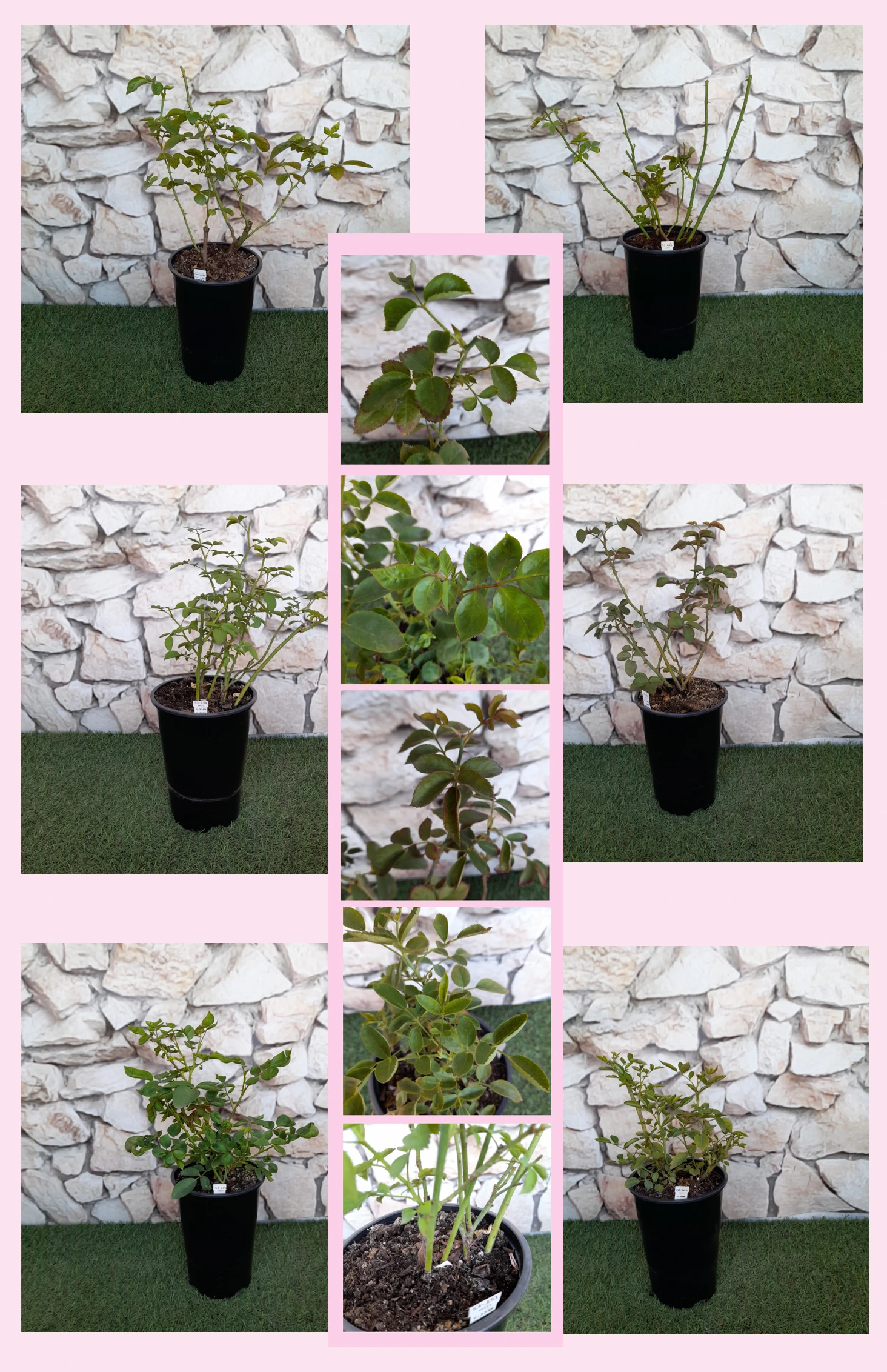
RECONCILIATION® – apricot-pink hybrid tea rose – Harkness
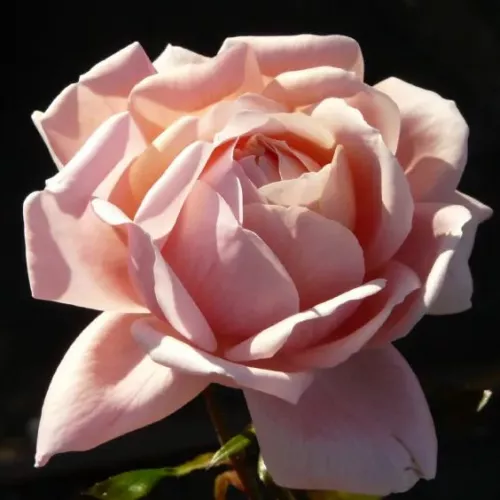
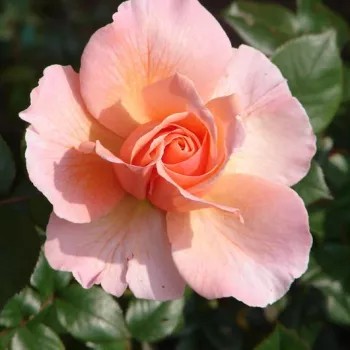
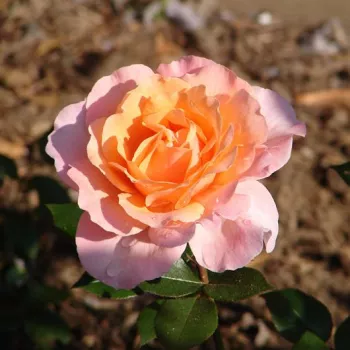
Step outside after rain and RECONCILIATION® greets you with balance in every apricot-pink bloom: a medium-sized hybrid tea rose that fits gracefully into a London front garden, offering scented structure without fuss. Its very strong, honeyed fragrance creates a pathway of scent along narrow terraces, while the warm peach-pink flowers sit on upright, tidy growth that suits smaller family plots. As an own-root rose it builds longevity into your planting, forming a stable, regenerating shrub that settles in for the long term with little intervention. You can expect a calm, steady development – roots in the first year, more shoots in the second, and full ornamental value by the third – so the rose matures in step with your wider garden plans. Remontant flowering brings continuity of colour from summer into autumn, especially when you use simple deadheading to keep new buds coming. The glossy dark foliage provides an elegant, green backdrop, and its reliable black-spot resistance helps it cope with humid, changeable British weather in areas where breezy showers and sudden downpours are common. In containers of 40–50 litres or more it offers structure and scent near your front door, while its upright habit allows space for low, drought-aware companions beneath. Peat-free compost, careful watering and simple seasonal checks are enough to keep this rose thriving, supporting a quietly sustainable approach to a stylish, rainwater-conscious terrace.
Usage options
| Target area | Reasoning |
|---|
| Front garden feature rose |
Use RECONCILIATION® as a single specimen to anchor a compact front garden; its upright habit and medium height create a gentle vertical accent without overwhelming a narrow plot, ideal for a calm, balanced entrance for the time-pressed city homeowner beginner-gardener |
| Fragrant doorway container |
Planted in a 40–50 litre pot by the front step, this rose delivers intense, honeyed perfume and repeat blooms through the season, giving high impact from a small footprint with straightforward watering and feeding routines for the urban balcony or doorstep gardener busy-urban-owner |
| Rain-aware terrace border |
Set into a narrow, permeable strip by the pavement, it works with gravel and low perennials to let rain soak away, while its strong root system on own roots offers long-term stability and low replacement need for households seeking resilient, rain-conscious planting sustainability-focused-family |
| Small family garden flower bed |
In a mixed bed, its remontant flowering and warm peach-pink tones give reliable colour across the school-holiday months; moderate maintenance deadheading is simple, and own-root resilience means it copes well with everyday family wear and tear for casual home gardeners young-family-owners |
| Cut-flower corner |
This hybrid tea rose produces well-shaped, medium-sized blooms ideal for cutting; planting a small group at recommended spacing provides a steady supply of scented stems without needing complex pruning, suiting those who enjoy home arrangements but have limited time home-flower-enthusiast |
| Clay-tolerant structural planting |
On improved but heavier soils it forms an upright, moderately dense shrub that holds its shape, while good black-spot resistance supports healthy foliage even in humid spells with showery winds, useful where gardens face blustery, moisture-laden weather coastal-town-gardener |
| Low-input long-term planting |
The own-root form offers long lifespan, steady regeneration from the base and a dependable outline, so after initial establishment it mainly needs routine care rather than frequent replacement, appealing to those planning a garden to mature slowly with them |
| Formal path edging rose |
Planted in a loose row at 40–50 cm spacing, its upright habit, glossy foliage and repeat flowering create a soft, structured edging along paths or drives; simple deadheading keeps it neat without intricate shaping, ideal for orderly yet undemanding schemes informal-stylist |
Styling ideas
- Soft-terrace-border – Combine RECONCILIATION® with airy Nepeta and low grasses to frame a small London front garden, using its repeat blooms as a scented focal point – for design-conscious city homeowners.
- Container-harmony – In a 40–50 litre pot, underplant with trailing thyme and decorative gravel to balance fragrance with easy care – for balcony and doorstep gardeners wanting structure without complexity.
- Calm-cutting-strip – Line a sunny fence with RECONCILIATION® and a row of Iris germanica to enjoy coordinated cut flowers over months – for home florists seeking reliable stems from a compact space.
- Rainwise-entryway – Pair the rose with Hypericum ‘Hidcote’ and permeable paving, letting water drain between plants while the rose gives upright colour and scent – for households upgrading hardstandings more sustainably.
- Family-scent-path – Plant a loose double row along a main garden path so children pass between fragrant blooms all summer – for families wanting gentle structure and long-lived planting around everyday play.
Technical cultivar profile
| Parameter | Data |
|---|
| Name and registration |
Hybrid tea rose group; registered cultivar HARtillery, trade name RECONCILIATION® Hybrid tea rose HARtillery, ARS exhibition name Reconciliation; part of the EleanorROSE® ORIGINAL own-root range. |
| Origin and breeding |
Bred by Harkness & Co. in the United Kingdom and introduced in 1995; parentage unknown; developed as a fragrant, garden-ready hybrid tea suited to both beds and cutting. |
| Growth and structural characteristics |
Upright, medium shrub to around 90–130 cm high and 60–90 cm wide; moderately dense, glossy dark green foliage, moderately thorny stems, forming a defined, structural presence in small gardens. |
| Flower morphology |
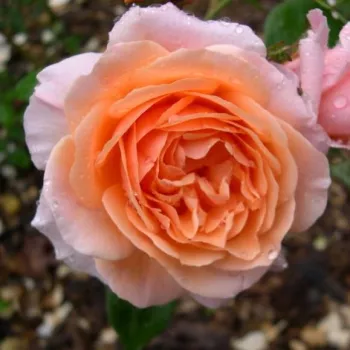
Very double hybrid tea blooms with 40+ petals, medium-sized cup-shaped solitary flowers on upright stems; remontant, with the second flush also abundant given basic deadheading and feeding. |
| Colour data and phenology |
Peach-pink blooms: deep peach-orange buds (RHS 24B/24A) opening to warm peach with pink tones, then soft cream-peach with pink flush; colour holds well before gently fading towards softer pastels. |
| Fragrance and aroma |
Very strong, garden-filling scent with peachy, honeyed character; designed to provide a noticeable perfume along paths, terraces and seating areas, especially effective in still, humid evening air. |
| Hip characteristics |
Hip set is generally limited by the very double bloom form; where produced, hips are spherical, around 12–18 mm in diameter, and ripen to an attractive red accent late in the season. |
| Resistance and winter hardiness |
Hardy to around −21 to −18 °C (RHS H7, roughly USDA 6b); black spot resistance good, with moderate tolerance to powdery mildew and rust; regular watering needed in prolonged heat or drought. |
| Horticultural recommendations |
Best in full sun, in well-drained but moisture-retentive soil; plant 40–80 cm apart depending on use; suitable for beds, low hedging, containers and cutting, with moderate maintenance and occasional protection. |
RECONCILIATION® Hybrid tea rose HARtillery offers intense fragrance, repeat flowering and long-lived own-root reliability for compact, sustainable gardens; a thoughtful choice if you favour lasting structure over short-term displays.