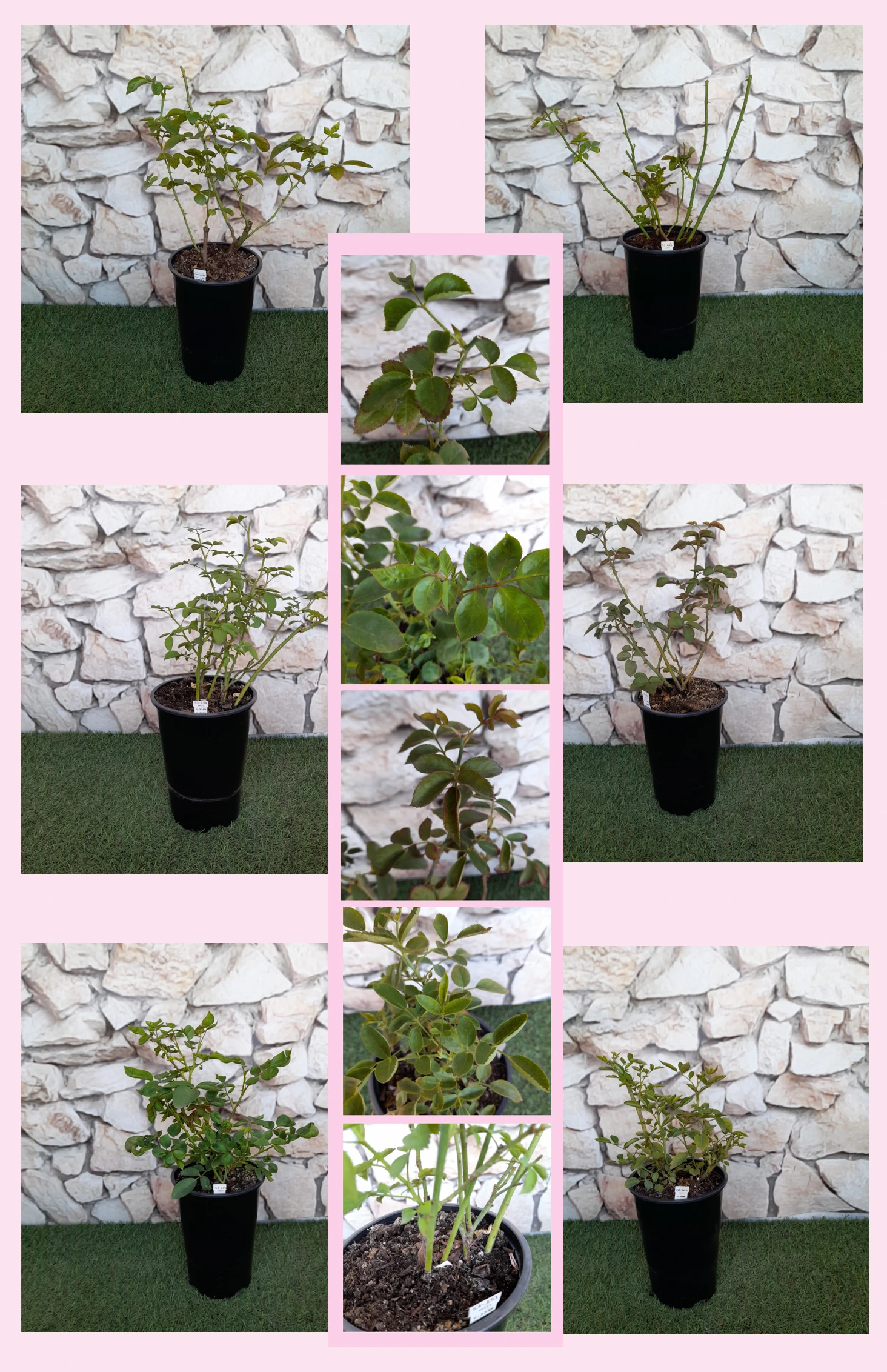
RENAISSANCE DE FLÉCHÈRE – golden-yellow hybrid tea rose – Ducher
Step out after rain and let the glowing, golden blooms of Renaissance de Fléchère bring a sense of balance to even the smallest front garden. This compact, upright hybrid tea settles quickly into heavy soils and copes reliably with brisk, damp weather and coastal winds, making it a reassuring choice for exposed, rain-soaked London terraces. On its own roots it offers quiet longevity, regenerating well from the base and holding its shape year after year, without the worry of graft unions or rootstock shoots. In the first season it concentrates on building roots, in the second it fills out with healthy shoots, and by the third it delivers confident, repeat-flowering impact that feels both sustainable and soothingly low-maintenance.
Usage options
| Target area |
Reasoning |
| Small London front garden feature |
Its compact, upright habit and moderate height suit narrow urban front gardens where space is tight but you still want a clear focal point by the path or doorstep. Easy care and tidy form mean little work for a busy homeowner. |
| Rainwater-conscious mixed border |
Performs well in typical British conditions, coping with wet spells and breezy, moisture-laden air that challenge fussier roses, supporting gardens designed around managing frequent downpours and heavier soils for the sustainability-minded gardener. |
| Low-maintenance “girly” rose bed |
Repeat, remontant flowering with abundant second flush provides a long season of soft, feminine, golden-cream blooms without complex pruning, ideal beside a front path or bay window for a style-focused beginner. |
| Statement container on balcony or patio |
The bushy, upright form works beautifully in a large 40–50 litre pot, where own-root stability helps it mature into a durable, long-lived container rose for paved, rainwater-harvesting spaces enjoyed by the urban balcony owner. |
| Cutting patch or cutting row |
Hybrid tea form with solitary, cup-shaped blooms on good stems makes it suitable for home cutting, providing fragrant, golden-yellow flowers for vases without needing a dedicated show garden for the home flower arranger. |
| Family garden specimen near seating |
Moderate, fruity fragrance combines with medium-sized, double flowers to create a pleasant, not overpowering scent by a bench or small terrace, adding a calm, restorative note for the relaxation-seeking family. |
| Resilient rose for mixed clay borders |
Good heat tolerance, resistance to powdery mildew and black spot, and reliable performance when drainage is improved make it a sensible choice for typical British clay borders tended by the practical hobby gardener. |
| Structured edging or low hedge |
Recommended planting distances allow you to create a neat, low hedge with evenly spaced, dark green foliage and consistent flower display, giving subtle formality without complex clipping for the informal front-garden planner. |
Styling ideas
- Romantic – Plant in a trio with low Nepeta x faassenii to soften the base of the bush and echo the golden flowers with a cool blue haze – ideal for urban terrace romantics.
- Sunlit – Combine with Achillea millefolium and light ornamental grasses for a warm, glowing border that catches evening light – suitable for time-poor after-work gardeners.
- Formal – Line a front path with evenly spaced plants, underplanted with low evergreen groundcover, for a simple, orderly welcome – perfect for neat, low-maintenance front gardens.
- Container – Grow one plant in a 40–50 litre pot with free-draining, peat-free compost and gravel mulch to suit rainwater-focused patios – good for balcony and courtyard owners.
- Cottagey – Mix with lavender and catmint in a small border for a soft, “girly” cottage feel that flowers over a long season – appealing to beginner cottage-style enthusiasts.
Technical cultivar profile
| Parameter |
Data |
| Name and registration |
Renaissance de Fléchère is a hybrid tea rose traded as a garden shrub and cut flower; ARS exhibition name Renaissance de Flechere; group and commercial type hybrid tea rose. |
| Origin and breeding |
Bred by Fabien Ducher at Roseraie Ducher, Châteauneuf, Loire, France, with parentage unknown; introduced in France in 2004 and selected for garden and cutting use. |
| Growth and structural characteristics |
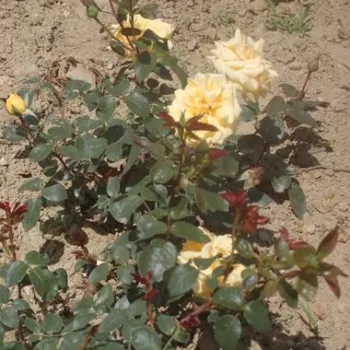
Upright, bushy habit reaching about 80–110 cm high and 50–70 cm spread; moderately dense, dark green, slightly glossy foliage; moderately thorny stems, suitable for beds and edging. |
| Flower morphology |
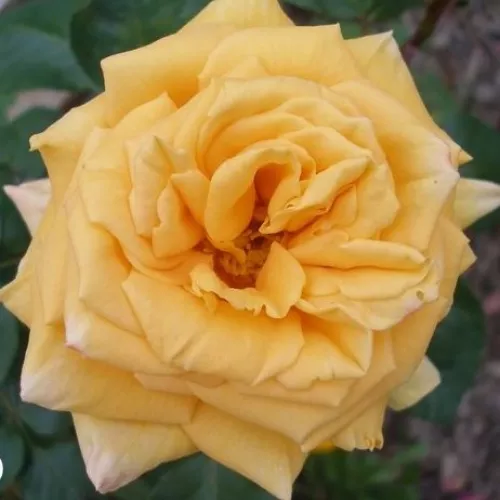
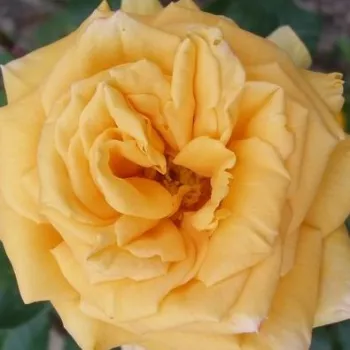
Medium-sized, double, cup-shaped blooms with 26–39 petals, usually borne singly on stems; remontant flowering with an abundant second flush for extended seasonal display. |
| Colour data and phenology |
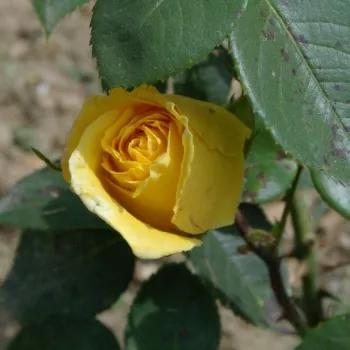
Golden-yellow flowers, ARS MY; outer petals RHS 12B, inner 11A; intense golden buds open to bright yellow, then fade gracefully to soft creamy tones with a warm yellow centre. |
| Fragrance and aroma |
Moderate, noticeable fragrance with a fresh, fruity character; suitable for planting near paths and seating, adding scent without dominating small gardens or enclosed courtyards. |
| Hip characteristics |
Produces moderately abundant spherical hips, around 12–18 mm in diameter, turning red as they mature and adding a small amount of late-season ornamental interest. |
| Resistance and winter hardiness |
Rated around USDA zone 6b, RHS H7, tolerating approximately −21 to −18 °C; good heat tolerance; resistant to powdery mildew and black spot, with moderate susceptibility to rust. |
| Horticultural recommendations |
Best in a sunny spot with improved drainage on heavier soils; medium maintenance with occasional plant protection; spacing 50–90 cm depending on use; also suitable for large containers. |
Renaissance de Fléchère offers long-season golden blooms, reliable health and compact structure in a durable own-root form that will suit gardeners seeking a quietly dependable, beautifully balanced rose.