ROSENGARTEN ZWEIBRÜCKEN – purple-lilac climbing rose - Warner
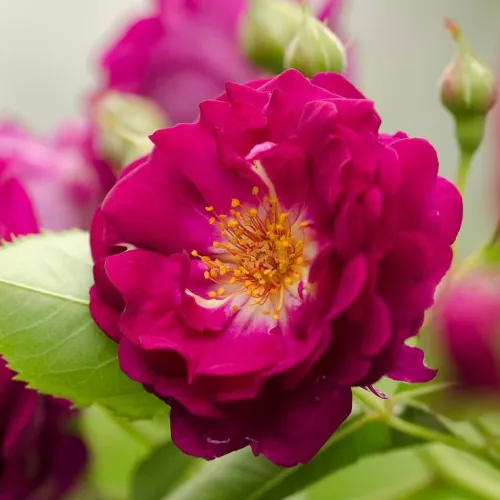
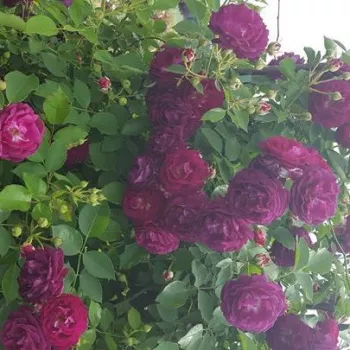
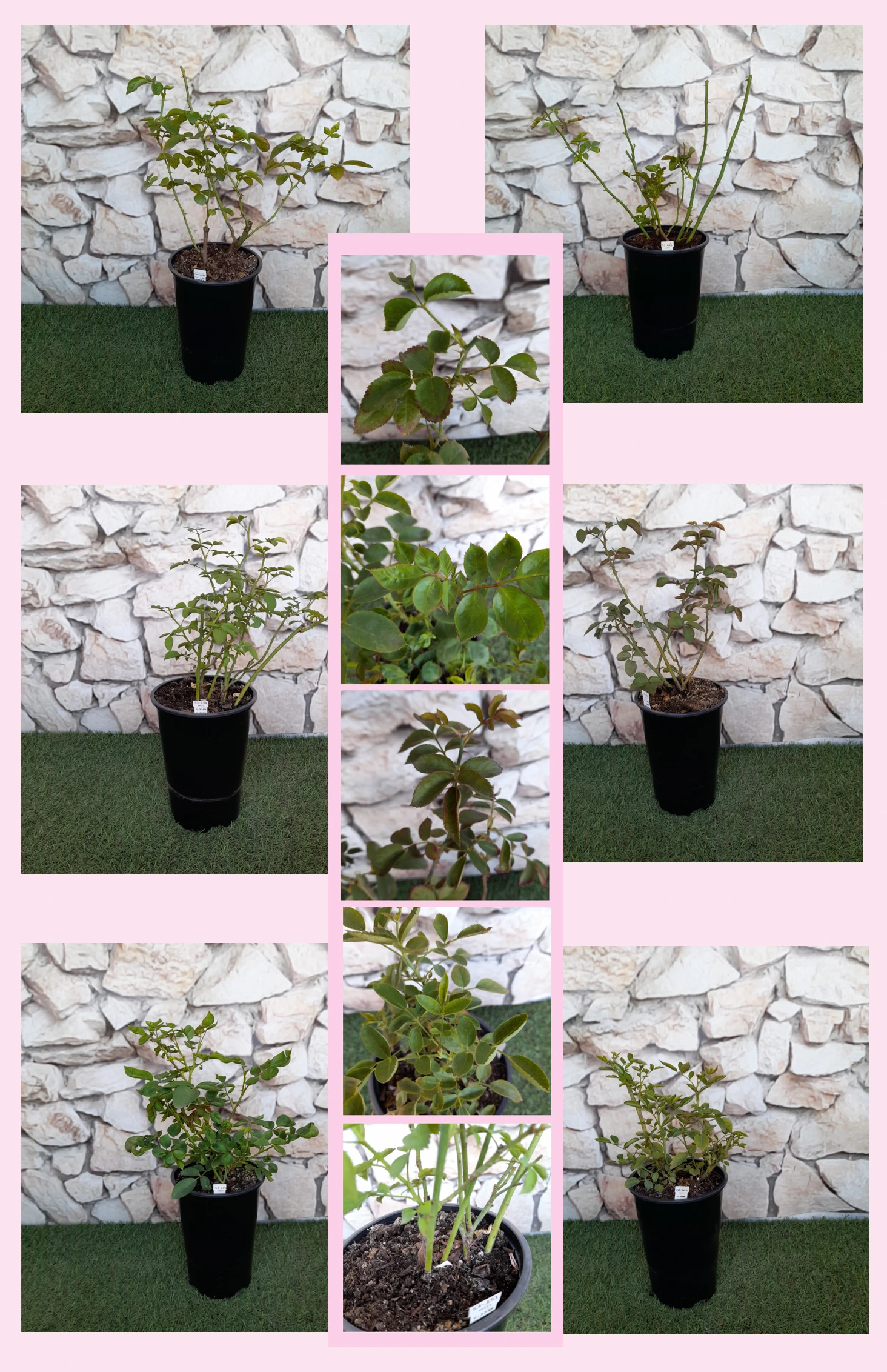
Step out after rain and let Rosengarten Zweibrücken frame your doorway or terrace with richly scented, crimson‑purple clusters that soften to lilac, creating a sense of calm balance in compact London front gardens. This climbing rose brings a long season of colour and fragrance from an own‑root plant that quietly gains strength, ideal where you are managing heavier soils and changeable, breezy weather in a typical family plot. Over its first seasons, roots establish, then shoots extend, before full ornamental presence develops by year three, giving you reliable longevity, reassuring regeneration after pruning, and sustainable, low‑input structure for pergolas, fences and walls while remaining invitingly accessible to hobby gardeners seeking characterful yet straightforward planting.
Usage options
| Target area |
Reasoning |
| Narrow London terrace front garden |
Train this medium‑vigorous climber flat against railings or a wall to lift colour and scent off the ground without stealing precious paving or bin space. Own‑root resilience supports long life with light annual pruning, suiting the time‑pressed beginner. |
| Rainwater-friendly urban facade |
Combine with a simple gravel strip or permeable driveway so rain runs to the root zone rather than a drain, while the climber clothes downpipes and fences in long‑season blooms. Its dependable growth offers visual stability for the sustainably minded homeowner. |
| Family pergola or arch |
Use its 2.2–3.4 m height to drape a walk‑through arch or compact pergola in strongly perfumed flowers that repeat through summer, creating a sensory route children and adults will enjoy. Own‑root stamina means structure improves year on year for the relaxed gardener. |
| Small seating corner or balcony wall (large container) |
Planted in a 40–50 litre peat‑free container with a sturdy trellis, it becomes a vertical screen that perfumes evening seating areas, with manageable growth and sparse thorns making upkeep easier at arm’s reach for the busy city-dweller. |
| Pollinator-aware family garden |
The semi‑double clusters offer at least some access to pollen, complemented well by nearby nectar‑rich perennials, so you can enjoy intense fragrance while still giving visiting insects a modest resource, an appealing balance for the environmentally conscious family. |
| Clay or chalky suburban boundary fence |
Once drainage is improved with organic matter and grit at planting, this own‑root climber steadily settles and thickens along a boundary, coping with typical British swings between wet spells and breezy days to give lasting cover for the practical planner. |
| Character feature in compact modern garden |
Its shifting crimson‑to‑lilac tones and moderate clusters create a focal point without overwhelming small spaces, while medium maintenance needs suit those happy with an occasional tidy but not complex routines, ideal for the style-led owner. |
| Cut-flower corner by the front path |
Position near the front gate so you can easily gather a few scented stems for the house, encouraging regular light pruning that keeps growth in check and flowering strong, a satisfying ritual for the scent‑loving enthusiast. |
Styling ideas
- Romantic-Arch – Train over a slim metal arch with lavender or Nepeta at the base to soften lines and attract pollinators – perfect for couples upgrading a small front path.
- Rain-Garden-Front – Underplant along a gravelled, permeable driveway with low grasses and sage to direct rain into the soil – ideal for eco-conscious terrace owners.
- Evening-Niche – Use a large container beside a bench, pairing with white obedient plant for contrast and dusk visibility – suited to balcony or courtyard relaxers.
- Family-Frame – Let it frame a play-lawn fence with blue globe thistle nearby for texture and bees – great for families wanting wildlife interest without losing space.
- Elegant-Screen – Create a scented screen between parking and front door, weaving through a simple wire frame with French marigolds at feet – for neat, low-fuss front gardens.
Technical cultivar profile
| Parameter |
Data |
| Name and registration |
Climbing rose group; registered as CHEwpurplex, marketed as Rosengarten Zweibrücken Climbing rose CHEwpurplex; exhibition category climbing rose; name honours the Zweibrücken rose garden. |
| Origin and breeding |
Bred by Christopher H. Warner in the United Kingdom (2009); breeding parentage unknown; introduced after 2013 by Rosen-Union e.G. in Germany; plant variety protection registered 2013 in New Zealand. |
| Awards and recognition |
Recipient of a Gold Medal at the Baden-Baden rose trials in 2010, recognising its ornamental performance and garden value within international competition among contemporary climbing cultivars. |
| Growth and structural characteristics |
Medium-vigorous climber reaching about 220–340 cm high with 150–260 cm spread; moderately dense, mid-green, slightly glossy foliage; sparsely thorned canes provide easier training and child-friendly handling. |
| Flower morphology |
Semi-double, cup-shaped blooms with around 13–25 petals; medium-sized clusters on flowering trusses; remontant habit with a second flush that is notably abundant, extending ornamental impact well into late season. |
| Colour data and phenology |
Crimson-purple overall tone (RHS 77A–77B); buds dark and velvety, opening deep violet-red with paler lilac-pink edges; colour gradually lightens to pinkish purple, giving layered, changing effects across a long flowering period. |
| Fragrance and aroma |
Very strongly scented, garden-filling perfume with a full-bodied spicy character overlaid by berry-like fruit notes; fragrance intensity makes it suitable for planting close to seating areas, paths or doorways. |
| Hip characteristics |
Forms spherical red hips about 6–10 mm in diameter in moderate quantities; hips add a discreet late-season accent without significantly weighing down the canes or interrupting the plant’s overall ornamental effect. |
| Resistance and winter hardiness |
Hardy to approximately −21 to −18 °C (RHS H7; Swedish zone 3; USDA 6b); moderate resistance to powdery mildew, black spot and rust, generally manageable with good air circulation and standard integrated care. |
| Horticultural recommendations |
Best on pergolas, arches, fences, pillars or walls, and in large containers; medium maintenance, occasionally needs plant protection; prefers sunny to partial shade spots; recommended spacing about 140–220 cm depending on use. |
ROSENGARTEN ZWEIBRÜCKEN – purple-lilac climbing rose - Warner offers strongly scented repeat flowering, space-saving vertical structure and long-lived own-root reliability; an informed choice if you wish to enrich a compact, sustainable garden.