ROSEROMANTIC® – cream-pink bedding floribunda rose – Kordes
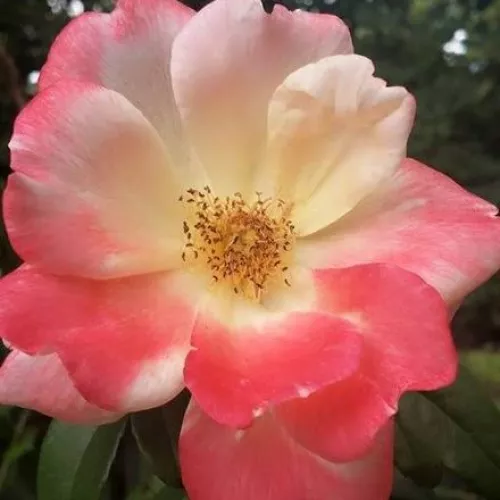
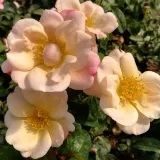
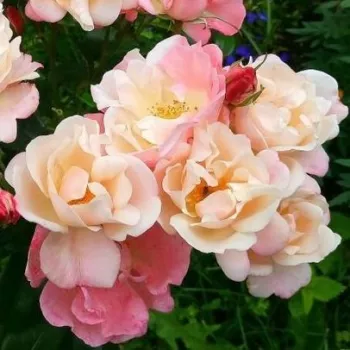
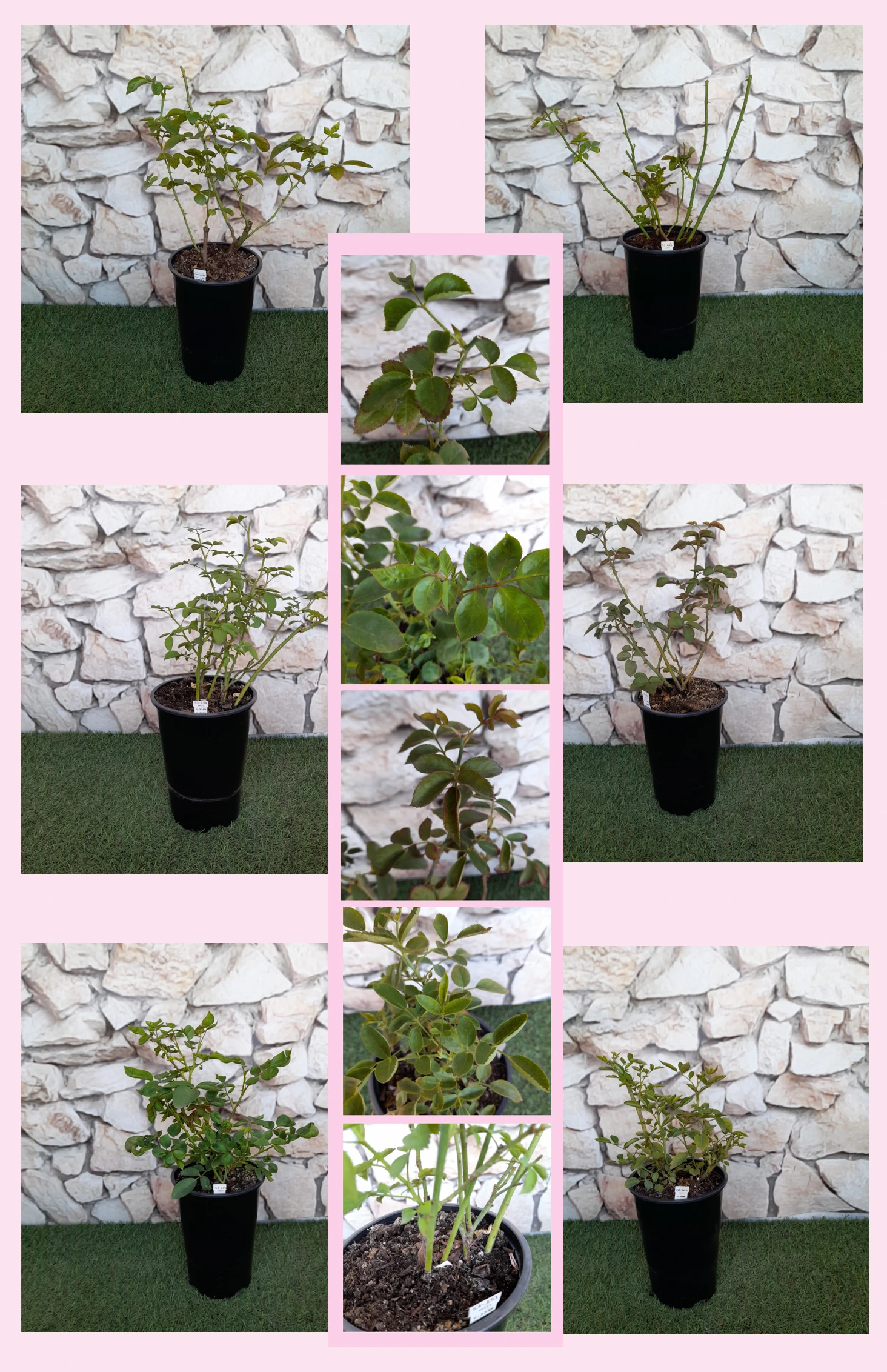
Step from pavement to front path and be greeted by creamy clusters of softly blushed blooms on a compact, bushy shrub that keeps flowering from early summer well into autumn, even in typical British showers and breezier coastal conditions. Roseromantic® has been bred for modern low-input gardens: dense, glossy dark-green foliage, excellent health, and self-cleaning flowers that drop neatly, keeping maintenance simple for busy householders. In a small London front garden, narrow border or large container on a balcony, its upright habit and reliable repeat flushes offer a gentle, elegant structure without demanding complicated pruning. As an own-root rose it builds a strong, stable framework over time, regenerating well after harsh weather or accidental damage and supporting an impressively long garden life. Expect roots to settle in the first year, shoots to fill out in the second, and full ornamental value by the third, giving you a quietly reassuring, long-term feature for family spaces. Its semi-double flowers offer a light, partially pollinator-friendly landing place, while the rose’s compact spread helps you keep front gardens green, sustainable and neighbour-pleasing instead of paved. Whether teamed with lavender, catmint or airy grasses, Roseromantic® slips naturally into rainwater-conscious planting plans, balancing soft colour, practical durability and easy care for urban and suburban gardeners alike.
Usage options
| Target area | Reasoning |
|---|
| London terraced-house front garden |
The compact, bushy habit (around 60–85 cm high and 50–75 cm wide) makes Roseromantic® ideal for the tight beds typical of terraced fronts, giving a generous display without overwhelming railings, bin spaces or paths; neat self-cleaning flowers reduce deadheading and help keep entrances smart for busy urban homeowners. |
| Low-maintenance family flowerbed |
Excellent resistance to black spot, powdery mildew and rust means fewer sprays and less worry in family gardens where time, pets and children all compete for attention; the upright, well-branched shape forms a tidy, repeat-flowering core in mixed borders that remains attractive with minimal intervention for time-poor parents. |
| Rainwater-friendly front garden scheme |
Suited to beds where run-off from roofs and paths is directed into planting, Roseromantic® copes well with regular rain, combining dense foliage and fibrous roots that stabilise soil while its compact canopy leaves room for groundcovers and perennials to share moisture for sustainability-focused gardeners. |
| Large container on balcony or patio |
The moderate height and bushy, upright frame work beautifully in a 40–50 litre or larger patio pot, where its dark, glossy foliage and repeat cream-pink flushes bring structure and colour; own-root vigour supports long-term performance in containers with just seasonal feeding for balcony gardeners. |
| Small mixed border with perennials |
Clustered, medium-sized blooms on strong stems integrate easily with companion plants such as lavender, nepeta or salvias, providing a soft, romantic contrast to spires and fine foliage while maintaining a clear shrub outline, supporting balanced planting that looks finished from early on for design-conscious beginners. |
| Compact, sustainable hedge or row |
Planting at 35–40 cm intervals creates a low, flowering line that defines paths or separates front gardens without the bulk of a traditional hedge; glossy, healthy leaves and repeat blooms give a long season of interest, while own-root plants knit together reliably over years for long-term planners. |
| Partially shaded urban plot |
Tolerance of partial shade allows Roseromantic® to flower well where high walls, fences or neighbouring buildings limit direct sun, such as side returns or north-east–facing frontages, maintaining colour and leaf quality where many roses would sulk or defoliate for city-based gardeners. |
| Pollinator-aware family planting |
Semi-double flowers provide some accessible pollen, offering at least a modest resource when combined with more strongly pollinator-focused perennials; this lets you enjoy a refined, romantic rose while still improving ecological value in compact gardens under typical humid, rain-prone British conditions for eco-conscious households. |
Styling ideas
- Front-Row Charm – Line a narrow front border with Roseromantic® and underplant with low thyme and gravel pockets to soak up rainwater, creating a soft, feminine welcome – ideal for small urban terraces.
- Balcony Boutique – Plant one shrub in a 50-litre clay pot with trailing ivy and soft pink pelargoniums to enjoy layered colour and foliage on a compact balcony – perfect for renters wanting impact without digging.
- Romantic Ribbon – Create a low, creamy-pink ribbon along a path by alternating Roseromantic® with lavender or dwarf sage for fragrance and pollinator support – suited to families updating tired lawns.
- Pastel Patchwork – Mix Roseromantic® with airy grasses and white verbena in a small bed to blend movement, texture and calm colour, easing hard edges beside drives – great for first-time front-garden designers.
- Cottage Corner – Pair Roseromantic® with catmint, daisies and soft herbs in a sunny corner, letting the glossy foliage act as a calm backdrop to informal cottage-style planting – appealing to relaxed, low-fuss gardeners.
Technical cultivar profile
| Characteristic | Data |
|---|
| Name and registration |
Roseromantic® Kordes’ Klima-Rosen®, floribunda bed rose, shrub category; registered as KORumneza, also known in exhibitions as ‘Fire Opal’, bred and marketed within the Kordes climate-resilient range. |
| Origin and breeding |
German floribunda from W. Kordes’ Söhne, bred by Tim-Hermann Kordes from unnamed Rosa seedlings; bred in 2002, registered and introduced in 2014 as part of a modern, robust rose line. |
| Awards and recognition |
Gold medal and State award at Geneva 2013, first-class certificate The Hague 2013, certificates of merit Belfast and Hradec Králové, plus Australian National Rose Trial bronze medal, confirming broad international garden merit. |
| Growth and structural characteristics |
Bushy, upright shrub reaching around 60–85 cm high and 50–75 cm wide, with dense, dark green glossy foliage and moderate prickles; naturally tidy habit suited to beds, borders, low hedging and spacious containers. |
| Flower morphology |
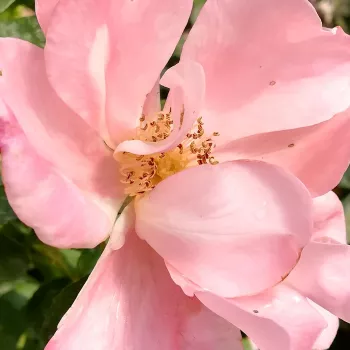
Semi-double, cup-shaped blooms with approximately 13–25 petals in generous clusters; medium-sized flowers (about 7–10 cm) repeat freely through the season, with good self-cleaning that reduces deadheading needs. |
| Colour data and phenology |
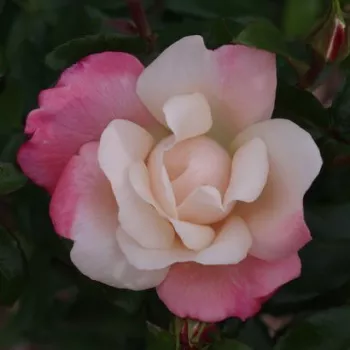
Cream base overlaid with salmon-pink veiling; buds cream-yellow with blush, opening to creamy white with pinked edges, maturing to powdery pink outer petals then fading to soft off-white while retaining overall colour harmony. |
| Fragrance and aroma |
No noticeable scent; selected primarily for visual effect, health and reliability rather than perfume, making it a good partner for aromatic companion plants such as lavender, nepeta, herbs or scented annuals. |
| Hip characteristics |
Typically forms small, ellipsoid orange-red hips around 5–7 mm in diameter; decorative in a subtle way, extending seasonal interest into autumn and offering a light wildlife resource where flowers are left to set. |
| Resistance and winter hardiness |
High resistance to black spot, powdery mildew and rust; performs well in wet, humid seasons. Hardy to approximately –21 to –18 °C (RHS H7, USDA 6b), suitable for most UK regions including cooler inland sites. |
| Horticultural recommendations |
Best in well-drained soil with regular moisture; suitable for mass planting, borders, hedging and containers. Space 35–65 cm depending on use; low maintenance, with light annual pruning and balanced feeding recommended. |
Roseromantic® KORumneza offers compact, healthy, repeatedly flowering cream-pink clusters that stay attractive with little pruning, and as an own-root shrub it promises stable, long-lived structure for those seeking a quietly dependable rose to plant now.