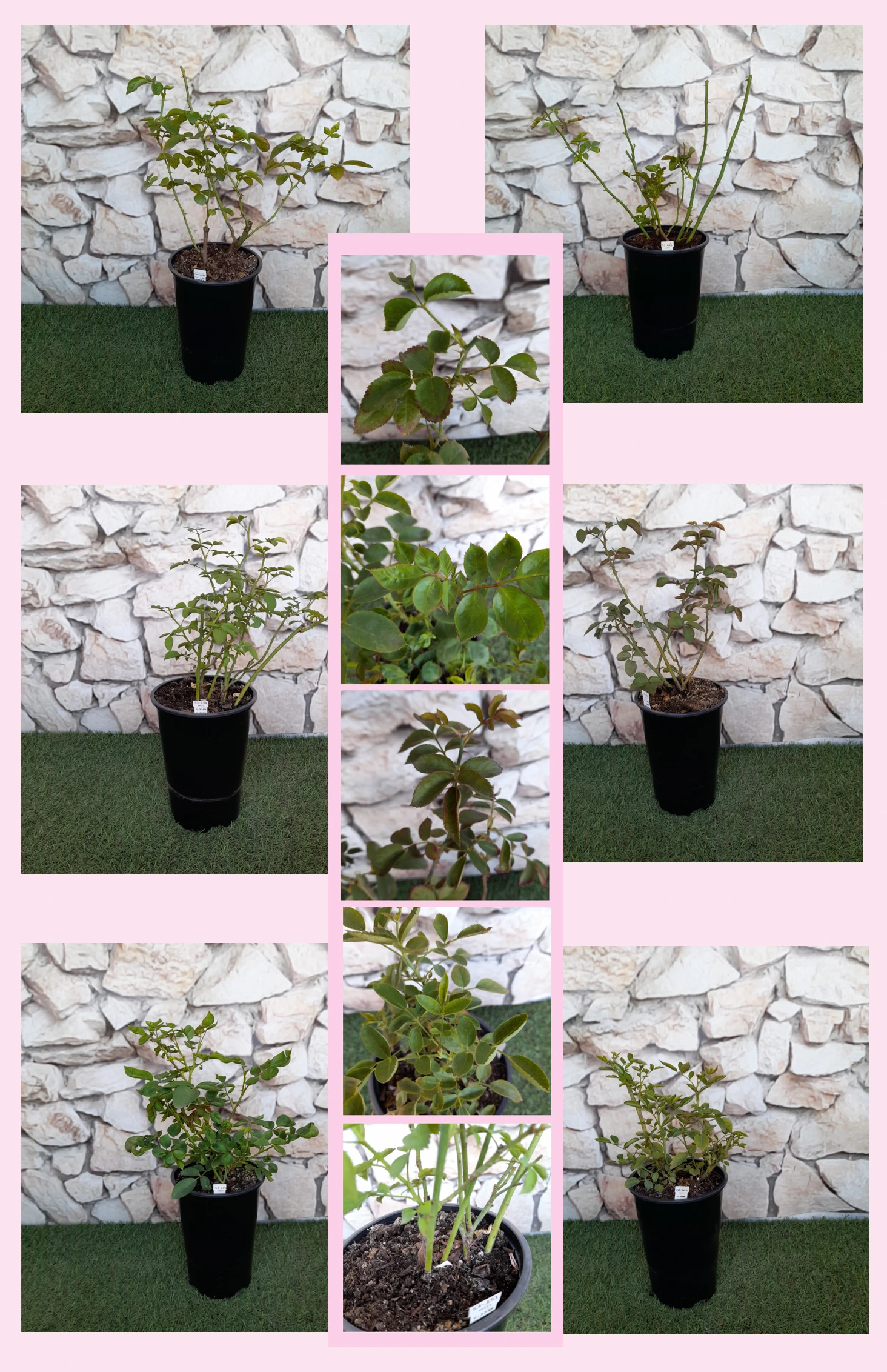
ROYAL VELVET™ – dark red hybrid tea rose - Meilland
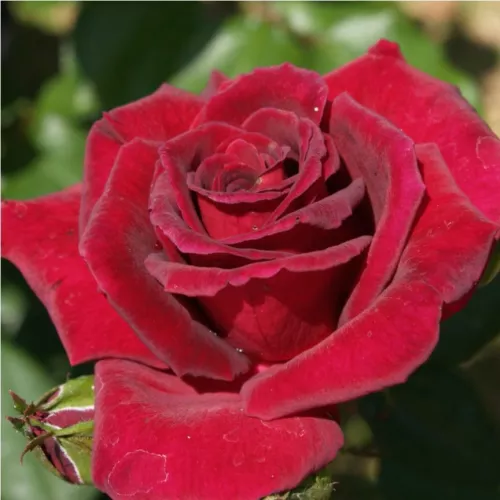
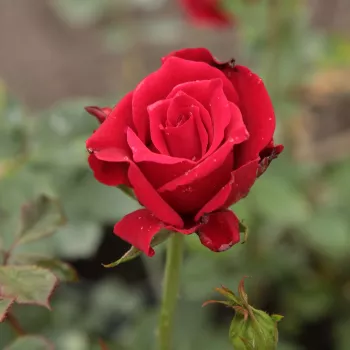
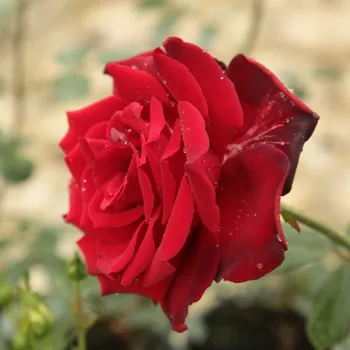
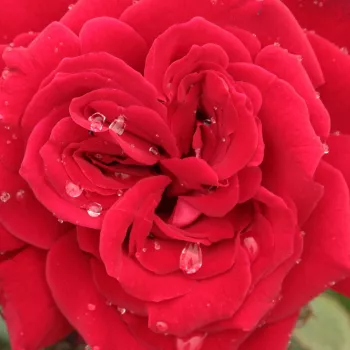
Step out to a London front garden after rain and meet the deep, velvety blooms of ROYAL VELVET™, a tall, upright hybrid tea designed for dramatic impact in compact, sustainable spaces. Its high-centred, exhibition-style flowers open one per stem, ideal for cutting into the house, while the own-root form offers reassuring long-term stability and the ability to regenerate if winter or pruning are less than perfect. In typical British conditions with changeable summers and occasional damp spells, it appreciates consistent watering and thoughtful siting, supporting healthy growth and reliable repeat flowering. Year by year it settles into your planting, with roots establishing first, then stronger shoots, and by the third season its full ornamental presence is revealed. The tall, dense, glossy foliage provides strong structure for a “girly” yet architectural front garden, while the rich burgundy buds open to dark red, subtly fragrant blooms that bring a sense of balance and quiet luxury. Planted in well-prepared soil or a generous 40–50 litre container, it becomes a long-lived feature in a rainwater-conscious urban sanctuary.
Usage options
| Target area |
Reasoning |
| Statement rose for a small front garden |
The tall, upright habit and dense, glossy foliage give strong vertical presence without needing multiple plants, ideal where space is limited but you still want a focal point that matures into a long-lived garden feature for the busy urban homeowner |
| Cutting rose for home arrangements |
Solitary, high-centred blooms on long stems are classic exhibition-type flowers, perfect for vases; regular picking encourages further flowering, rewarding those who enjoy bringing a few well-grown stems indoors for the hobby flower arranger |
| Specimen rose in a 40–50 litre container |
In a large, well-drained pot, it becomes a vertical accent on a terrace or doorstep; own-root growth provides long-term continuity as the framework thickens, ideal where permanent borders are limited for the balcony and patio gardener |
| Centrepiece in a mixed flower bed |
Dark red, velvety blooms draw the eye, while the upright shape lets you weave in softer companions at the base; over seasons the shrub fills out, maintaining ornamental value without frequent replacement for the style-conscious beginner |
| Structured rose-and-perennial combination |
The strong vertical form and consistent repeat flowering give a reliable backbone among perennials such as sage or nepeta, helping maintain a sense of order and balance through the season for the design-focused garden planner |
| Rainwater-aware front garden planting |
Placed in improved, free-draining soil, it copes well with showery British summers and blustery conditions, making good use of roof run-off where drainage is managed, suiting the sustainability-minded city gardener |
| Long-term feature for an evolving family garden |
As an own-root rose, it forms a durable framework that can regenerate from the base and adapt to changing layouts, rewarding patient care over many years in spaces that need stable structure for the family garden owner |
| Showpiece rose for experienced enthusiasts |
Its exhibition-style form and sumptuous dark colour repay attentive pruning, feeding and disease control; with good air circulation and monitoring, it can deliver high-quality blooms season after season for the committed rose connoisseur |
Styling ideas
- Velvet-Pathway – flank a narrow front path with two or three plants, underplanted with lavender and low nepeta for soft edging – for urban homeowners wanting a romantic yet structured entrance
- Burgundy-Border – place as a central accent in a mixed bed with pale pink yarrow and airy baby’s-breath to highlight the dark flowers – for those seeking gentle contrast without overwhelming a small garden
- Doorstep-Drama – grow in a 40–50 litre pot by the front door, with trailing thyme around the rim to soften the container – for flat-dwellers or terrace owners needing vertical colour in limited space
- Evening-Companion – combine with dusky salvias and silver foliage plants so the rich blooms read clearly at dusk – for busy professionals who mainly enjoy their garden after work
- Classic-Cuttings – dedicate a sunny strip as a mini cutting patch, interplanting with low perennials so stems are easy to reach – for hobby florists who like to harvest a few elegant stems regularly
Technical cultivar profile
| Characteristic |
Data |
| Name and registration |
Hybrid tea rose, registered as MEIlotup, marketed as ROYAL VELVET™ hybrid tea rose; exhibition name ROYAL VELVET™, with deep, velvety dark red flowers typical of classic high-centred tea blooms. |
| Origin and breeding |
Bred by Marie-Louise Meilland (Meilland International, France) from (Exciting × Suspense) × Duke of Windsor; registered in 1986, breeding completed in 1958, later introduced internationally via specialist distributors. |
| Growth and structural characteristics |
Tall, upright bush 150–190 cm high and 60–100 cm wide, moderately thorny, with dense, glossy dark green foliage; weak self-cleaning, so spent blooms should be removed to maintain appearance and encourage repeats. |
| Flower morphology |
Large, double, high-centred hybrid tea blooms with 26–39 petals, typically borne singly on stems; classic pointed buds open to formal exhibition-style flowers suitable for cutting, with good stem length for vases. |
| Colour data and phenology |
Closed buds nearly black-red; newly opened flowers rich burgundy; full bloom deep dark red, velvety with slight sheen; colour may lighten modestly in strong sun, staying deeper and richer in cooler conditions. |
| Fragrance and aroma |
Pleasant but mild fragrance with a delicate rose character; not overpowering, making it suitable near seating areas or doorways where a subtle scent is preferred rather than a strong perfumed presence. |
| Hip characteristics |
Occasional ellipsoidal hips, 10–14 mm in diameter, orange-red when ripe; decorative rather than abundant, with limited wildlife value compared with single-flowered, more freely fruiting shrub rose cultivars. |
| Resistance and winter hardiness |
Hardy to approximately −26 to −23 °C (RHS H7, USDA 5b; Swedish zone 4); moderate heat tolerance, dislikes prolonged drought, and is susceptible to rust and common foliar diseases without regular preventive care. |
| Horticultural recommendations |
Best in full sun with fertile, well-drained soil and regular watering; requires considered feeding, pruning, and disease management; spacing 50–90 cm depending on use, with 2.8–3.2 plants/m² for mass planting. |
ROYAL VELVET™ offers tall, structural growth, sumptuous dark red blooms and long-term own-root reliability; consider it if you enjoy tending a dramatic, enduring rose with exhibition-quality flowers.