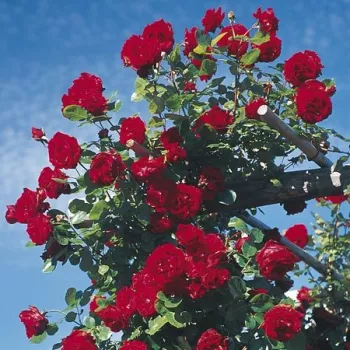
SALAMMBO – dark red climbing rose – Delbard
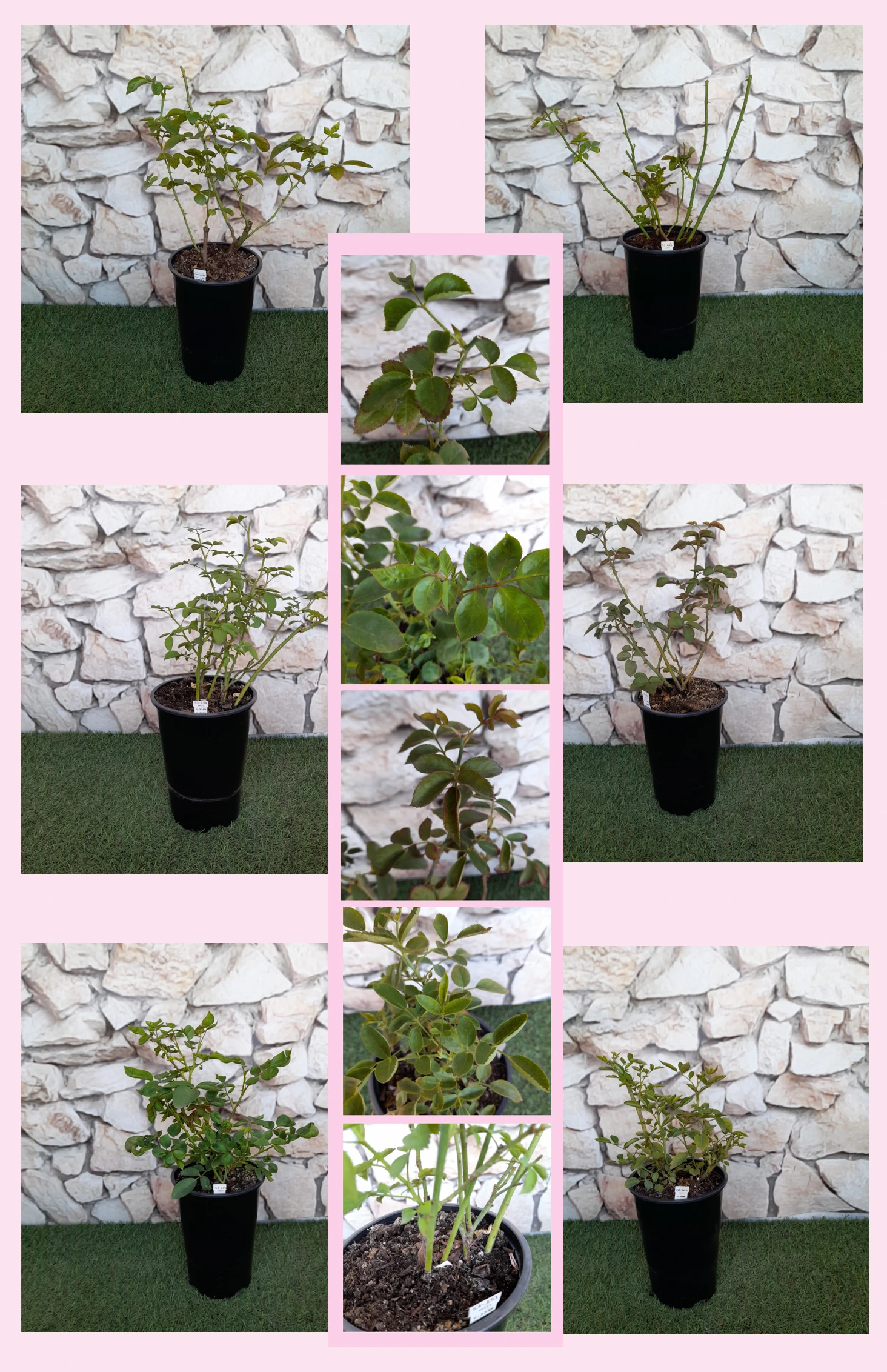
Bring drama and balance to a compact London front garden with SALAMMBO, a velvety deep-red climbing rose bred by Delbard for vertical impact on walls, fences and arches. Its glossy mid-green foliage and rich, matt blooms create a theatrical yet tidy structure, ideal where paving dominates and planting space is precious. Own-root plants establish steadily for a long-lived, low-fuss presence, coping reliably with typical UK conditions, even where cool winds and frequent showers demand good stability and weather tolerance. In a 2-litre container it is straightforward to handle and plant, then gradually extends its flowering curtain higher each season. Expect roots to settle in the first year, shoots to build framework in the second, and full ornamental value in the third for a lasting garden investment.
Usage options
| Target area |
Reasoning |
| Front garden wall or railings |
Ideal for transforming a narrow, hard-paved front garden into a green vertical feature without sacrificing parking or path space; the strong red flowers read clearly from the street, suiting busy urban homeowners seeking quick visual improvement and first-time gardeners. |
| Rose arch over a path |
Medium vigour and 2–3 m height allow SALAMMBO to clothe a modest arch without overwhelming nearby planting, giving a romantic entrance that remains manageable with occasional tying-in and light deadheading, appealing to time-poor gardeners. |
| Pergola in rainwater-conscious gardens |
Trained along a pergola, the dense foliage and repeated flushes help intercept rainfall and slow runoff above permeable gravel or planting below, bringing colour and shelter into sustainable, rainwater-friendly layouts valued by eco-aware households. |
| Clothed fence in family gardens |
Its moderately thorny canes and dense leaf cover form a discreet, flowering backdrop that softens boundaries while discouraging through-traffic, creating a defined, attractive play space appreciated by families with children. |
| Feature climber on a sunny house wall |
Best in full sun, SALAMMBO’s deep red colour holds well without quickly bleaching, so it works particularly well against pale masonry, offering a long-season focal point for colour-conscious homeowners. |
| Container-grown climber on terrace or balcony |
In a large 40–50 litre pot with good drainage, this own-root climber builds a durable framework that can be refreshed by pruning from the base if ever damaged, suiting mobile, space-limited balcony gardeners. |
| Mixed rose and perennial border backdrop |
Used at the back of a border with perennials at its feet, its semi-double, matt-textured blooms give depth and contrast without dominating; combining reliably with purple or white companions, it rewards patient, design-minded garden enthusiasts. |
| Coastal or wind-exposed suburban sites |
Its flexible climbing habit, dense foliage and moderate disease resistance suit typical British mixed-weather gardens where breezes and regular showers are common, making it a sound, resilient choice for cautious long-term planners. |
Styling ideas
- Velvet-Drama Arch – Train SALAMMBO over a compact metal arch, underplant with lavender and nepeta to soften the base and echo the rich red blooms – ideal for romantic front gardens.
- Urban-Gothic Screen – Cover a pale rendered wall with its dark flowers and glossy foliage, adding white candytuft at ground level for contrast – good for small, stylish city plots.
- Rainwise-Pergola Walk – Run SALAMMBO along a slim pergola above gravel and drought-tolerant herbs, guiding rain off the hardstanding into planted strips – suited to sustainable, low-lawn designs.
- Balcony-Saloon – Grow in a 50-litre container with airy supports, surrounding the base with trailing lobelia for seasonal colour and softness – perfect for renters wanting reversible planting.
- Ruby-Focus Fence – Repeat-plant along a shared boundary, infilling gaps with low grasses and liatris ‘Kobold’ for a glowing, textural screen – for neighbours co-ordinating a unified look.
Technical cultivar profile
| Parameter |
Data |
| Name and registration |
Climbing rose group; large-flowered climber. Registered as DELperl, marketed as Salammbo Climbing rose DELperl; ARS exhibition name Salammbo. Name recalls Flaubert’s priestess Salammbô. |
| Origin and breeding |
Bred by Georges Delbard, France, 1990, introduced 1994. Parentage: ‘Messire Delbard’ × (‘Rouge Meilland’ × ‘Soraya’). Developed and first distributed by Delbard; Georges Delbard SA. |
| Growth and structural characteristics |
Climbing habit, 2.0–3.2 m high, 1.2–2.0 m spread. Dense, mid-green, glossy foliage, medium thorniness. Needs support and tying-in; medium self-cleaning, some deadheading recommended. |
| Flower morphology |
Semi-double, cup-shaped blooms, 13–25 petals, borne mostly solitary, medium size (approx. 4–7 cm). Remontant with a lighter second flush; very weak fragrance, mainly visual ornamental value. |
| Colour data and phenology |
Velvety dark red with slight purple tone, ARS DR; RHS 60A outer, 59A inner. Buds nearly black-red, opening vivid blood-red, deepening to ruby and then fading only slightly in strong sun. |
| Fragrance and aroma |
Fragrance strength very weak, often barely perceptible in normal garden conditions. Primarily chosen for colour and form rather than scent; not suited where strong perfume is a key requirement. |
| Hip characteristics |
Hip set generally sparse due to semi-double form. When present, ellipsoid hips 10–14 mm, dark red (RHS 40A). Ornamental impact from hips is minor compared with the flowers and foliage. |
| Resistance and winter hardiness |
Moderate resistance to powdery mildew, black spot and rust; occasional plant protection may be needed. Hardy to about –21 to –18 °C, RHS H7, Swedish zone 3, USDA zone 6b in suitable sites. |
| Horticultural recommendations |
Best on sunny walls, arches, fences or pergolas. Prefers fertile, well-drained soil; avoid waterlogging on heavy clay by improving drainage. Space 1.4–2.5 m. Suits own-root planting for longevity. |
SALAMMBO – dark red climbing rose - Delbard offers enduring vertical colour, reliable structure and flexible training potential in a resilient own-root form; an inspired option if you seek a long-lived, dramatic accent.