Sandringham Centenary™ hybrid tea rose
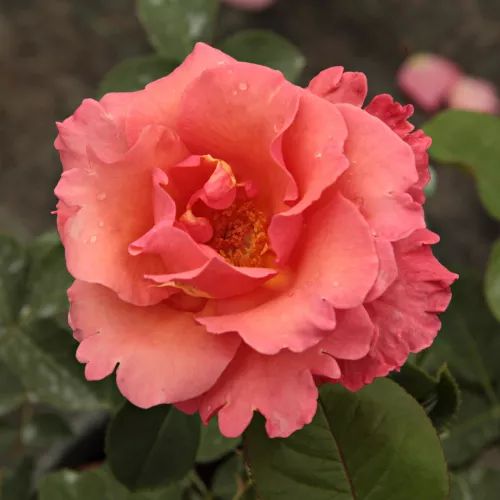
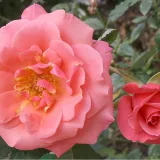
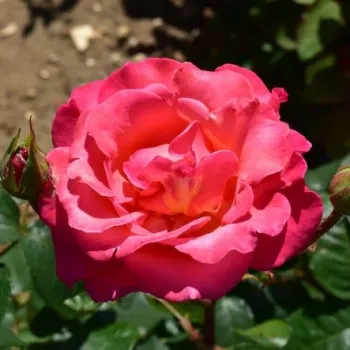
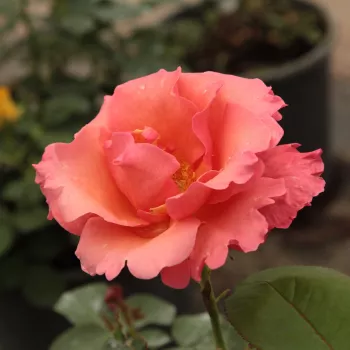
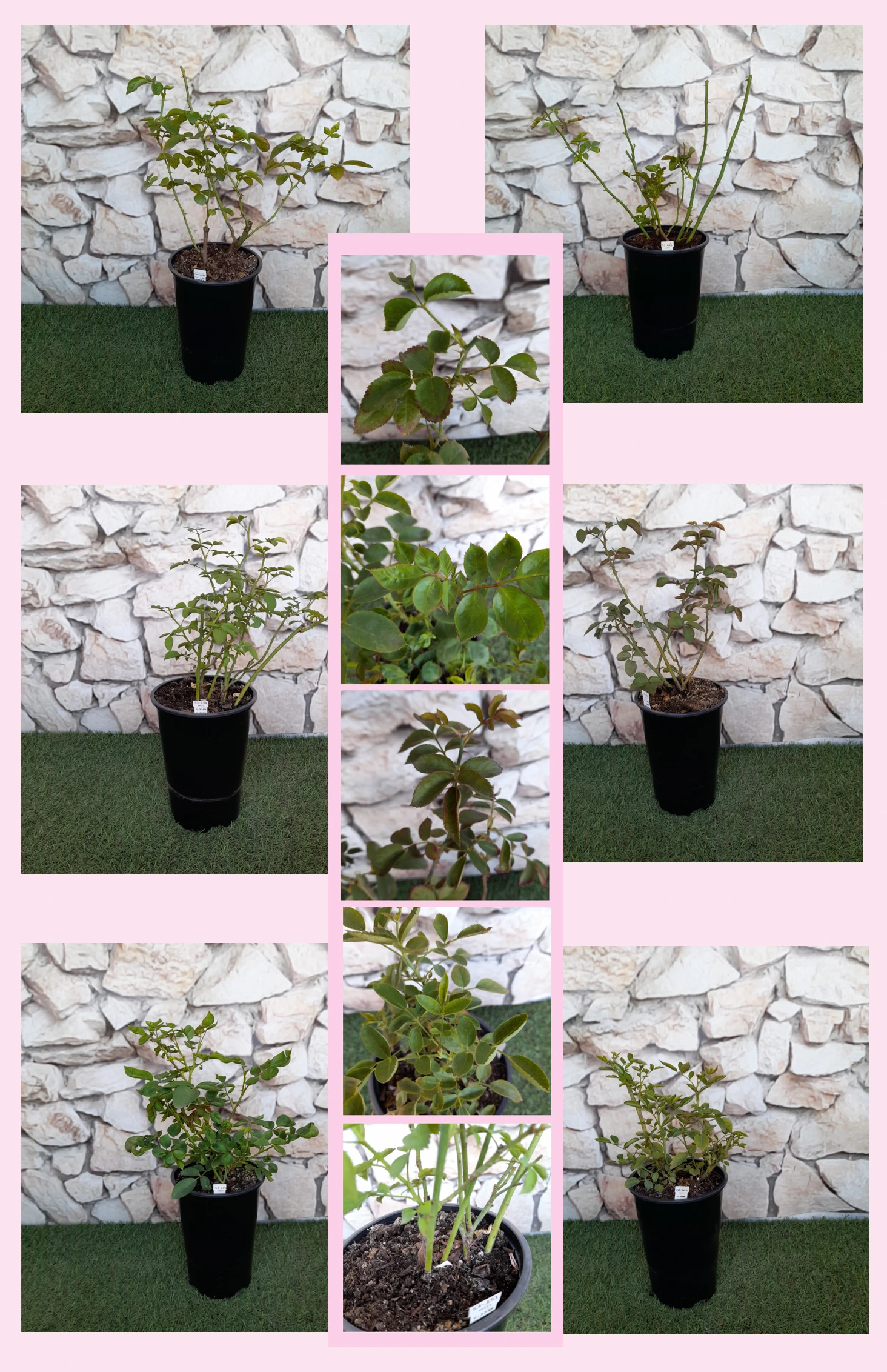
Step through your front gate and be greeted by the warm, orange‑pink glow of Sandringham Centenary™, a classic hybrid tea rose shaped for small London front gardens and compact borders. Its elegant, solitary blooms carry a mild, traditional rose scent that lingers after rain, while glossy dark foliage helps the plant look composed through unsettled weather. This own‑root form is bred for reliable structure and a long garden lifespan, quietly rebuilding from the base if a stem is damaged and settling safely even in heavier soils with improved drainage. In its first year it focuses on roots, the second on strong shoots, and by the third it reveals its full ornamental character. With moderate disease tolerance, it suits busy gardeners who value calm, repeat flowering over constant tasks, fitting naturally into rain‑aware planting with permeable surfaces and companion perennials. Its measured height and upright habit give proportion to narrow paths, while the timeless bloom form feels reassuringly classic beside railings, steps and low hedging, creating a quietly formal yet inviting front‑garden entrance.
Usage options
| Target area |
Reasoning |
| Front garden focal point |
The upright, bushy habit to around 100–140 cm makes Sandringham Centenary™ ideal as a single statement rose by a front door, gate or bay window, giving year‑after‑year structure from a durable own‑root plant for the style‑conscious urban homeowner buyer |
| Mixed border with perennials |
Large, double, orange‑pink blooms repeat through the season, adding consistent height and colour among perennials such as lavender, nepeta or sage, with the own‑root system supporting long‑term impact for relaxed family borders gardener |
| Small courtyard or patio bed |
Its compact spread of 60–90 cm fits narrow beds and town courtyards, where the glossy dark foliage and refined hybrid tea flowers deliver a neat yet soft look with only moderate maintenance for busy city householders owners |
| Cutting and exhibition row |
Solitary, high‑centred, cup‑shaped flowers on strong stems are suitable for cutting, vase work and exhibition, while the stable own‑root framework keeps plants productive and uniform for amateur exhibitors and home florists enthusiasts |
| Rain‑aware front garden redesign |
The bushy, upright form works well with permeable gravel, brick or planting pockets that slow and absorb rainwater, supporting a more resilient, rain‑tolerant layout in changeable British conditions for environmentally aware gardeners planners |
| Clay or chalky suburban soil beds |
Once planted with added organic matter to improve drainage, the robust own‑root system knits reliably into heavier or chalk‑leaning soils, rewarding simple care with steady growth for typical UK family plots householders |
| Hedge or repeated planting line |
Recommended spacings of 55–65 cm allow a low, formal rose line along paths or front boundaries; own‑root planting helps each shrub stay even in height and recover if pruned harder by less experienced home gardeners beginners |
| Large container on terrace or balcony |
In a 40–50 litre or larger pot with peat‑free compost, its moderate size and upright framework give a classic rose presence on terraces and balconies, while own‑root resilience offers long‑term value for space‑limited city dwellers balconists |
Styling ideas
- Regency – Pair Sandringham Centenary™ with clipped box or low yew and a traditional iron railing for a quietly formal front step that still feels welcoming – ideal for period terraced homeowners
- Sunset – Combine with lavender and blue nepeta to echo its orange‑pink tones, creating a soft, late‑evening glow along a path – perfect for busy professionals enjoying the garden after work
- Cottage – Underplant with airy grasses and soft geraniums to relax the classic hybrid tea shape into a looser cottage border – suited to family gardens wanting charm without complexity
- Court – In a square courtyard, repeat three to five plants in large pots with clay pavers and a small bistro set for a simple, symmetrical city retreat – attractive for renters and balcony container gardeners
- Heritage – Echo the royal estate namesake by mixing with white foxgloves and pale hostas for a restrained, dignified palette – appealing to those who enjoy a quietly traditional, commemorative planting
Technical cultivar profile
| Feature |
Data |
| Name and registration |
Sandringham Centenary™ is a hybrid tea rose; registered and exhibited under the same name, classified for garden and cut‑flower use in the Hybrid Tea group. |
| Origin and breeding |
Bred by Wisbech Plant Co. Ltd. in the United Kingdom from ‘Queen Elizabeth’ × ‘Baccará’, introduced and registered in 1981 by the same company for general garden planting. |
| Growth and structural characteristics |
Forms an upright, bushy shrub around 100–140 cm tall and 60–90 cm wide, with moderately dense, glossy dark green foliage and moderate prickliness on reasonably sturdy, well‑branched shoots. |
| Flower morphology |
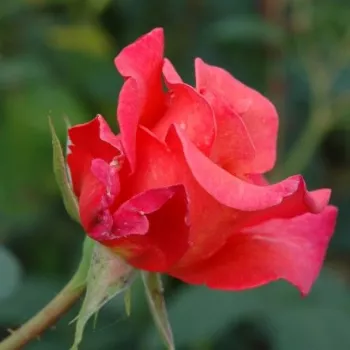
Large, double flowers with roughly 26–39 petals are usually borne singly on stems; blooms are cup‑shaped with slightly ruffled edges, remontant with a generous second flush in suitable conditions. |
| Colour data and phenology |
Displays warm orange‑pink with a subtle salmon hue, coded RHS 31B outer and 31A inner; colour softens from deep salmon‑orange to pink‑peach, eventually developing a light, creamy cast on ageing petals. |
| Fragrance and aroma |
Fragrance is mild with a classic rose‑like character; scent is noticeable at close range but not overpowering, adding a gentle touch suitable for paths, entrances and small sitting areas near the house. |
| Hip characteristics |
Produces small, bright red, spherical hips around 8–12 mm across, generally in modest quantities, adding a discreet seasonal accent without detracting from the primary ornamental role of the flowers. |
| Resistance and winter hardiness |
Rated RHS H7 and hardy to approximately −21 to −18 °C (USDA 6b, Sweden zone 3); disease resistance is moderate to black spot, mildew and rust, benefiting from basic preventive care in humid seasons. |
| Horticultural recommendations |
Best in full sun with fertile, well‑drained soil; plant 55–95 cm apart depending on use, water deeply in dry spells, and prune annually to maintain flowering stems and a balanced shrub framework. |
Sandringham Centenary™ offers long‑lived, own‑root reliability, classic orange‑pink hybrid tea blooms and a neat, upright habit, making it a thoughtful choice for low‑fuss, enduring structure in a family garden or urban front plot.