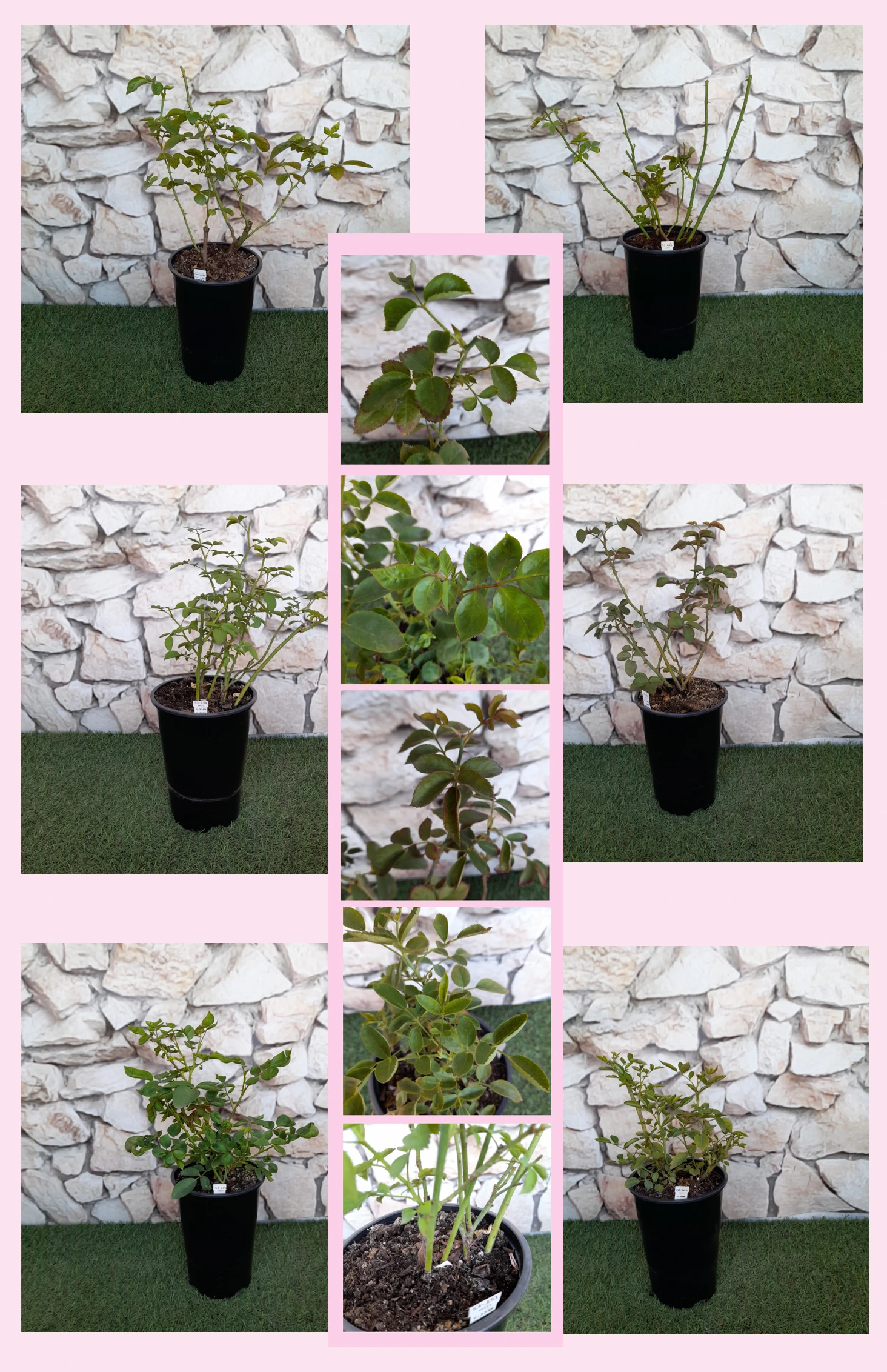
ROSA PIMPINELLIFOLIA SINGLE CHERRY – dark red landscape shrub rose
Step through your front gate after the rain and be greeted by velvety single blooms of deep cherry red, glistening above dense, mid‑green foliage that shrugs off wind and weather in typical British conditions, including heavy clay and brisk coastal breezes. Rosa pimpinellifolia Single Cherry combines a richly spicy wild‑rose scent with a once‑a‑year firework display of large, single flowers that draw in bees and other pollinators with their open, golden stamens. As the petals fall cleanly, they give way to small, black hips that feed garden birds and extend the season’s interest. This own‑root shrub settles in reliably, building strong underground growth before it pours its energy into arching shoots and abundant flowering, so you can enjoy a clear rhythm of roots, then structure, then full ornamental impact. With minimal pruning, good drought and cold tolerance, and a naturally bushy habit, it offers a quietly sustainable choice for relaxed, wildlife‑friendly gardens.
Usage options
| Target area |
Reasoning |
| Low‑maintenance front garden feature shrub |
The bushy, self‑cleaning habit and once‑a‑season flowering means there is little to tidy, while the dense foliage and dark red blooms provide a strong focal point in a small London terrace front garden with limited time for upkeep, ideal for the busy urban gardener. |
| Pollinator‑friendly “bee strip” along paths |
Large, single flowers with exposed stamens provide easy access to pollen and nectar, and its RHS Plants for Pollinators listing underlines its reliability for bees, making it a natural backbone for simple wildlife corridors beside paths for the nature‑conscious beginner. |
| Relaxed, informal hedge or boundary |
Planted at around 90 cm intervals, this densely thorned, bushy shrub forms a soft, informal hedge that offers privacy, nesting sites and bird food from its black hips, suiting family gardens that want both beauty and habitat for the wildlife‑friendly homeowner. |
| Water‑wise planting in drier spots |
Good heat and drought tolerance, together with the ability to cope with poorer, free‑draining soils, supports more sustainable watering habits and suits water‑wise designs, particularly where you rely on saved rainwater and aim to future‑proof beds for the eco‑aware gardener. |
| Clay or chalky soil family gardens |
Its tolerance of a wide range of soils, including heavier clays and lime‑rich ground, means fewer soil‑improvement tasks and more predictable establishment, reducing the risk of failure in typical UK suburban plots for the practical home gardener. |
| Bird‑ and wildlife‑supporting planting |
After flowering, the shrub quickly clothes itself in decorative black hips that persist into winter and provide useful food for birds, while the dense, thorny structure offers cover, making it an easy way to add habitat for the wildlife‑minded family. |
| Part‑shade borders beside buildings |
Suitability for partial shade allows planting near north‑east facing walls and between taller shrubs, so you can carry colour and scent around the house without demanding full sun, helpful where space and aspect are constrained for the small‑garden owner. |
| Large container for paved or balcony spaces |
In a 40–50 litre peat‑free container, its dense growth, spicy fragrance and single flush of abundant flowers offer a seasonal spectacle on patios or shared front steps, while own‑root resilience supports long‑term container life for the space‑limited city gardener. |
Styling ideas
- Wildhedge – Create an informal hedge mixed with hawthorn and field maple, letting Single Cherry’s black hips and thorny branches add wildlife shelter – ideal for families turning a boundary into a nature corridor.
- TerraceGlow – In a generous container, underplant with trailing thyme and low sedums so the dark red flowers and black hips rise above a drought‑tolerant carpet – suited to busy Londoners with paved front gardens.
- BeeRibbon – Run a loose line of plants along a path with clumps of Nepeta and lavender so pollinators can move easily between nectar stations – perfect for beginners wanting a simple, high‑impact bee route.
- CherryDrift – Use groups on a slight slope or raised bed where petals can fall naturally among ornamental grasses, embracing self‑cleaning flowers and minimal pruning – good for those favouring a soft, naturalistic look.
- HipSeason – Combine with late‑flowering perennials like scabious and Crocosmia ‘Lucifer’ so the hips glow against lingering blooms and seedheads – appealing to gardeners who value long seasonal interest over formality.
Technical cultivar profile
| Parameter |
Data |
| Name and registration |
Collection: Botanical rose; commercial landscape shrub rose; current trade name Rosa pimpinellifolia Single Cherry; ARS exhibition name Neptune™; unregistered historical variety with verified authenticity. |
| Origin and breeding |
Historic shrub rose in the Pimpinellifolia group, introduced around 1820; breeder and parentage unknown; long‑proven in European gardens as a tough, adaptable landscape shrub. |
| Growth and structural characteristics |
Bushy, dense shrub with mid‑green, slightly grey‑tinged foliage and many thorns; forms a robust framework suitable for hedging or specimen use; self‑cleaning flowers with decorative hips following bloom. |
| Flower morphology |
Large, single to semi‑single cup‑shaped flowers, typically 5–12 petals, borne in clusters; non‑remontant, flowering once per season with a generous main flush that covers the bush in early summer. |
| Colour data and phenology |
Deep crimson‑pink to cherry‑red blooms with velvety texture; ARS code DR, RHS 53A outer and 60A inner; yellow stamens form a vivid eye; colour softens slightly to deep mauve‑pink as flowers age. |
| Fragrance and aroma |
Medium‑strength scent with a rich, spicy wild‑rose character overlaying a classic rosy aroma; fragrance is evident on still, humid days and noticeable when passing or cutting several stems. |
| Hip characteristics |
Abundant small, spherical black hips, about 10–15 mm, forming soon after flowering; high ornamental value into winter and a useful food source for birds in wildlife‑friendly plantings. |
| Resistance and winter hardiness |
Very hardy to about −37 to −32 °C (RHS H7, USDA 3a, Swedish zone 6); generally healthy with resistance to mildew, black spot and rust; tolerates full sun, dry soils and colder coastal conditions. |
| Horticultural recommendations |
Suited to specimen, groups, hedging, groundcover and habitat plantings; also for large containers and seasonal cutting; low maintenance, needing only light pruning and periodic watering in extended droughts. |
Rosa pimpinellifolia Single Cherry offers wildlife‑friendly flowers, decorative winter hips and resilient, own‑root longevity, making it a thoughtful choice for sustainable family gardens and small urban spaces alike.