SASAD – pink hybrid tea rose – Márk
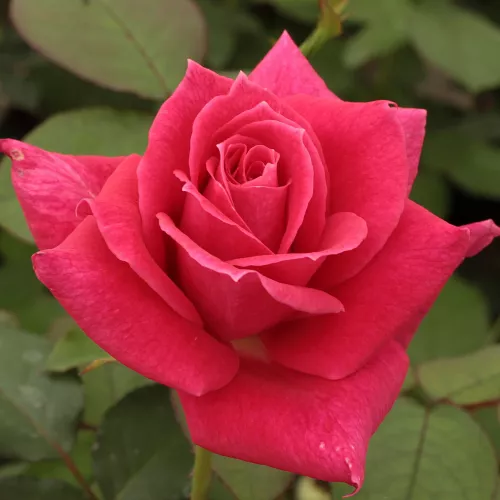
Step outside after the rain and this elegant Hungarian hybrid tea greets you with fragrance, balanced form and clear mid‑pink blooms that sit beautifully in a compact, upright shrub. SASAD is bred for reliable health in typical British gardens, coping well with cool summers and frequent showers in coastal or breezy sites, so you can enjoy its flowers without fretting over fungal problems. Own‑root plants build strength steadily, giving a long‑lived, stable rose that shrugs off everyday mishaps. Plant once, then enjoy year‑on‑year colour, a steady supply of cut stems for the house and a refined tea‑fruit aroma on your front path. In the first year it concentrates on roots, the second on woody shoots, and by the third it settles into its full ornamental impact in your rain‑savvy, sustainable garden.
Usage options
| Target area | Reasoning |
|---|
| Front garden specimen by the path |
Planted as a single specimen, SASAD’s upright, bushy habit and mid‑pink, cupped blooms create a clear focal point in the small space of a London terrace front garden, with low maintenance needs ideal for a beginner. |
| Mixed rose and perennial border |
Set at 80–100 cm from other shrubs, its repeat flowering and healthy foliage slot neatly into a mixed border with lavender, nepeta or lady’s mantle, giving season‑long structure suitable for a family. |
| Rainwater‑friendly urban planting strip |
In a narrow, permeable strip along the pavement, SASAD works with gravel mulch and deep soil preparation to help direct heavy downpours into the ground rather than the drain, supporting a more sustainable city‑dweller. |
| Cutting corner for home bouquets |
The large, solitary, long‑stemmed hybrid tea blooms are ideal for cutting; regular picking encourages fresh flowers while the own‑root plant regenerates well over many seasons, suiting the occasional home florist. |
| Small hedge or repeated rhythm planting |
Planted 50–60 cm apart, SASAD forms a low, airy line of pink flowers and mid‑green foliage, giving gentle structure along a path or drive with far less clipping than a traditional hedge, perfect for a busy homeowner. |
| Large container on balcony or patio |
In a 40–50 litre peat‑free container with regular watering from a water butt, the compact, upright shrub performs reliably, bringing classic rose blooms within arm’s reach of a balcony or paved patio, pleasing the space‑conscious gardener. |
| Feature in heavy clay or chalk soils |
With good planting preparation and drainage, this own‑root rose establishes steadily even in typical clay or chalky gardens, its strong root system supporting long‑term health for the practical, sustainability‑minded buyer. |
| Low‑input family flower bed |
Repeat flowering with good resistance to common rose diseases allows minimal spraying and simple deadheading, giving reliable colour from an early age with little specialist knowledge, reassuring the time‑pressed parent. |
Styling ideas
- Terrace Welcome – Line a short front path with SASAD and soft lady’s mantle for a “girly” pink‑and‑lime froth that stays tidy and inviting – ideal for first‑time terrace owners.
- Lavender Fringe – Pair SASAD with low mounds of lavender or nepeta to echo its pink tones with cool blues and silvers – suited to those seeking a classic, low‑effort look.
- Cutting Nook – Group three plants in a sunny corner with tall grasses behind to create a simple cutting patch – perfect for home decorators who like fresh vases.
- Rainwise Strip – Combine SASAD with gravel mulch and drought‑tolerant perennials in a front‑of‑house strip to slow and absorb rainwater – good for eco‑minded urban gardeners.
- Balcony Focus – Plant a single SASAD in a large container with trailing thyme at the rim for scent and softness – made for balcony or patio users wanting one high‑impact rose.
Technical cultivar profile
| Parameter | Data |
|---|
| Name and registration |
SASAD is a hybrid tea rose from the Márk collection; trade name “Sasad Hybrid tea rose Márk”, classified as a hybrid tea rose for garden and exhibition use. |
| Origin and breeding |
Bred by Márk Gergely at the Budapesti Kertészeti Kutató Intézet, Hungary, around 1967; introduced to the market by PharmaRosa® Ltd., with exact registration dates not recorded. |
| Growth and structural characteristics |
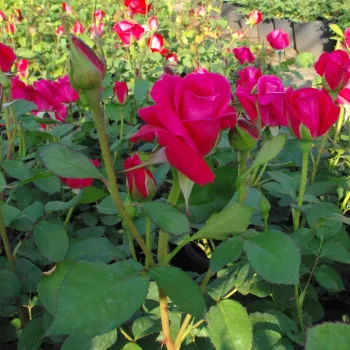
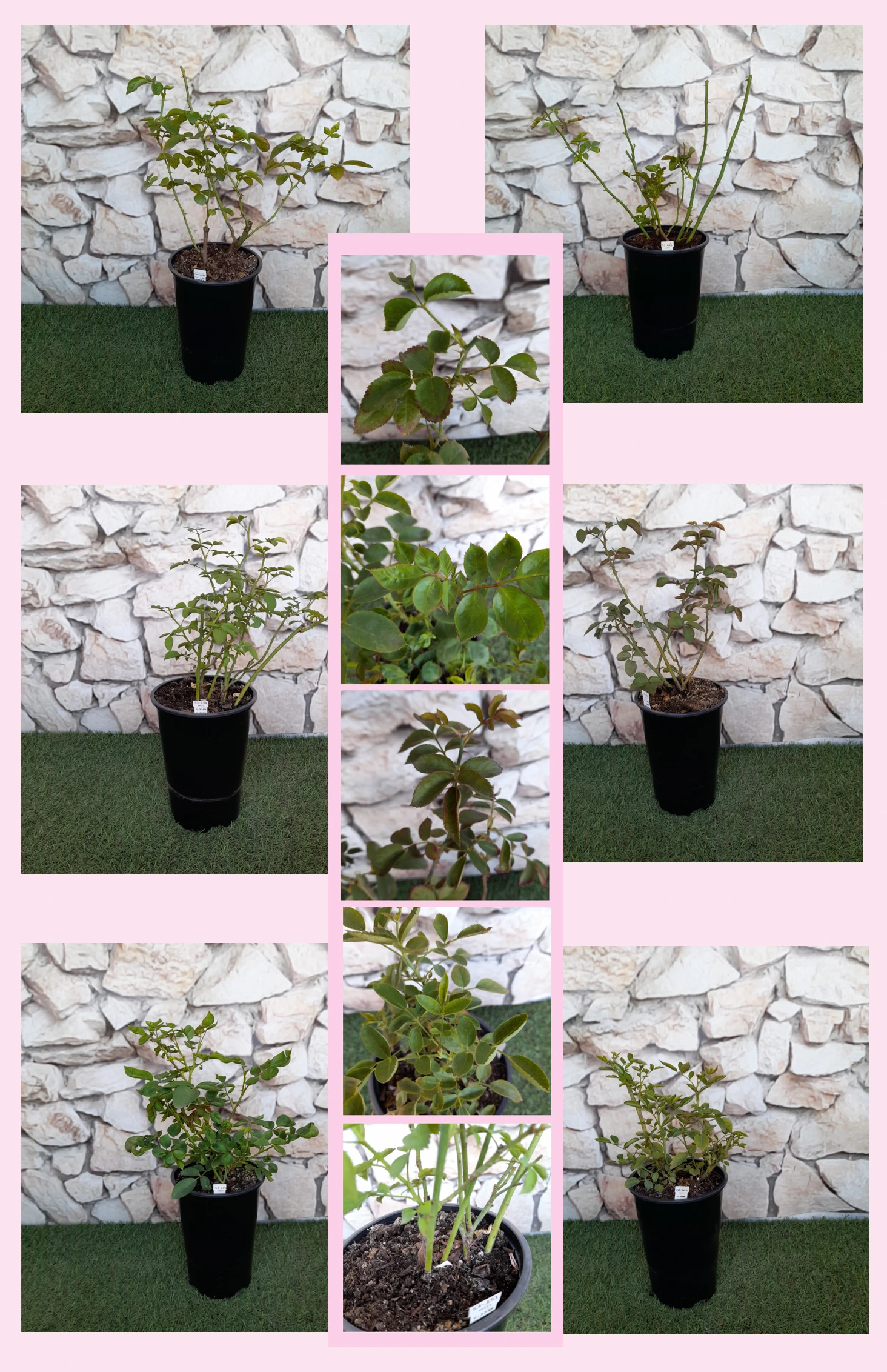
Upright, bushy shrub typically 80–110 cm tall and 50–70 cm wide, with moderately dense, mid‑green, slightly glossy foliage and a moderate number of thorns on the stems. |
| Flower morphology |
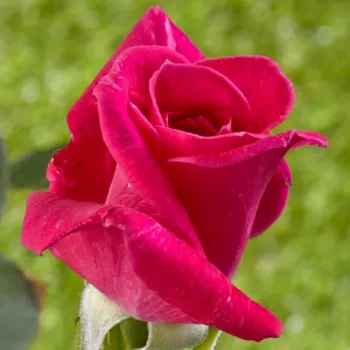
Large, double, cupped blooms with 26–39 petals, usually borne singly on stems; classic hybrid tea exhibition form with a pronounced, medium‑height bloom and abundant repeat flowering through the season. |
| Colour data and phenology |
Even mid‑pink with warm, peachy undertones; ARS mp, RHS 62C–62D; buds open bright pink with pearlescent sheen, then pale to light pink with a soft cream tint before petal drop. |
| Fragrance and aroma |
Moderately strong, clearly perceptible fragrance with a pleasant tea‑fruity character, noticeable on warm, still days and suitable for enjoying both outdoors and on cut stems indoors. |
| Hip characteristics |
Produces hips in moderate quantities; ellipsoidal, around 12–16 mm in diameter, colouring to an attractive orange‑red that can add seasonal interest in late summer and autumn. |
| Resistance and winter hardiness |
Good resistance reported to powdery mildew, black spot and rust under normal garden conditions; winter hardy to around −21 to −18 °C, corresponding to RHS H7 and USDA zone 6b. |
| Horticultural recommendations |
Best in full sun with fertile, well‑drained soil; plant 50–100 cm apart depending on use, keep deadheaded for repeat flushes, and use as specimen, low hedge or for quality cut flowers. |
SASAD – pink tea hybrid rose - Márk offers reliable repeat flowering, good disease resistance and elegant cut blooms in a long‑lived own‑root form that will reward thoughtful gardeners for many seasons; consider it as a calm, enduring highlight.