SEBASTIAN KNEIPP® – white hybrid tea rose
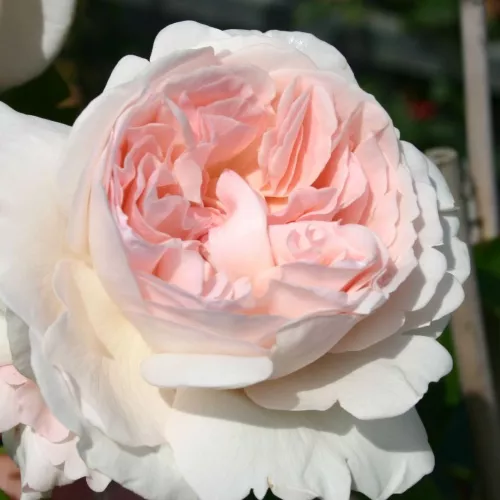
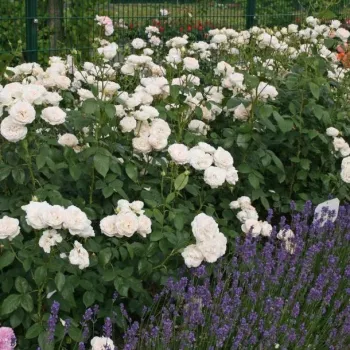
With its creamy‑white, pearly‑pink blooms and dignified, upright habit, SEBASTIAN KNEIPP® brings a calm, ordered structure to compact London front gardens and shared family spaces. Bred by Kordes for reliable health, it shrugs off common fungal problems in wetter summers, suiting gardens where wind and showers meet heavy clay and chalky soils. The strong, long‑lasting myrrh fragrance creates a serene, spa‑like note by the front path or beneath a window you like to keep ajar. As an own‑root rose, it offers reassuring longevity: if stems are ever damaged, it regenerates from its own base rather than unreliable grafts. In a roomy 40–50 litre container or a narrow bed, you simply plant once and let it form dark green foliage and repeat flowering pillars that become a stable feature of the garden scene over the years.
Usage options
| Target area | Reasoning |
|---|
| Front garden focal point |
The tall, upright framework and large, very full blooms give clear vertical emphasis in a small front garden, creating a calm, formal welcome with minimal shaping work across the seasons for the busy urban homeowner gardener |
| Low‑maintenance mixed border |
Strong disease resistance and low maintenance needs mean you can underplant with lavender or nepeta, leaving the rose to contribute height, fragrance and reliable flowering without frequent spraying or complex pruning for time‑pressed beginners owner |
| Cut‑flower and exhibition row |
The long, straight stems, large rosette flowers and strong scent suit cutting for the house or amateur showing, while own‑root robustness keeps plants productive for many seasons without replanting for the enthusiastic home exhibitor collector |
| Formal hedge or boundary line |
Planted at hedge spacing, the dense, dark foliage and regular height create a structured, semi‑formal screen, softening paths and driveways while needing only light annual trimming, not intensive clipping, for family‑garden users household |
| Rain‑aware city planting |
The sturdy, upright growth stands up well to frequent showers and breezy sites, working with permeable, mulched beds that slow and absorb rainwater rather than run it into drains, ideal for sustainability‑minded front‑garden planners neighbour |
| Part‑shade side return |
Tolerance of partial shade lets you use narrow side returns or east‑facing strips, where many roses sulk, to carry scented, pale blooms that lighten darker passages without needing high light levels for design‑conscious terrace dwellers resident |
| Large container on balcony or patio |
In a 40–50 litre peat‑free container, the compact footprint and upright habit give height and perfume without overwhelming limited floor space, while own‑root resilience keeps the plant long‑lived despite pot culture for urban balcony users balcony‑owner |
| Long‑term family garden feature |
Once established, the rose settles into a stable framework that repeats flower generously each year, so you plant once and enjoy an enduring, scented presence that matures gracefully alongside the household for long‑range planners families |
Styling ideas
- SERENE APPROACH – Pair a single specimen with low nepeta and gravel for a calm, fragrant path edge – ideal for busy professionals wanting an elegant, low‑input front garden
- WHITE HEDGE – Plant a staggered row along a low fence, interwoven with lavender, to create a structured, scented boundary – suited to families seeking order without high maintenance
- BALCONY COLUMN – Grow one plant in a tall 50‑litre pot with trailing thyme or sage for underplanting – perfect for flat dwellers needing vertical interest in limited space
- PATIO CUTTING BAY – Group three roses with simple companion perennials for a dedicated cutting and seating corner – for home florists who want steady stems without complex care
- QUIET COURTYARD – Use two matching specimens flanking a bench, underplanted with shade‑tolerant hostas, to form a tranquil, scented retreat – suitable for small‑garden owners valuing lasting structure
Technical cultivar profile
| Property | Data |
|---|
| Name and registration |
Hybrid tea rose, registered as KORpastato, marketed as Sebastian Kneipp® hybrid tea rose; ARS exhibition name Sebastian Kneipp, commercial type and group both hybrid tea rose. |
| Origin and breeding |
Bred by Tim‑Hermann, Wilhelm and Margarita Kordes at W. Kordes’ Söhne, Germany; introduced 1997 by W. Kordes & Sons, with EU registration application filed 12 June 1997. |
| Awards and recognition |
Decorative and garden value recognised by third prize at Geneva 1999, silver medal at Kortrijk 1999 and bronze medal at Magdeburg 1999 in international rose competitions. |
| Growth and structural characteristics |
Upright shrub reaching about 120–160 cm high and 85–115 cm wide, densely thorned with dark green, slightly glossy foliage, forming a well‑filled vertical presence in beds and borders. |
| Flower morphology |
Large, very full, rosette‑shaped blooms with more than 40 petals, produced mainly in clusters, remontant with a generous second flush; flowers typically measure between 2.75 and 3.95 inches across. |
| Colour data and phenology |
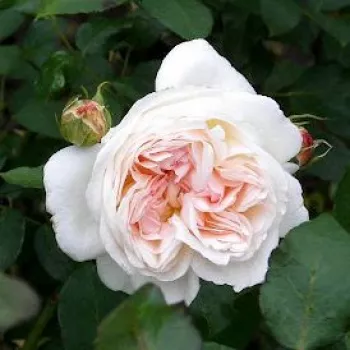
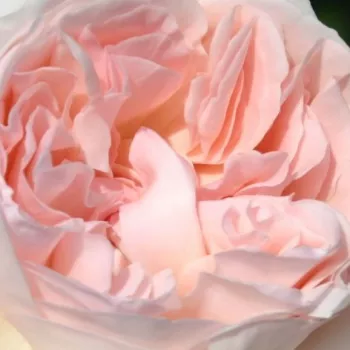
Creamy‑white blooms with a subtle pearly‑pink centre flush; buds ivory with buttery tones, ageing to almost pure white as the inner pink tinge fades, outer petals holding their fresh white appearance. |
| Fragrance and aroma |
Distinct, strong and long‑lasting fragrance with a myrrh character, giving a refined, cosmetic‑style scent profile that is noticeable both in the garden and when used as a cut flower indoors. |
| Hip characteristics |
Due to the very double flower form, hips form only occasionally; where present they are small, spherical, red fruits around 6–10 mm in diameter, adding limited but subtle seasonal interest. |
| Resistance and winter hardiness |
Rated resistant to powdery mildew, black spot and rust; hardy to about −21 to −18 °C (RHS H7, USDA 6b, Swedish zone 3), with moderate tolerance of heat and drought requiring regular watering. |
| Horticultural recommendations |
Suited to beds, specimen planting, hedges, parks and cutting; plant 60–110 cm apart depending on use, at about 2–2.3 plants/m², and keep watered in dry spells, especially on lighter soils. |
SEBASTIAN KNEIPP® offers upright structure, strong fragrance and dependable health in a long‑lived own‑root form that rewards a single, thoughtful planting with many seasons of refined garden presence; a considered choice for enduring spaces.